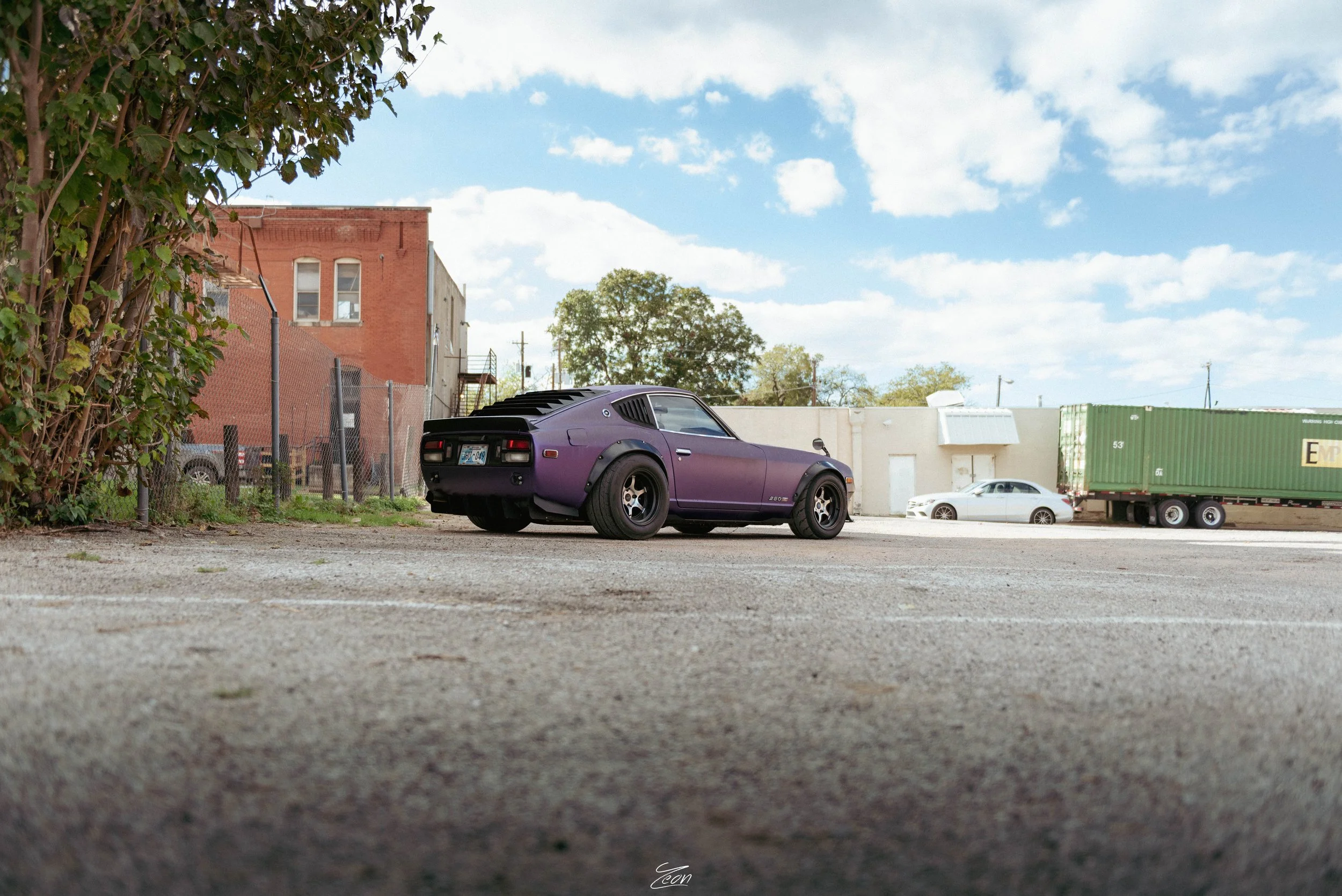
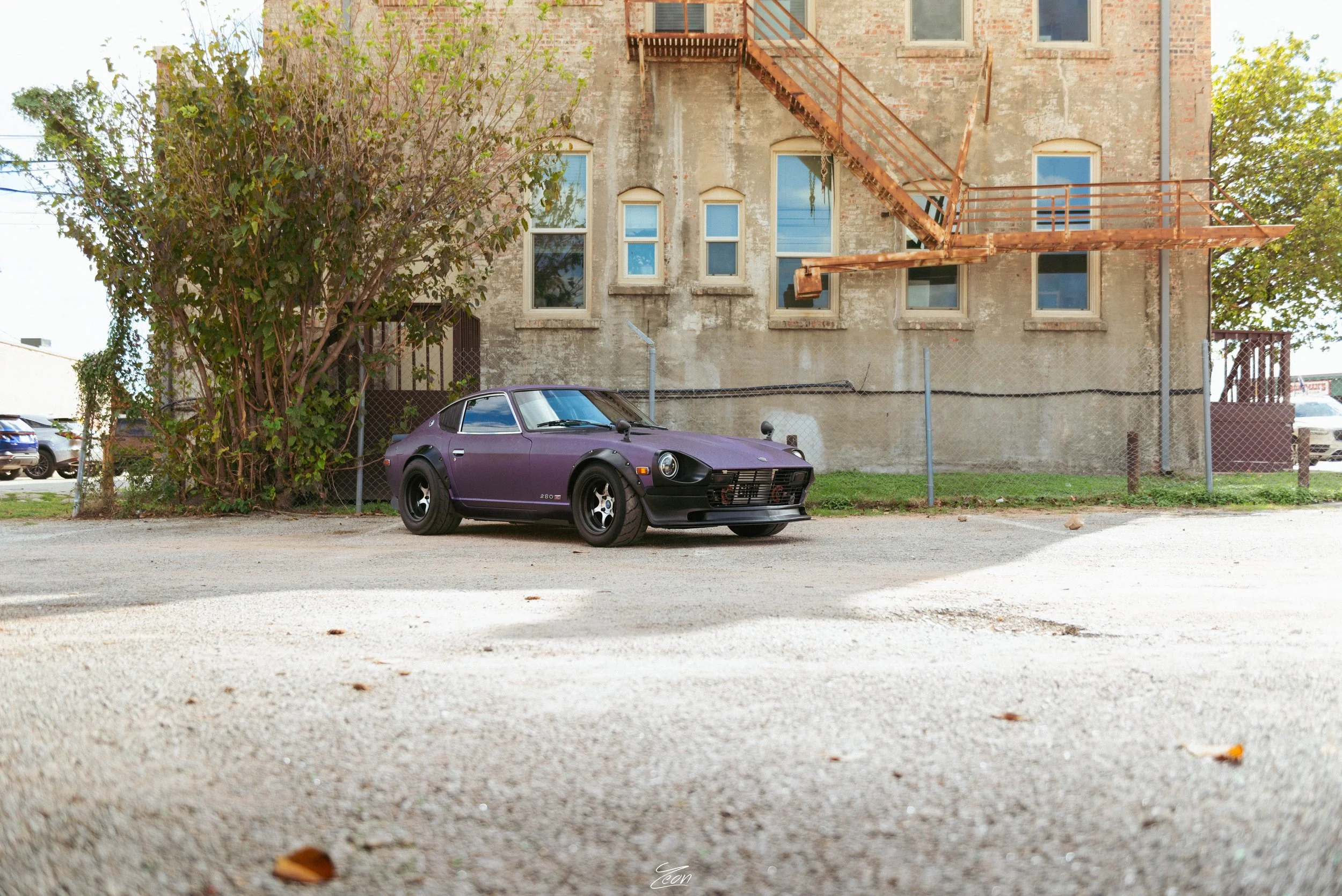
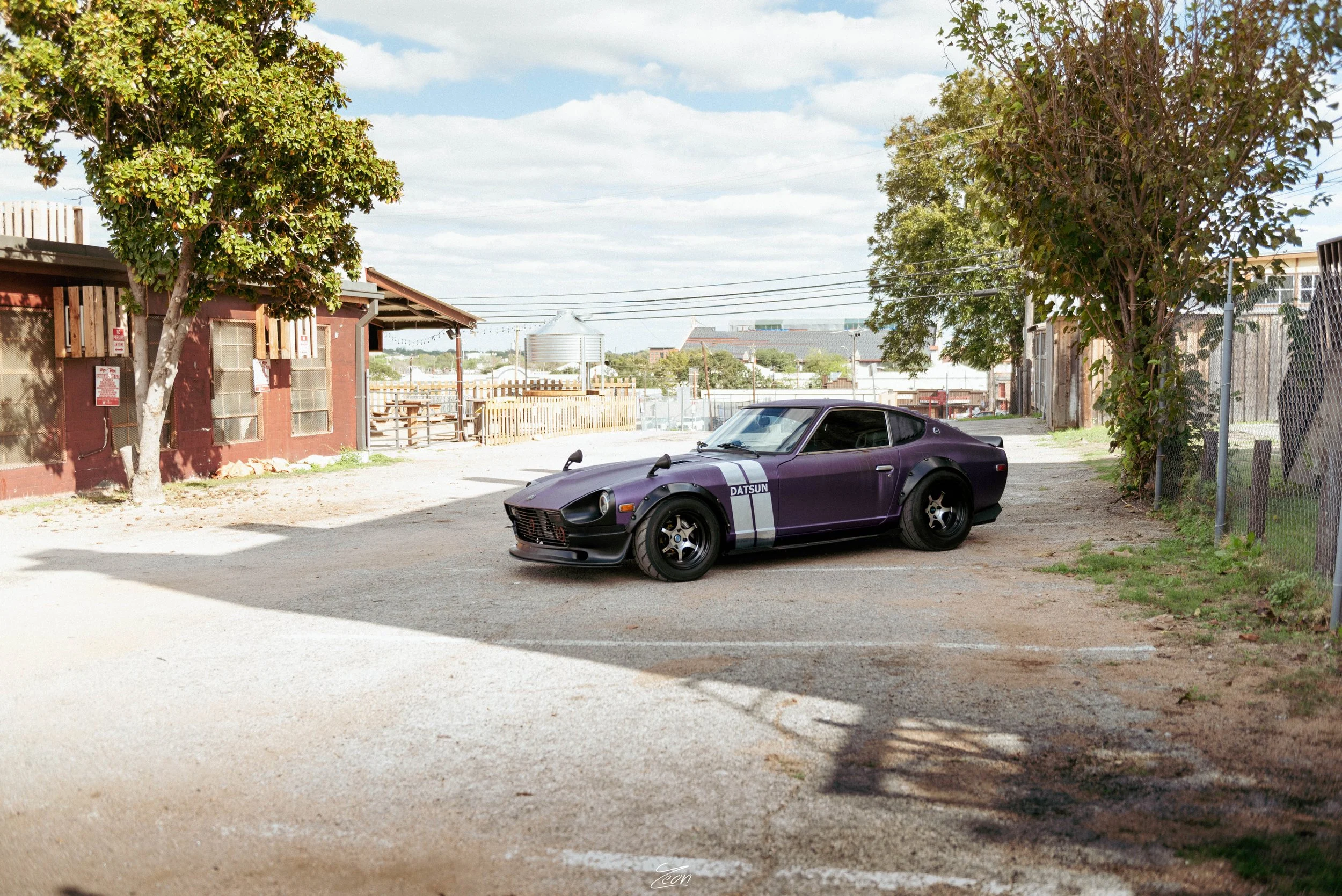
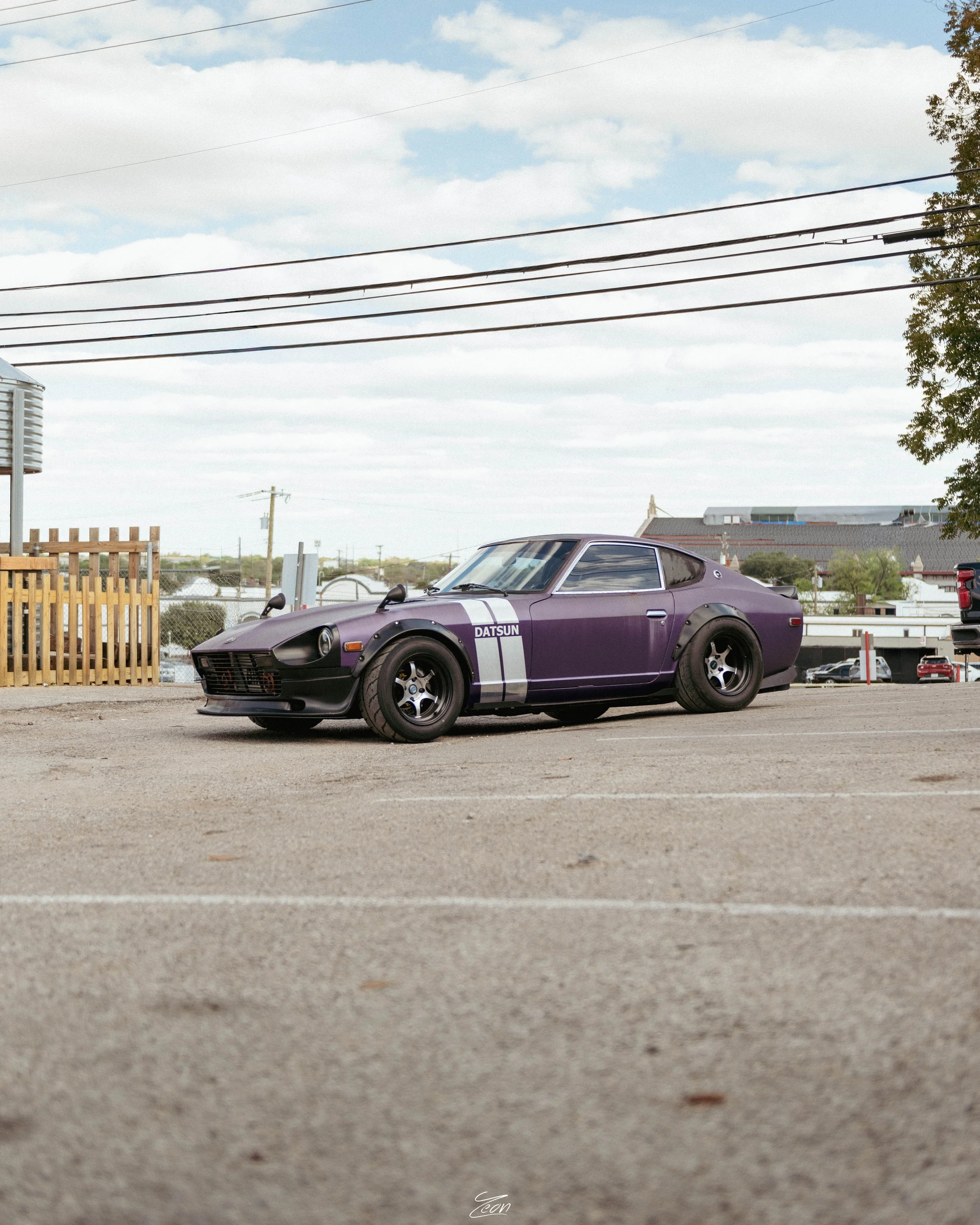
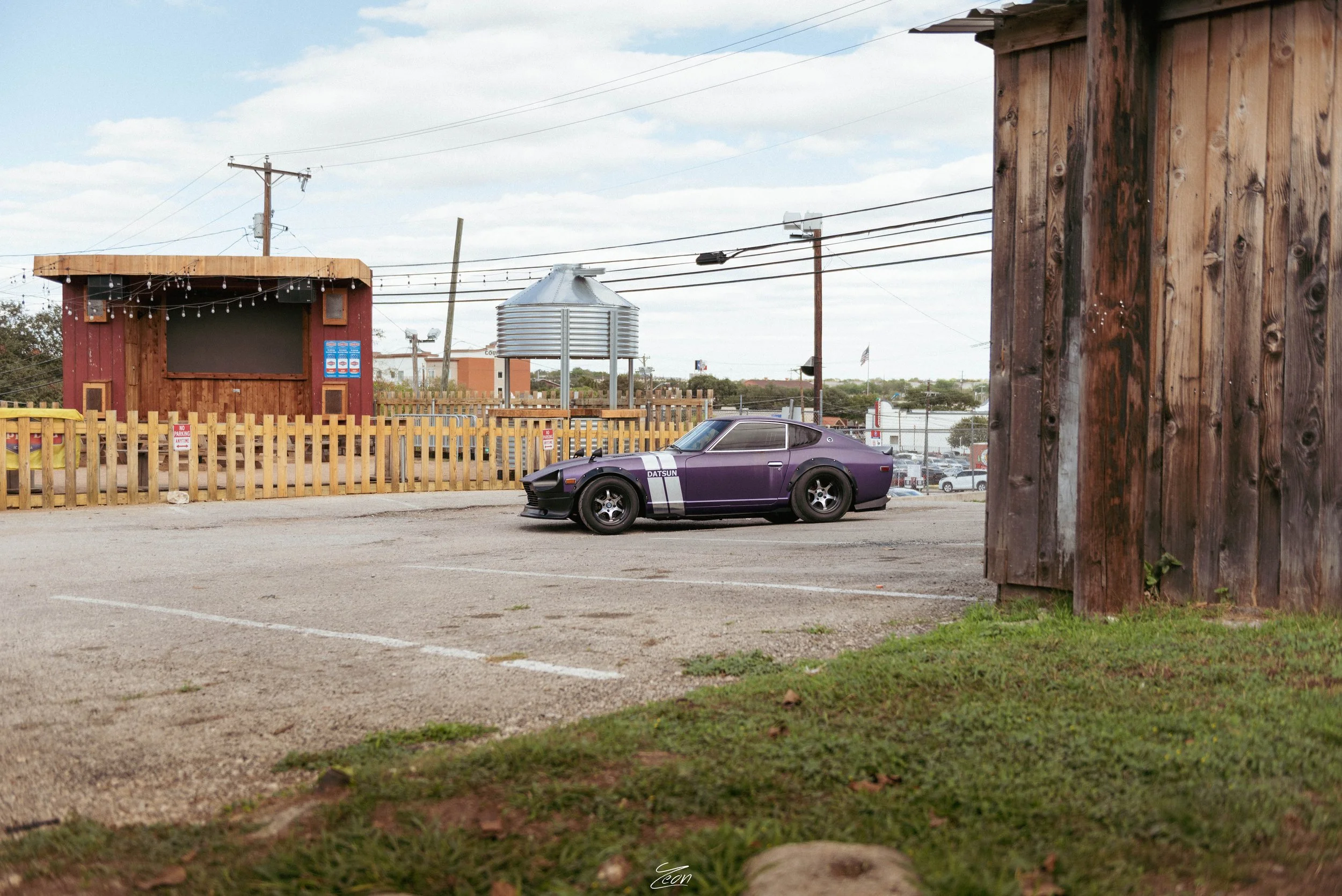
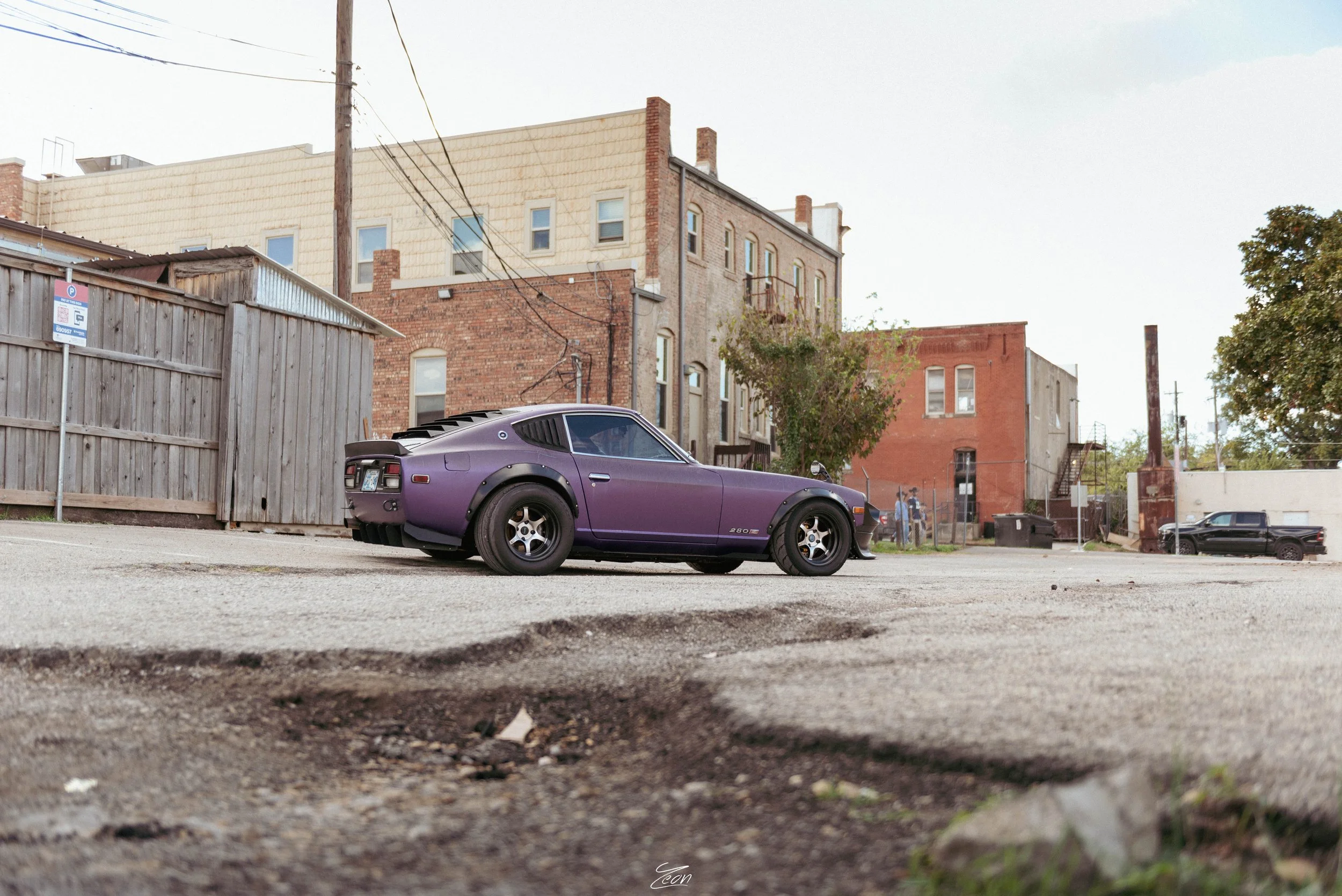
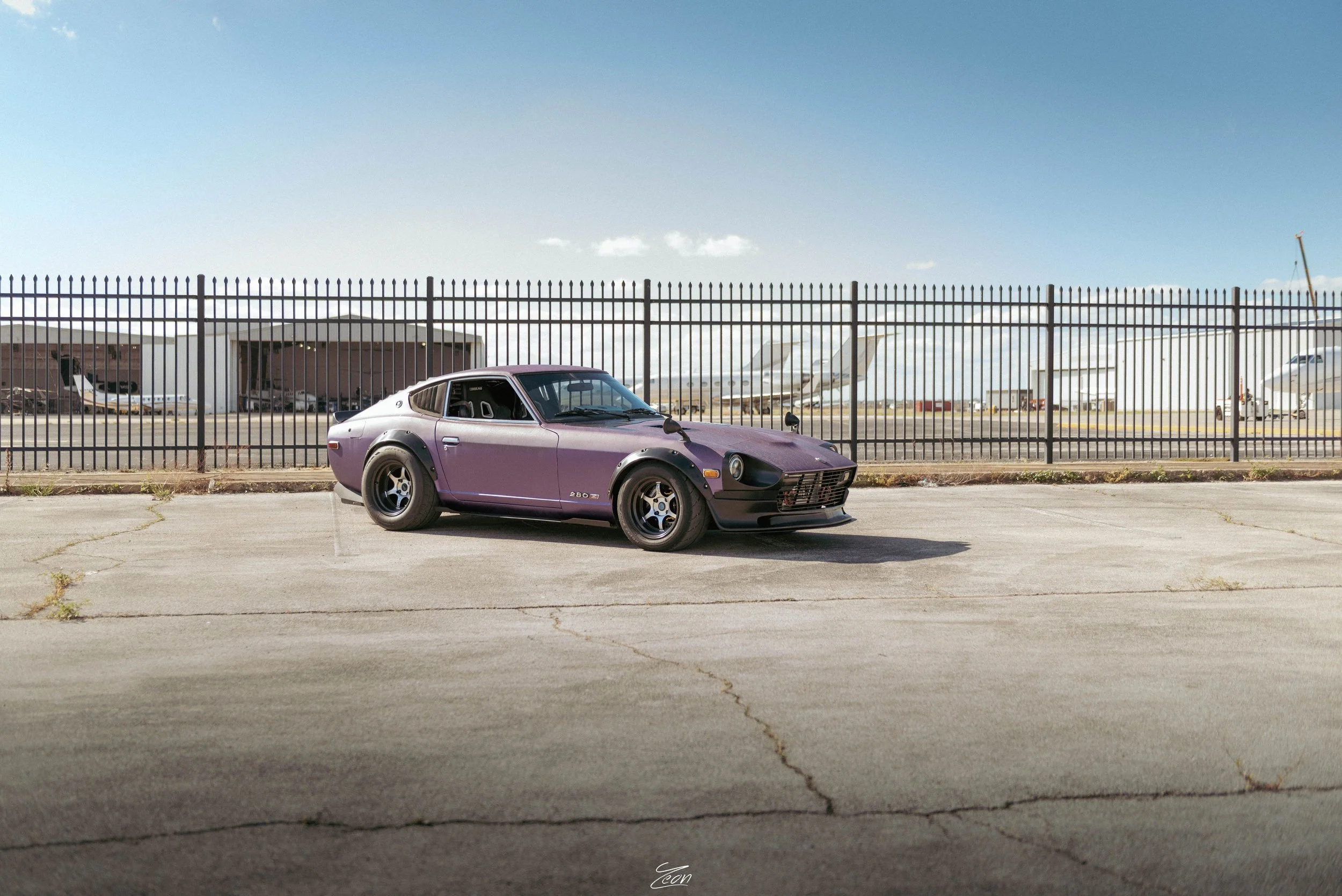
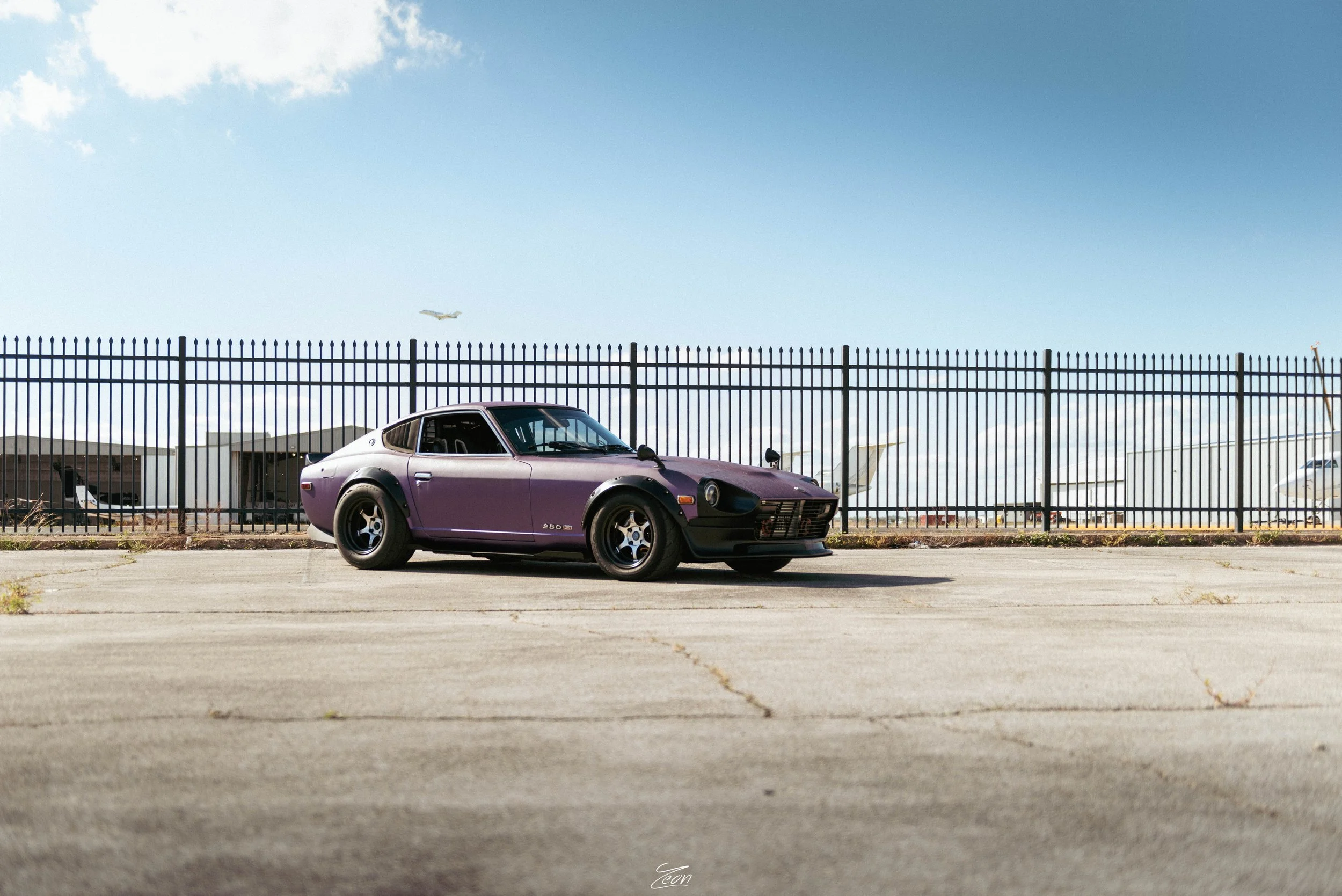
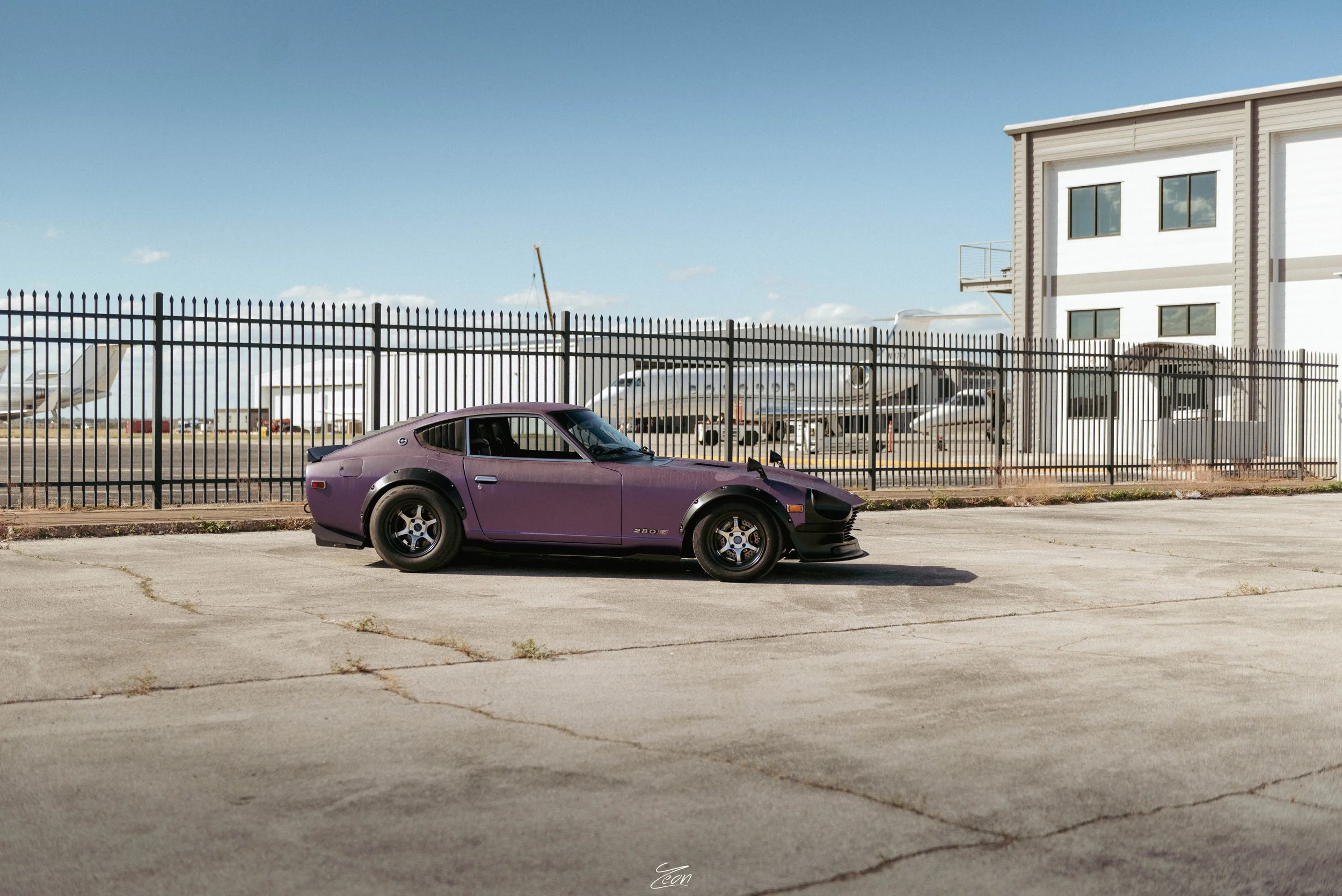
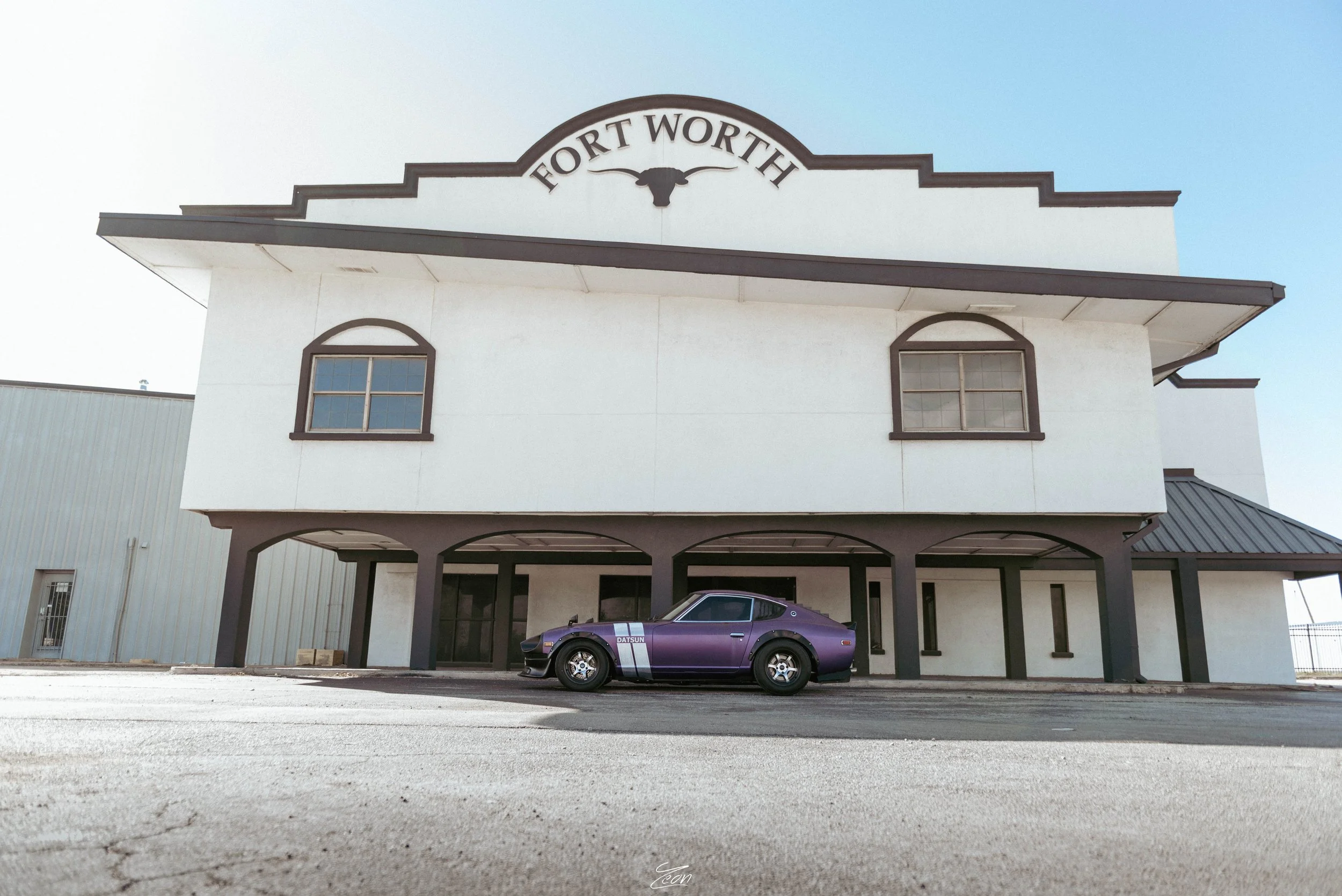
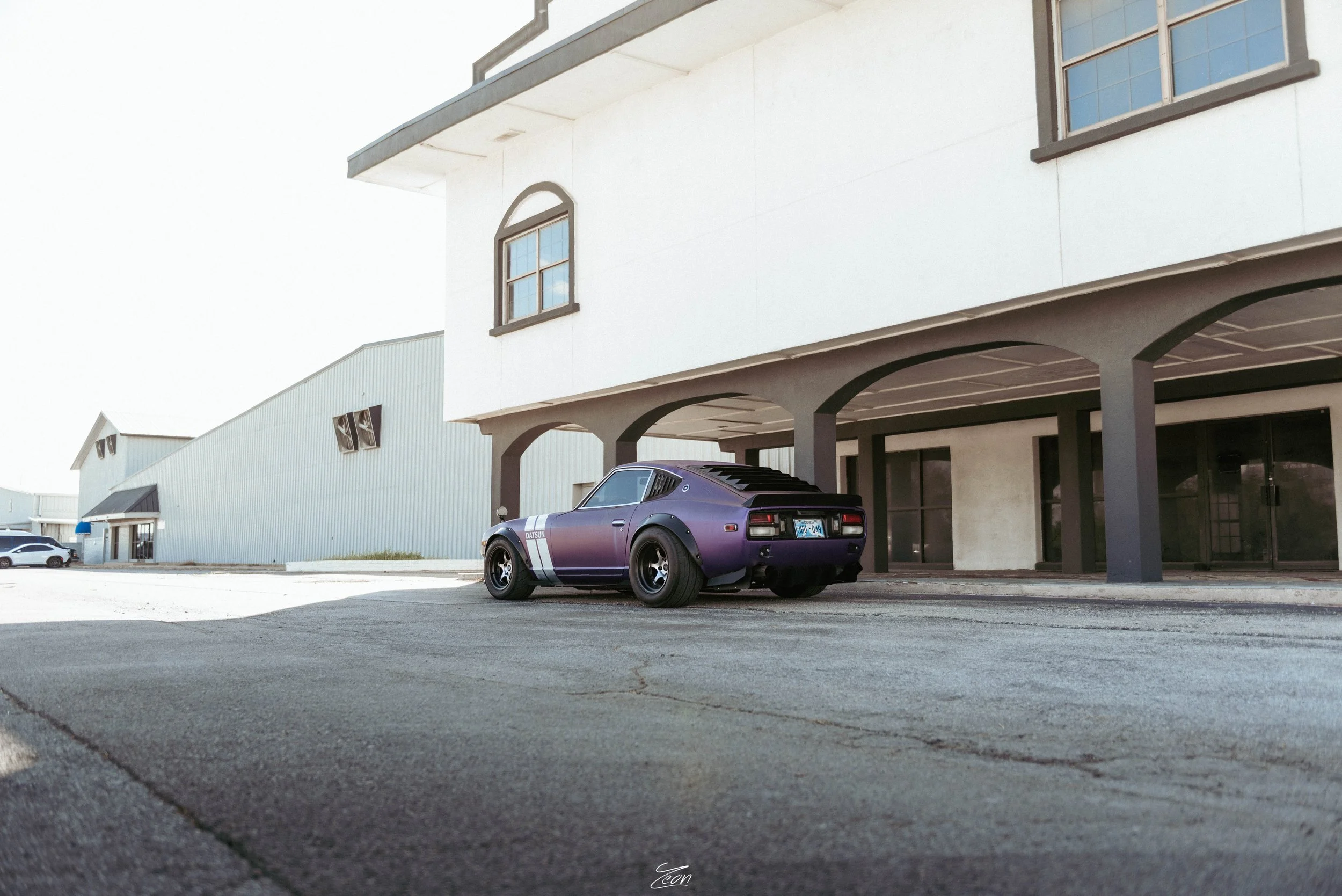
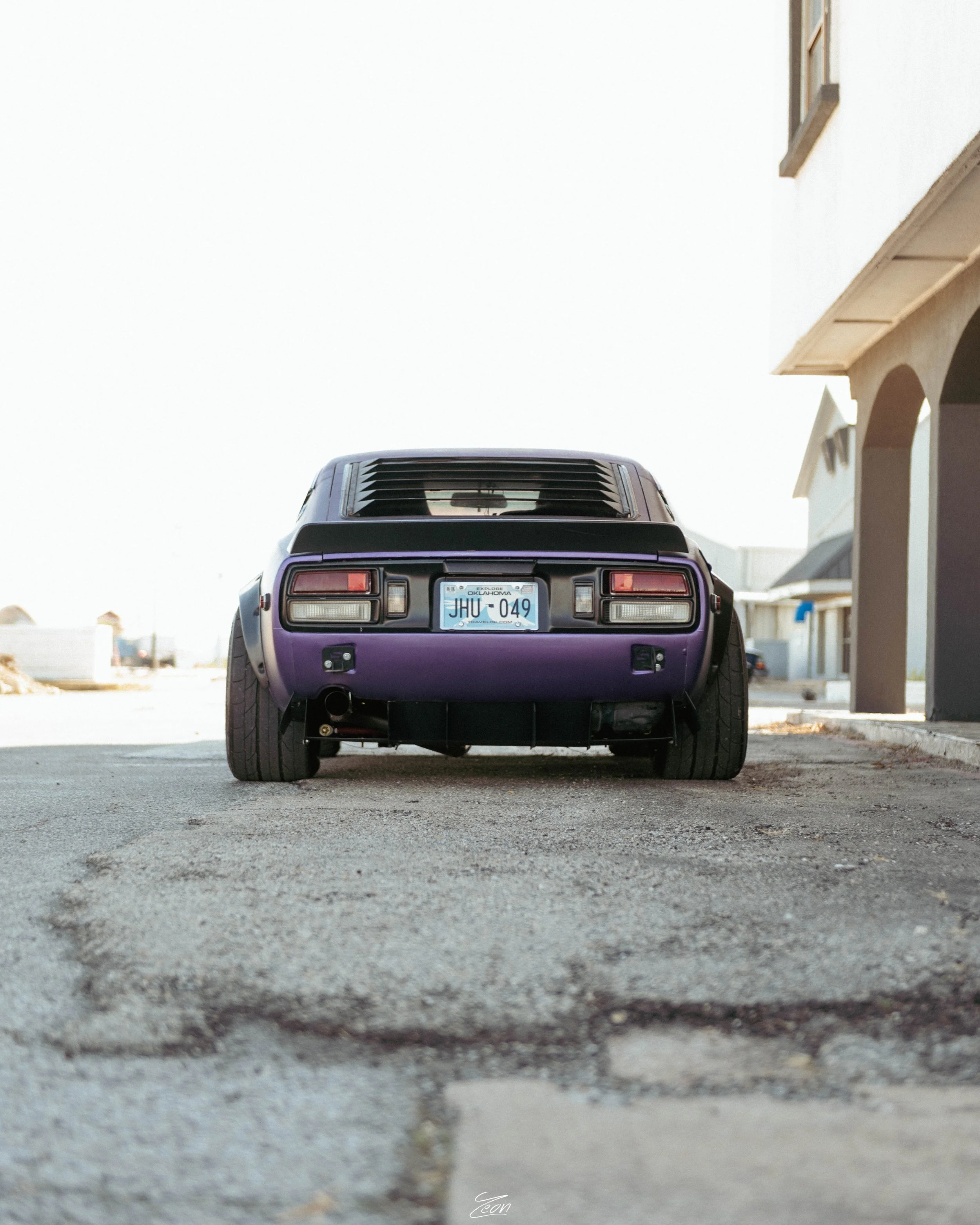
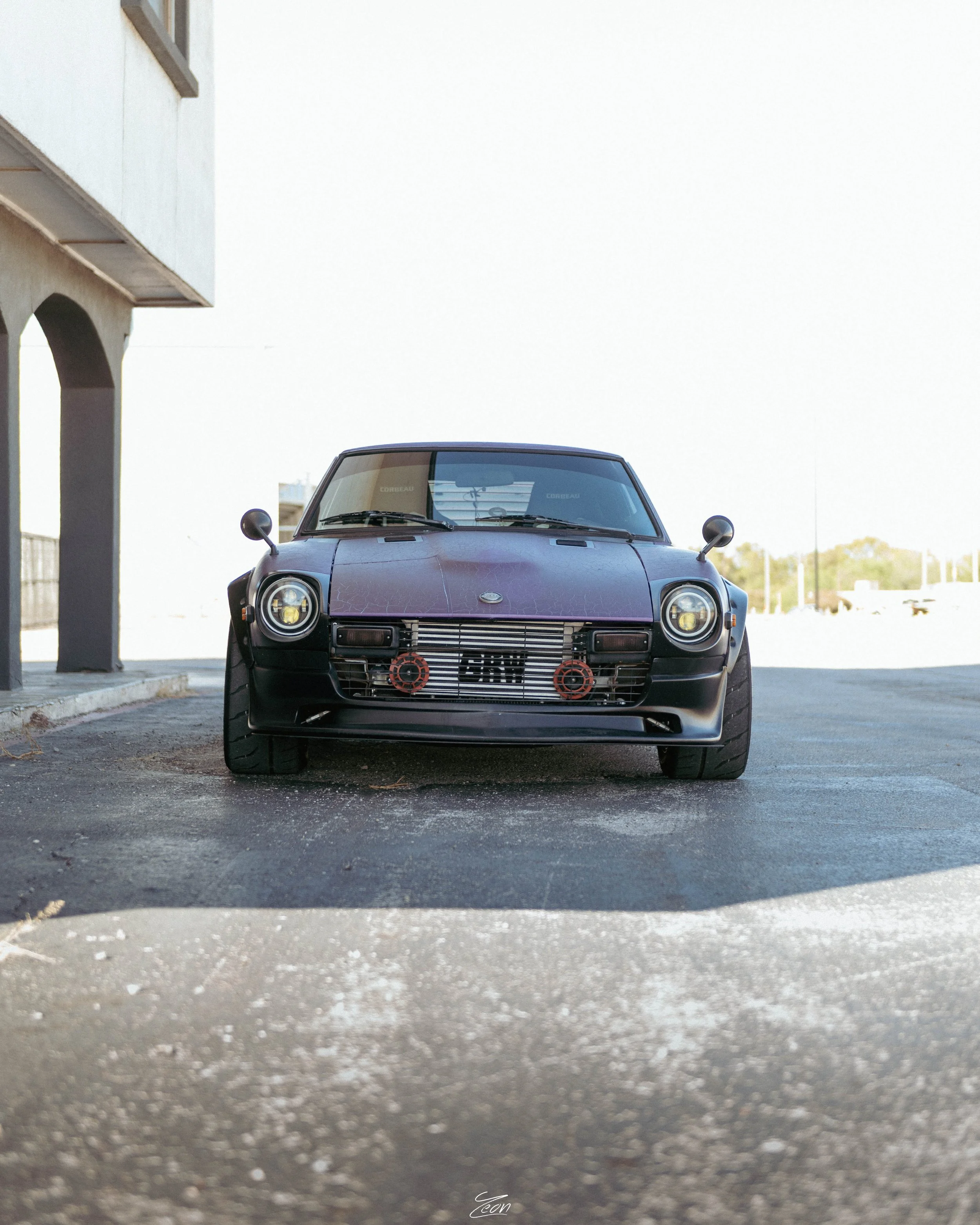
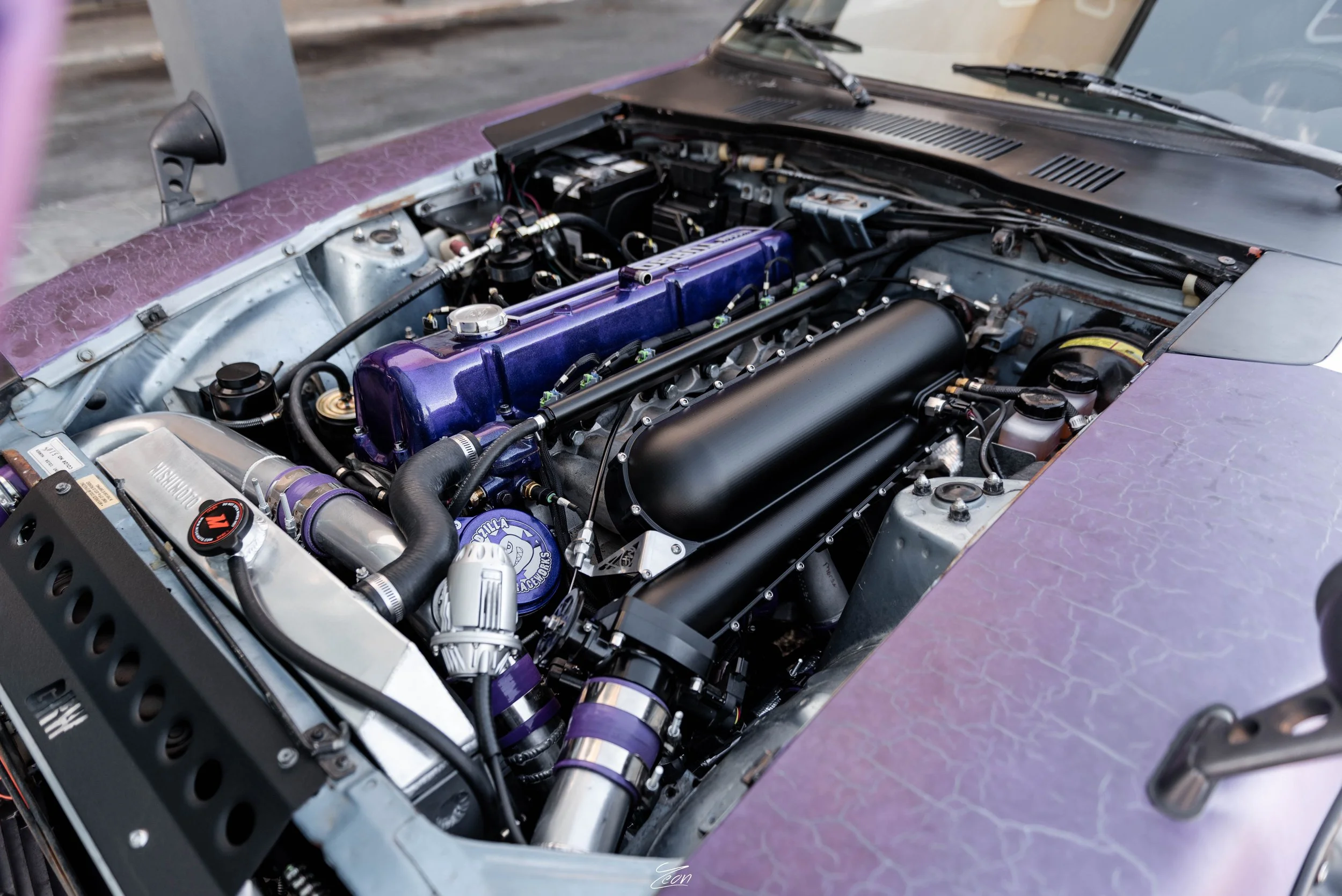
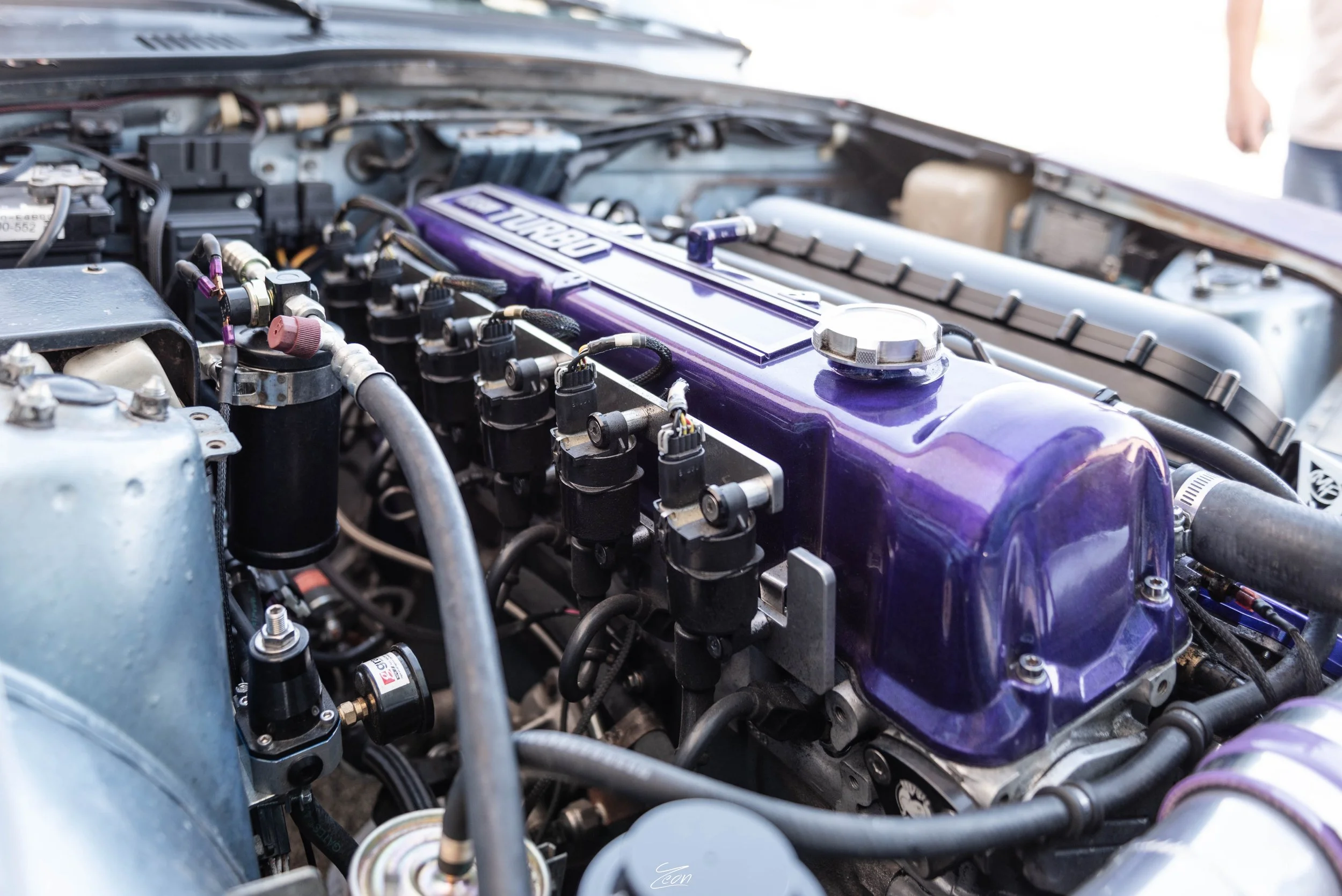
Mr. Morse's Fully Built Big Turbo Powered 78' 280z
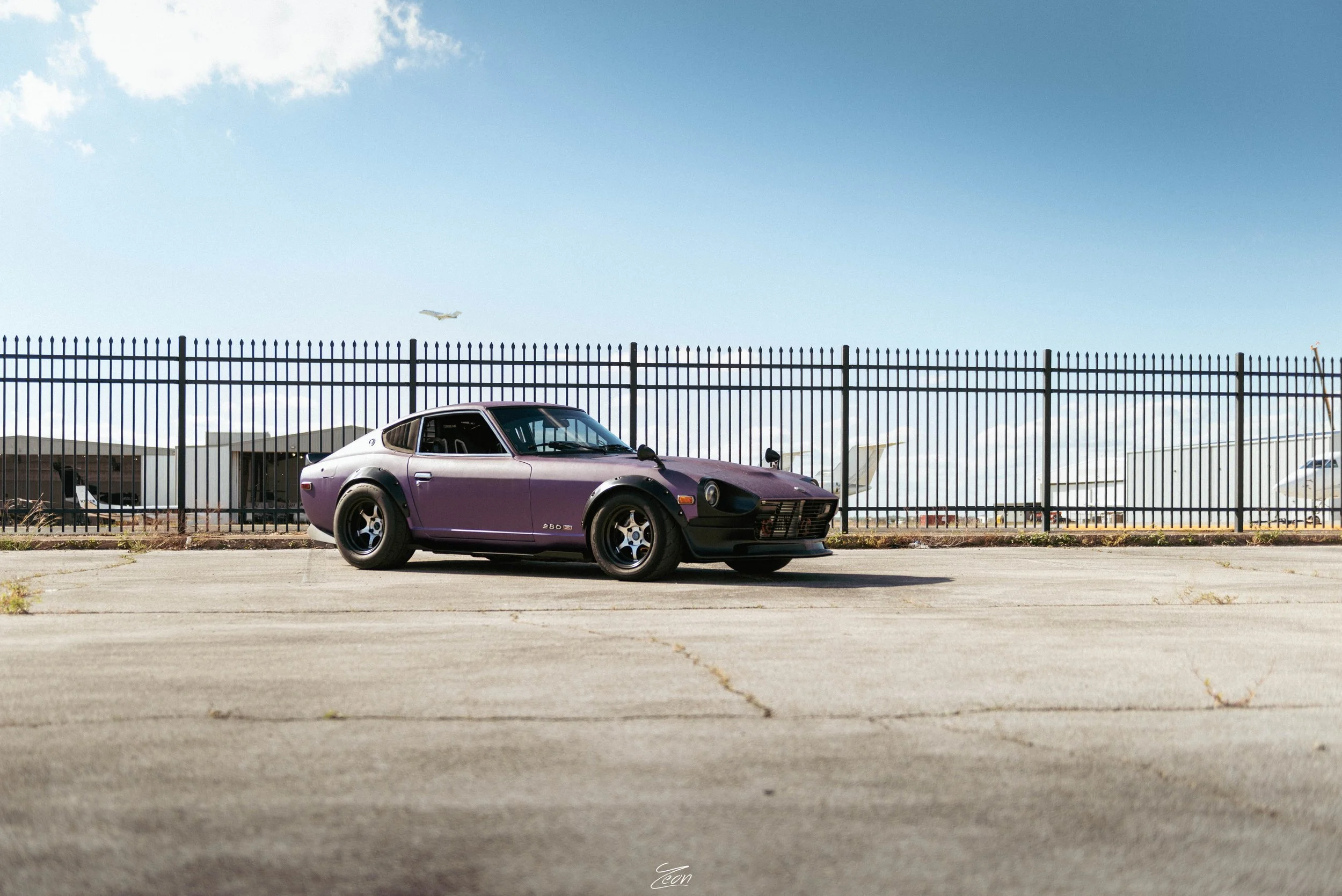
5 Years. 5 long and scrupulous years on what may arguably be one of our top 3 builds ever completed here at GRW. While on the surface, 5 years at face value to complete a build would be considered excessive, and we tend to agree with that. However, the best journey isn’t always a straight line from Point A to Point B. Often times, it is in the small detours and side quests that bring out the best in any process, cultivate new skills, and also highlight the many areas of improvement that need to be taken into consideration. Ultimately we prioritize quality and accuracy over timeline, and that is consistently what was achieved with our part in this build. As much as we love to get GRW builds completed fast, speed is very low on the priority list in favor of exceptional quality when it comes to doing it right the first time.
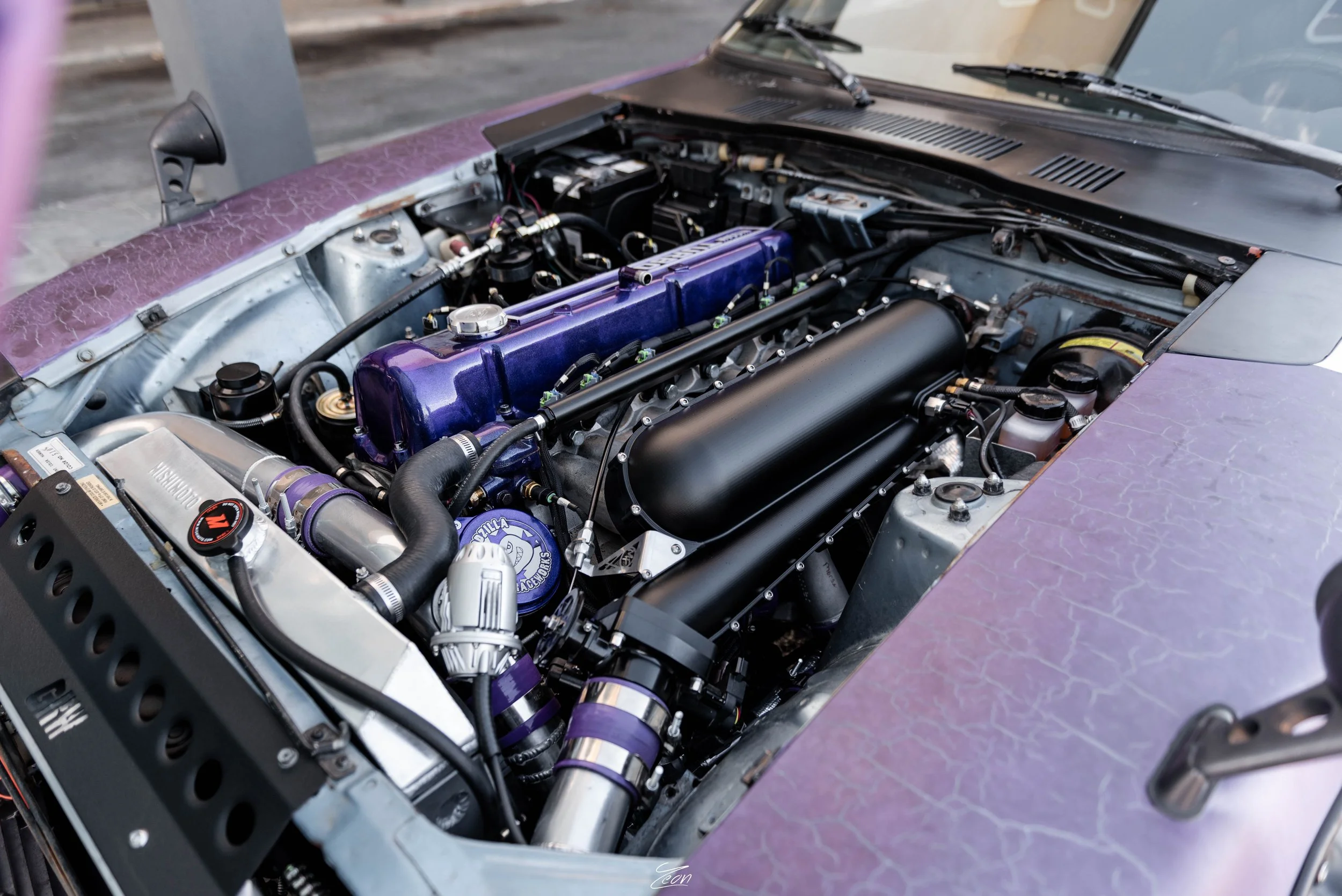
This project involved a collection of a whole host of products that had either not been fully tested yet, or had only been put down on paper, which left a large degree of unknowns until we got to certain progress points in the build. While the total build time was in fact 5 years, as an organization our greatest asset is integrity and transparency, and we’re comfortable being honest and saying that at least half of that delay was due to many internal factors here at GRW, including staffing changes, growing pains as a small business, procedural failures, and a whole host of other boring, non-glorious things that are part of the day to day of running a small business. With each failure point, we learn, we adapt, and we grow, and we make sure to implement changes to ensure it doesn’t happen moving forward.
That being said, this build was also started at the trailing end of the COVID-19 Pandemic in 2021, but not yet at the height of inflation and major supply chain interruptions from that era of economic turmoil. This was not the only build we had that was affected by supply chain interruptions and delays, but it is our last build to suffer from those issues.
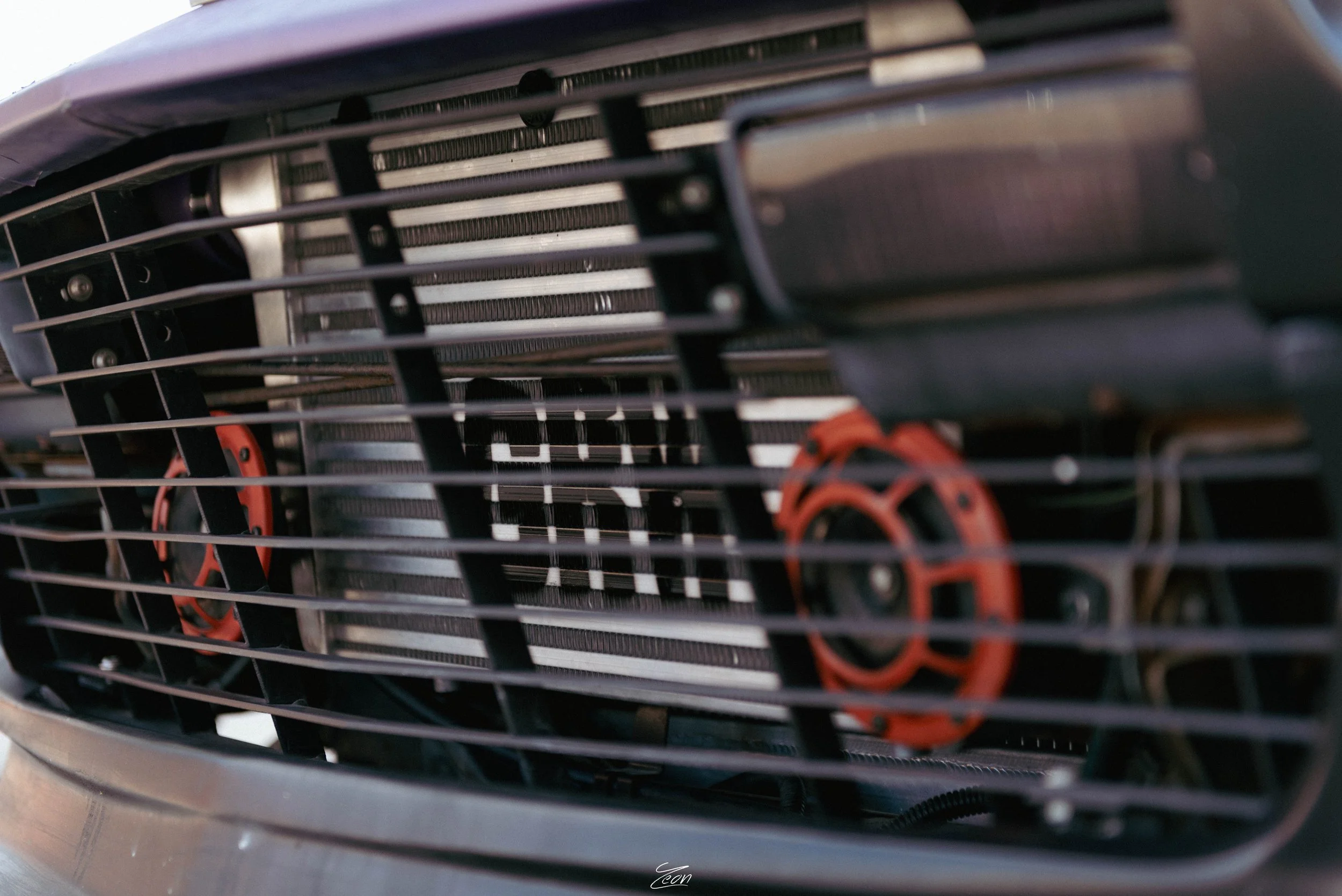
Mr. Morse originally became our customer when he purchased one of our CD009 6-Speed conversion kits. At some point we began discussing a L28ET conversion and a rebuilt engine with one of our Borg Warner S257 turbo kits. At that time in 2021, this kit was very new to us, and was being field tested on our Development 280zx Turbo, and at it’s price point, was a very attractive option for a mild boosted setup, as well as a candidate for bigger HP projects. Mr. Morse brought us a donor L28ET engine for a rebuild, with the original intention to build it to suit around 350whp. This is something that we do quite frequently, and is easily attainable on the OEM spec cast pistons.
We generally cap our cast piston engine builds at around 350whp for longevity reasons, among many other reasons, but for anything over 350whp we generally recommend upgrading to forged pistons for future proofing. This also gives you a little more margin for error when tuning, as cast pistons can be very easy to break during tuning mishaps, where as forged pistons can handle a lot more abuse with minor tuning mishaps. During our discussions after the build started, Mr. Morse decided he wanted to with forged pistons and push the HP level past the 350whp mark. At the time in 2021, we were experiencing extreme back orders with Ross Racing Pistons, who we generally use to source all of our forged L-series pistons. With the reputation they have in the community, it was a no-brainer. They did their best to communicate any delays as best as they could, but in this current economic climate, you have to take every projection with a grain of salt. We had 3 other sets of pistons on order with them for other builds as well, and depending on the specifications, we received them within a 12-16 month window.
During that delay period, we grew exponentially, expanded to a larger shop to handle the work load, and took on a ton of new builds. Unfortunately within that window, due to growing so fast, we found all of the failure points in our operations, which eventually led to a major overall in our process on all fronts. The other big issue with delays, is at the end of the day, we’re a business. We all have families to feed and bills to pay, so that being said, we started on other builds while parts were on back-order. Those builds also experienced delays, which eventually causes a giant ripple effect across our whole schedule. While we do our best to manage it as best as we can, there is no perfect way to deal with it without causing some degree of frustration across our client base.
Once the pistons came in, we finally could start on the machine work. We did as much machine work as we could ahead of time to the engine block, such as the coolant jacket machining profile to accommodate the Jeff Priddy designed Cometic head gasket. This has to be done on a CNC mill with a program for accuracy, so we took care of that while we were waiting on the pistons. Once the pistons arrived, we got the engine block and rotating assembly over to our machine shop to begin that process. Our machine shop is very good, and everybody in the area knows it, so a lot of race teams and race car builders also use them. This is another choke point that we have dealt with for years, but with prioritizing quality over quantity, we’re happy to wait. At the time the engine block was dropped off, there was a 6 month back-log before we would receive the engine block back.
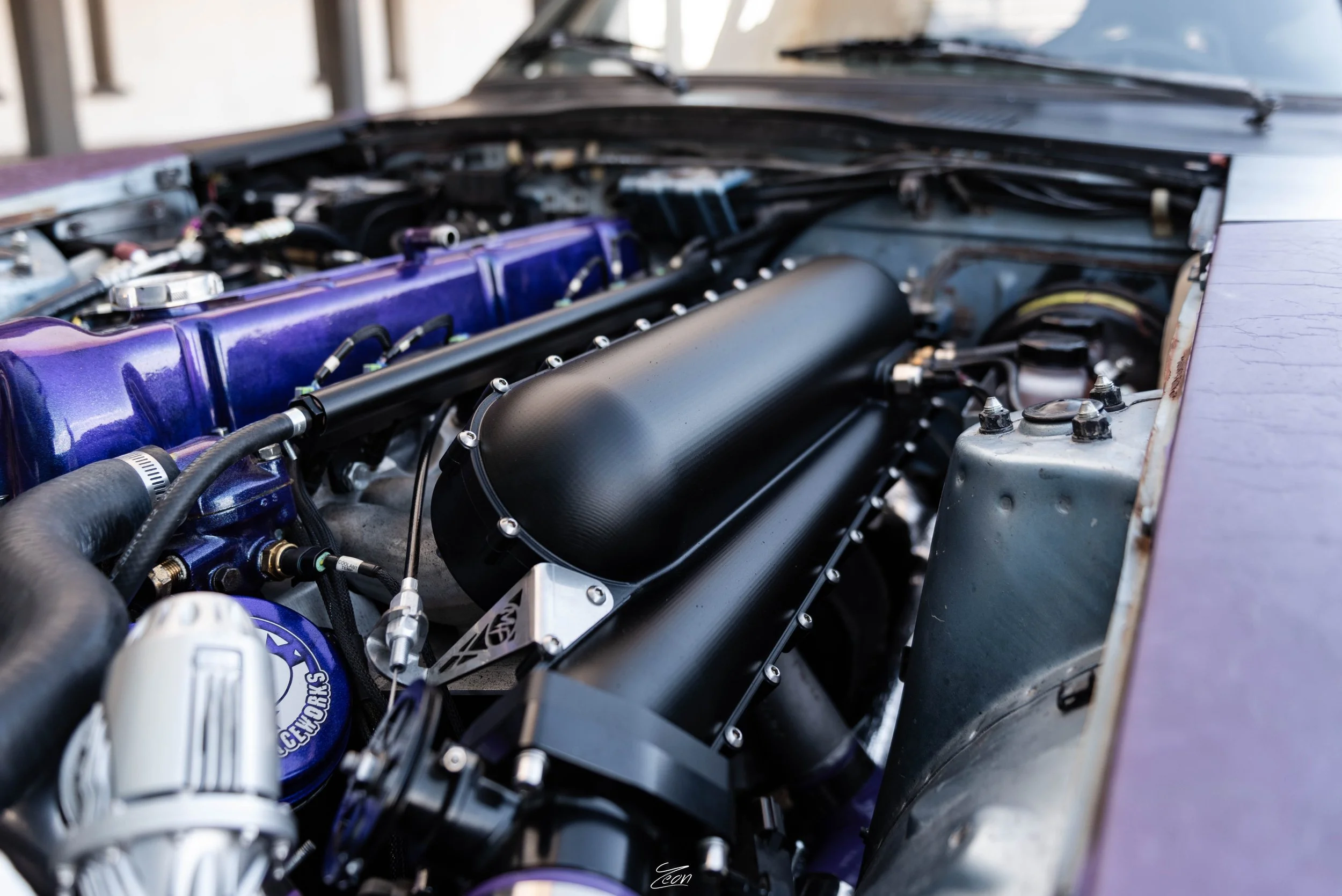
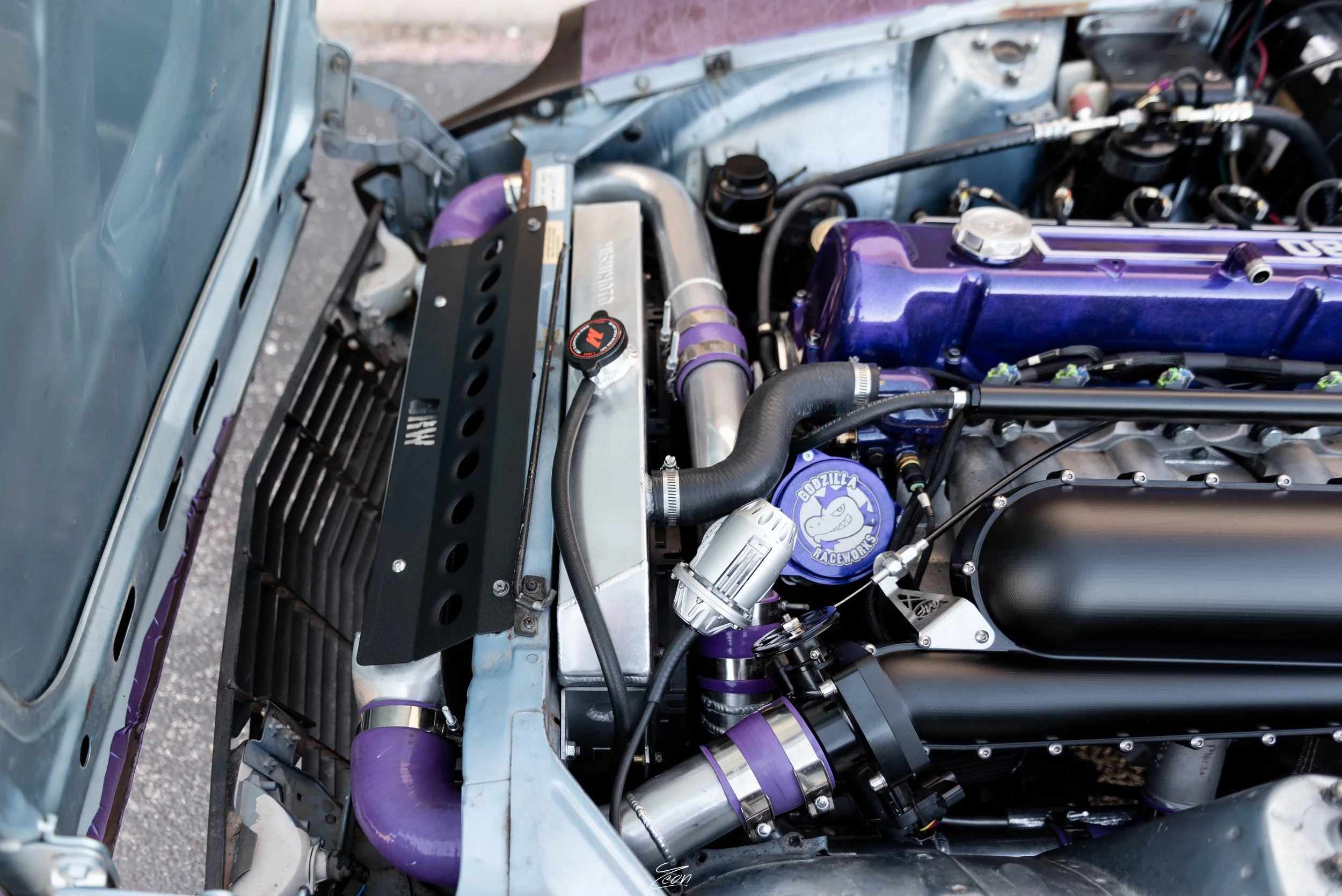
During that back-log, we secured a Schneider Stage 4 turbo camshaft, and at the request of Mr. Morse, a complete set of Speedhut gauges, a Vintage Air system, and Mr. Morse provided us with a Milkfab intake manifold to hang on the engine once it was assembled.
At this point in time, we were still offering manual cylinder head porting services, which Mr. Morse opted for. Due to the high demand, we simply were not able to keep up and had a major back-log in head porting jobs. Luckily around this time, LSpec Datsun out in California started offering CNC cylinder head porting, so we sent Mr. Morse’s P90 head, along with 6 other cylinder heads in a crate to LSpec for CNC porting. About 8 months later we got them all back, and could move forward with the final head machining with our machine shop. Luckily our machine shop has multiple employees that can do cylinder head work, so we only had to wait 1 week to receive the head back fully assembled and ready to go.
Then came the final assembly of everything. We had the engine fully assembled, but had multiple projects that had been started during the delays with Mr. Morse’s parts. During the amount of time that passed in limbo, a whole host of GRW products had been tested and released, so Mr. Morse requested we update portions of his build to reflect the latest GRW offerings. Out was the older Megasquirt 2 Plug and Play unit in favor of our newest MS3Pro Mini Plug and Play setup with Flex Fuel. We also had to update our intercooler kit to accommodate the Milkfab intake he supplied, as well as completely re-design our Vintage air hoses in the engine bay, and source an alternate compressor design so that everything worked cohesively together. We also found that the Schneider Stage 4 Turbo cam generates a ton of heat due to the overlap, which was discovered on our Development 280zx Turbo vehicle. This materialized into removing the SPAL fans, and updating Mr. Morse to our current Proform brushless fan setup, as well as taking multiple steps to mitigate radiant heat under the engine bay, between additional heat shielding, ceramic coating, and adding Skillard vents to scoop fast moving air into the engine bay to keep things cool.
During the build process, we also addressed several other areas during the assembly process. Mr. Morse brought us a Vintage Dash to replace his cracked dash, as well as a set of Corbeau Evolution X seats to install in the vehicle while the interior was apart getting the Vintage Air system and Speedhut gauges. We also installed all new Apex Engineered front and rear control arms, ST Suspension sway bars, and a set of Feal Suspension coilovers to get the suspension modernized and fully adjustable. Stopping power is another mandatory thing to consider at this power level, so we set this vehicle up with a full set of TechnoToyTuning brakes for the front and the rear of the vehicle, along with a Wilwood 1” Master cylinder upgrade. The last piece of the mechanical puzzle was the driveline. The last remaining weak point at the power level Mr. Morse requested was the rear differential, OEM half shafts, and stub axles. We opened up the R200 differential and installed an OS Giken Clutch type limited slip unit, as well as installed all new bearings. We capped the rear differential upgrade off with a set of Porsche CV axles and billet stubs from FutoFab, ensuring there would no longer be any weak points in the driveline.
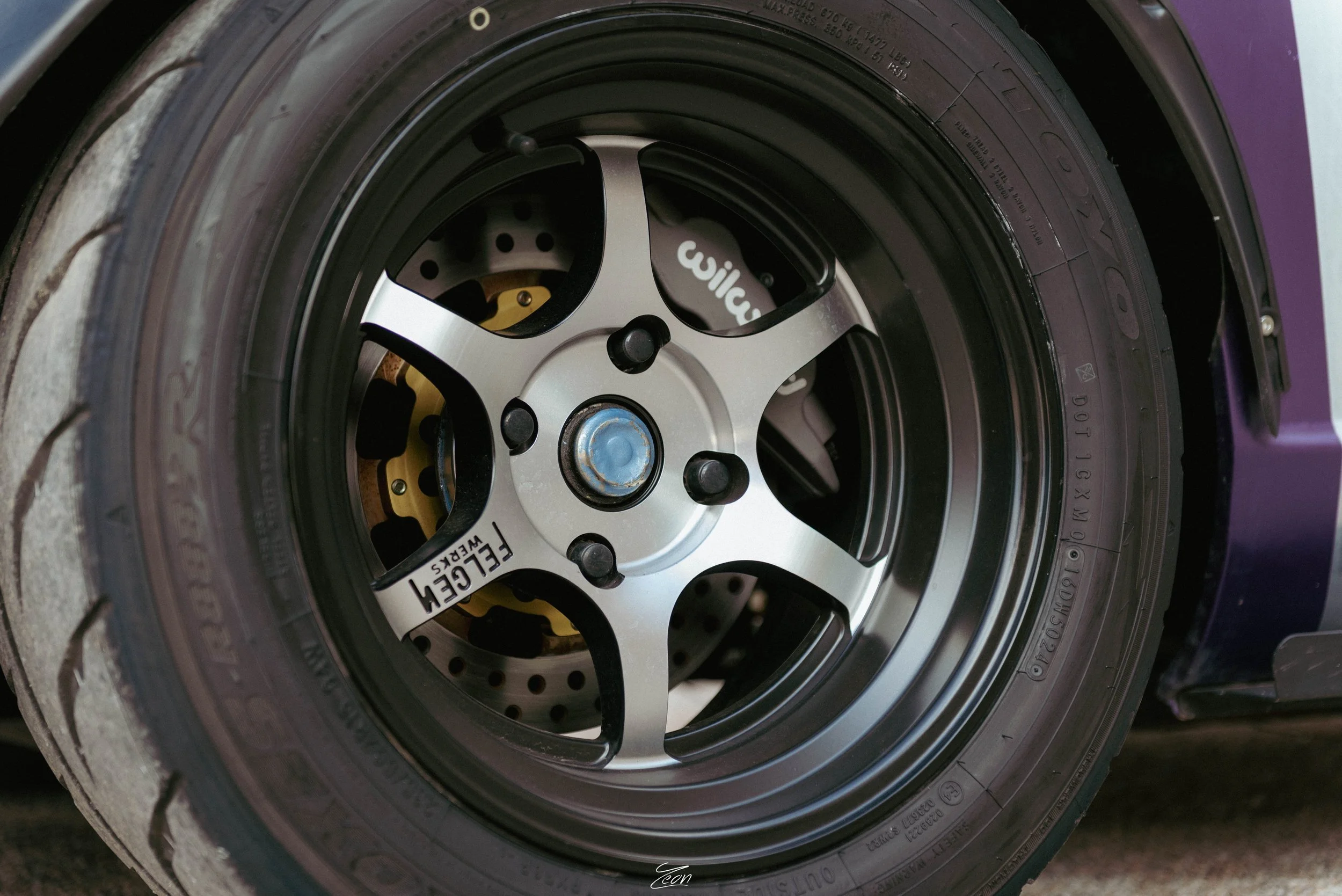
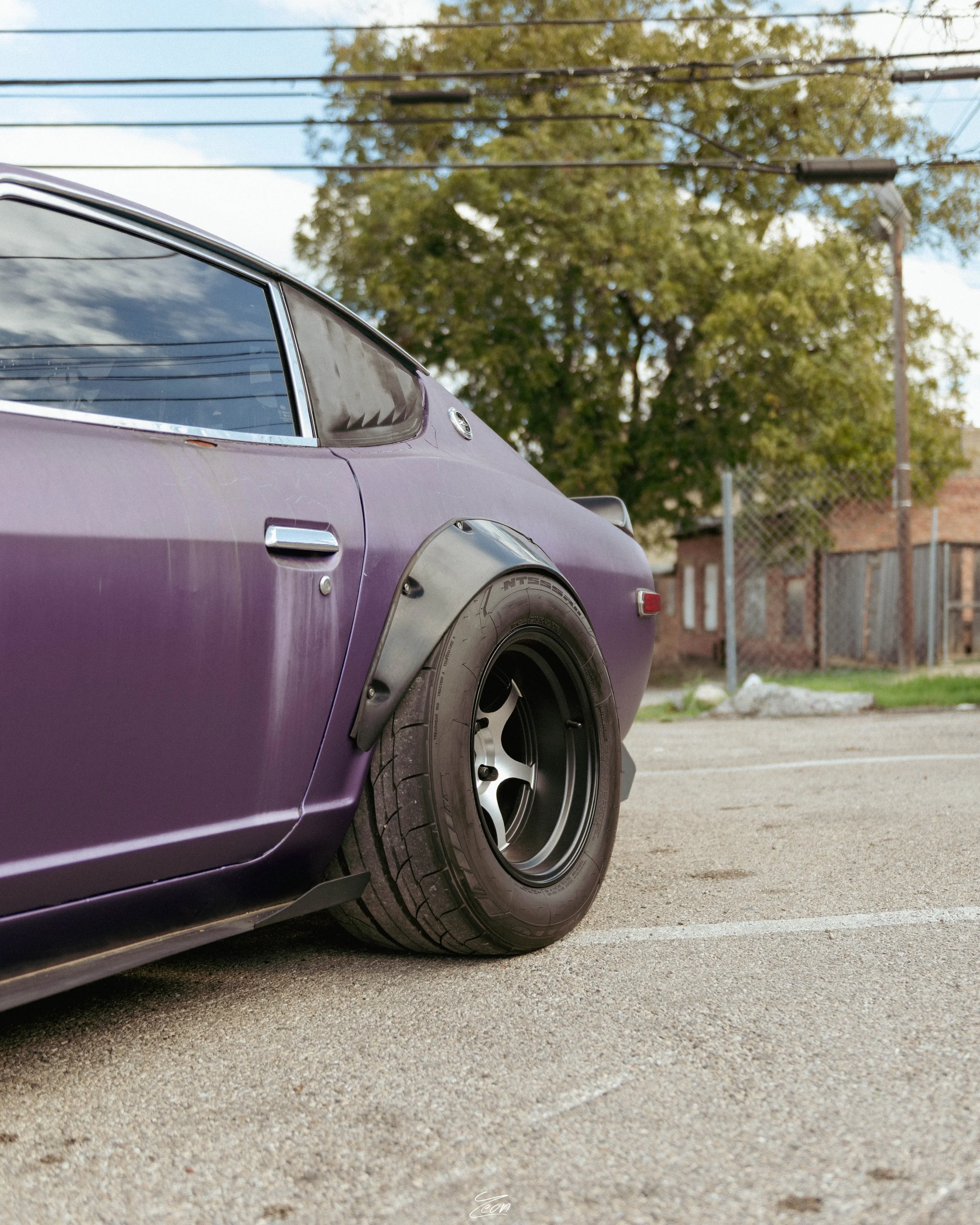
Once the mechanical portion was completed, we moved onto the final aesthetics. Mr. Morse provided a super wide set of 15” Wheels for use with fender flares to really give this car a wide stance. We were dealing with 15x9 up front, and 15x10.5 in the rear. If you’ve ever shopped for wide tires in 15”, there are not a lot in circulation that are available outside of trucks or standard passenger car tires, which don’t take traction and performance into account. Fortunately we were able to track down a set of Nitto NT555RII tires for the rear, and Toyo Proxes R888R tires for the front to accommodate the wheel specifications we had to work with. At this point, we were finally able to locate the suspension in the exact place we needed for both ride height, stance, and to accommodate the ZG flares Mr. Morse requested. After multiple sessions of trimming the body away, we were able to gain a fully rub-free driving experience with this wheel and tire combo.
After all of the random odds and ends were completed, all delays accounted for and addressed, and all changes made mid build, either by the client or on our part, we finally had a working vehicle ready for tuning. Generally we like to dyno-tune cars like these due to the power they make, and the liability of street tuning, however our dyno tuner we use and trust is in the middle of moving shops, so we ended up street tuning the vehicle on both 93 octane and E85 flex fuel. After all is said and done, this car absolutely rips. It will easily support 500whp or more depending on how much boost and timing is thrown at it, and only time will tell depending on when this build can get on a dyno for more accurate tuning.
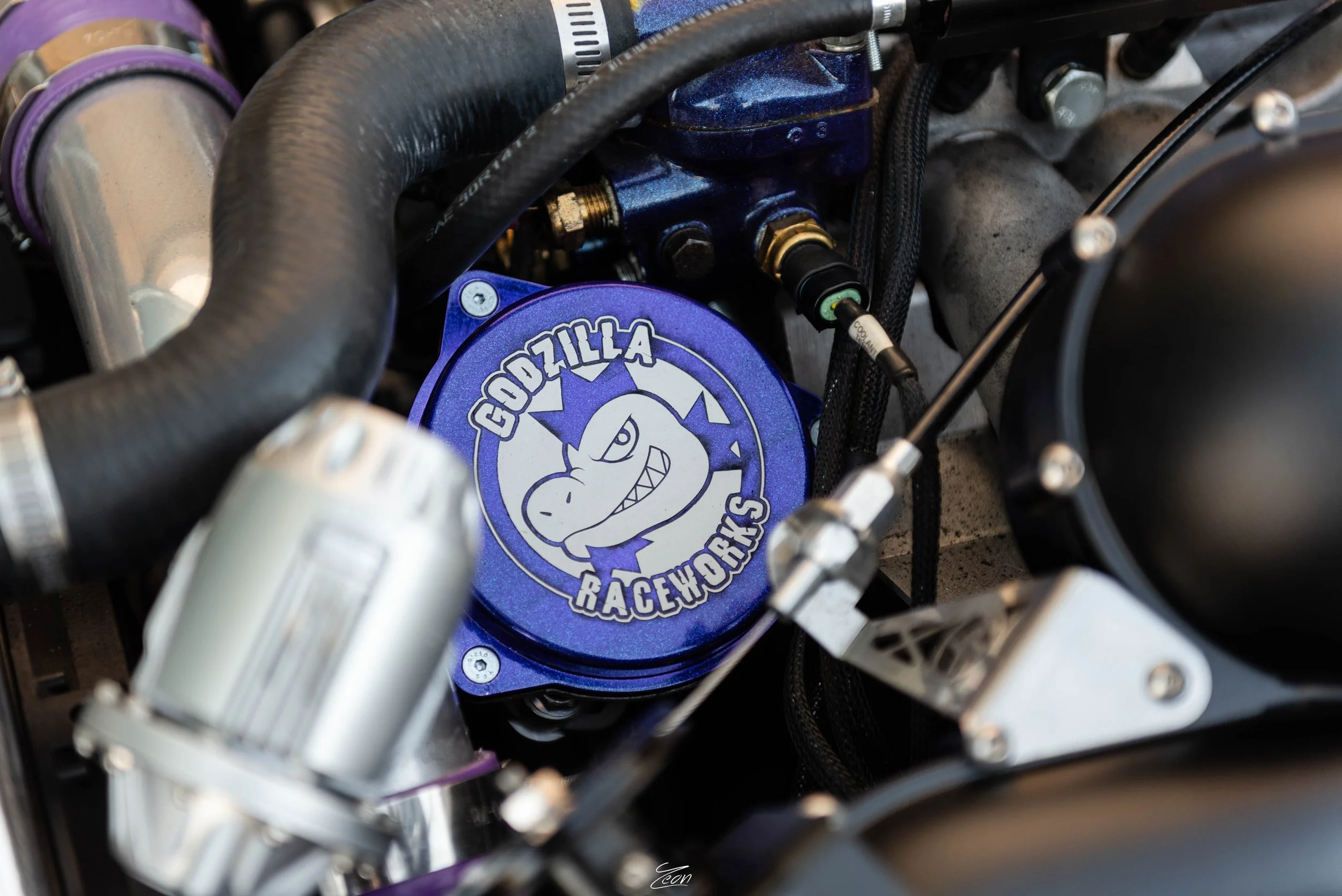
While we are responsible for a good portion of the delays in the build, we are very happy that the delays that were out of our control have since been remedied by those respective companies improving their processes, as well as the economic and supply chain climate finally recovering from the COVID delays. In closing, 5 years is a very long time to complete a project, but all things considered, ultimately we want to be judged by our quality of work and the product we put out on the street, as that speaks higher volumes than how long it takes to do something right the first time.
ENGINE AND DRIVETRAIN SPECS
GRW Built 2.8L L28ET Engine w/ Priddy Head Gasket Ports
LSpec Datsun CNC Ported and Dimpled P90 Cylinder Head
Ross Racing L-Series Forged Pistons
Comp Clutch RB25 Flywheel
Schneider Racing Cams 290-80F-14 Camshaft
Schneider Racing Cams Valve Springs
Schneider Racing Cams Valve Spring Retainers
Kameari Engine Works Adjustable Camshaft Sprocket
Torque Solutions Turbo Blanket
GRW Built 3” Stainless Steel Exhaust
GRW 3” Short Ram Intake
INTERIOR & EXTERIOR SPECS
Vintage Air Gen 2 Mini System w/ GRW Hoses
Vintage Dashes Reproduction Dash
Felgen Werks FW.001 Forged Wheels [15x9 F / 15x10.5 R]
Toyo Proxes P235/50/ZR15 Front Tires
Nitto NT555RII P275/50/ZR15 Rear Tires
1” Hub-Centric Wheel Spacers
MSA Type 1 Lower Valance
MSA Wide ZG Flares
Skillard Hood Vents
Skillard Front Splitter
Skillard Rear Splitter
Skillard Front and Rear Tow Hooks
Rear Window Louvers
Rear 3/4 Window Louvers
Apex Engineered Front Lower Control Arm and Tension Rod Kit
Apex Engineered Rear Lower Control Arm Kit
Apex Engineered Steering Rack
Apex Engineered Outer Tie Rod Ends
FutoFab Porsche CV Axle and Stub Axle Upgrade
Techno Versions Front R200 Differential Mount
TechnoToyTuning Front Big Brake Kit
TechnoToyTuning Rear Big Brake Kit