Marco's Retro-Modern 1972 Nissan Skyline Hakosuka GT-R Build
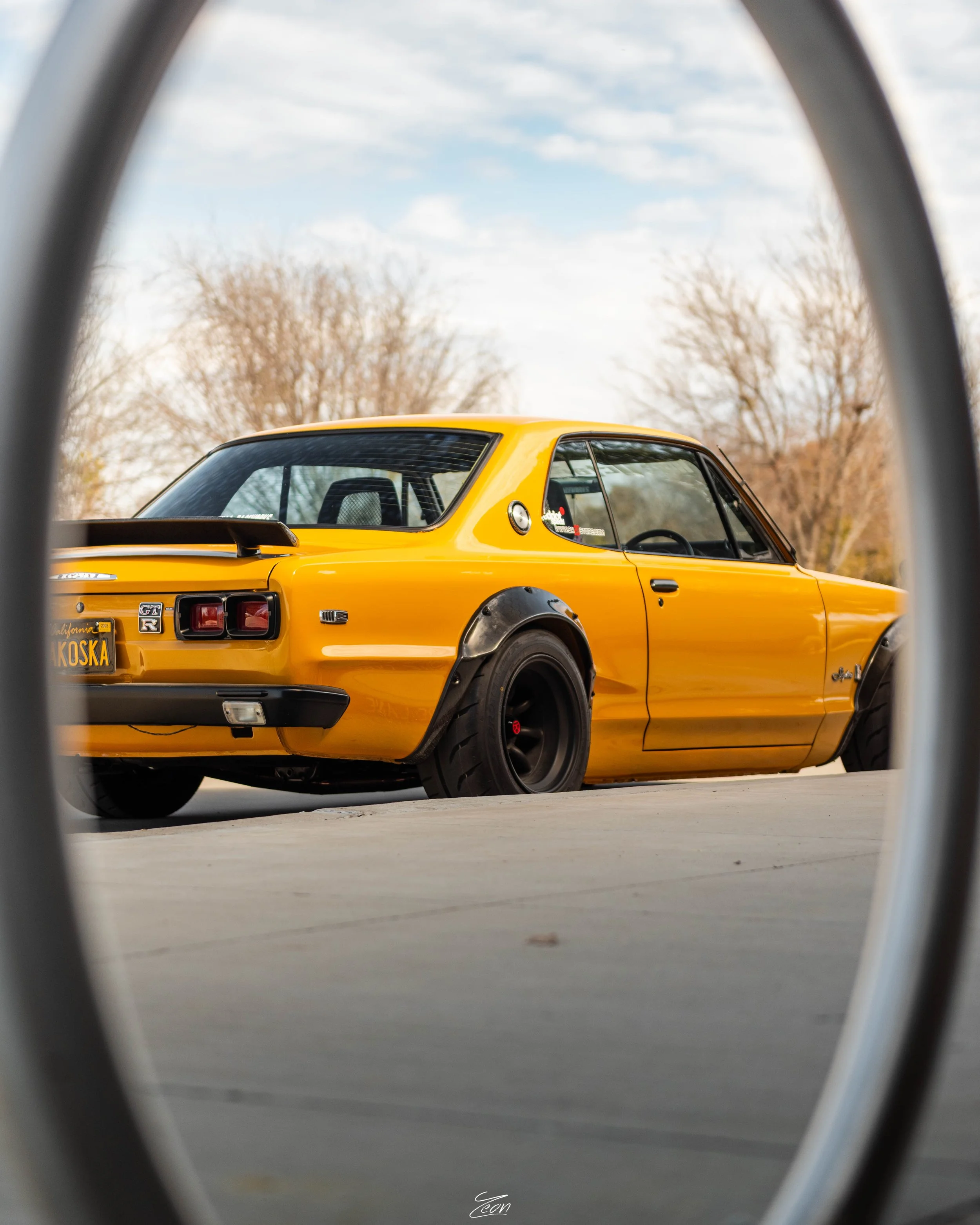
For us, having built Z cars professionally for 9 years at the time of writing of this article, it’s very easy for the history to become lost on us. That typically translates through-out the entire Z car community, as it’s hard to truly grasp the roots and origins of the inspiration, design, and character behind the Z series. The Datsun and Nissan Z Car lineage is arguably one of the best selling Japanese sports cars of all time, but rarely do we ever stop and ask why?
Did Nissan just fall into a design and manufacturing niche that stuck with the world? Or was there a predecessor that set the standard for all of Nissan’s engineering and design ethos moving forward? For Americans, there is a missing piece of the historical puzzle that we never had access to, and until you experience it, you will always find more questions than answers. We certainly did, until we got to see the true father of the Z car, the Hakosuka Skyline.
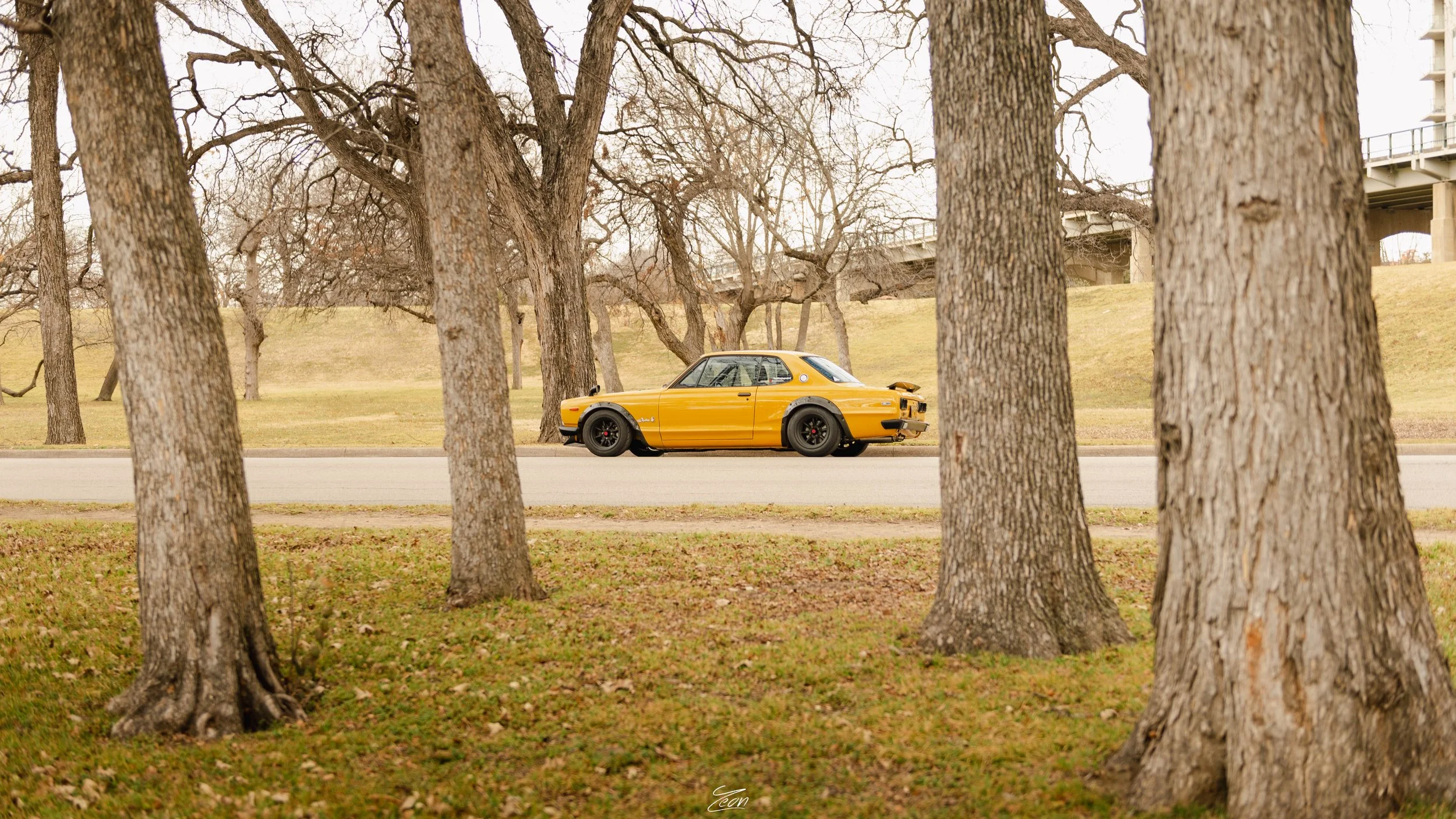
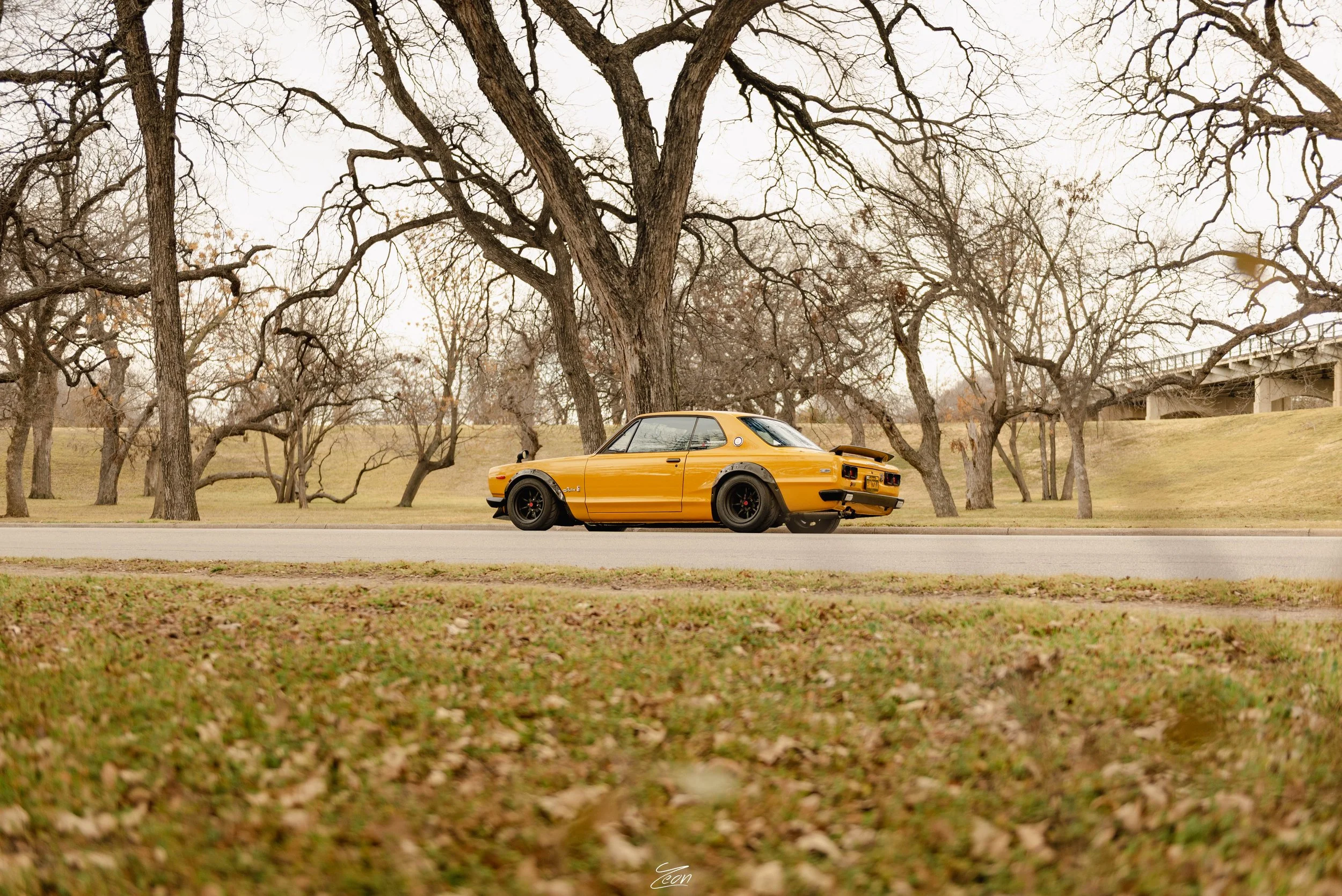
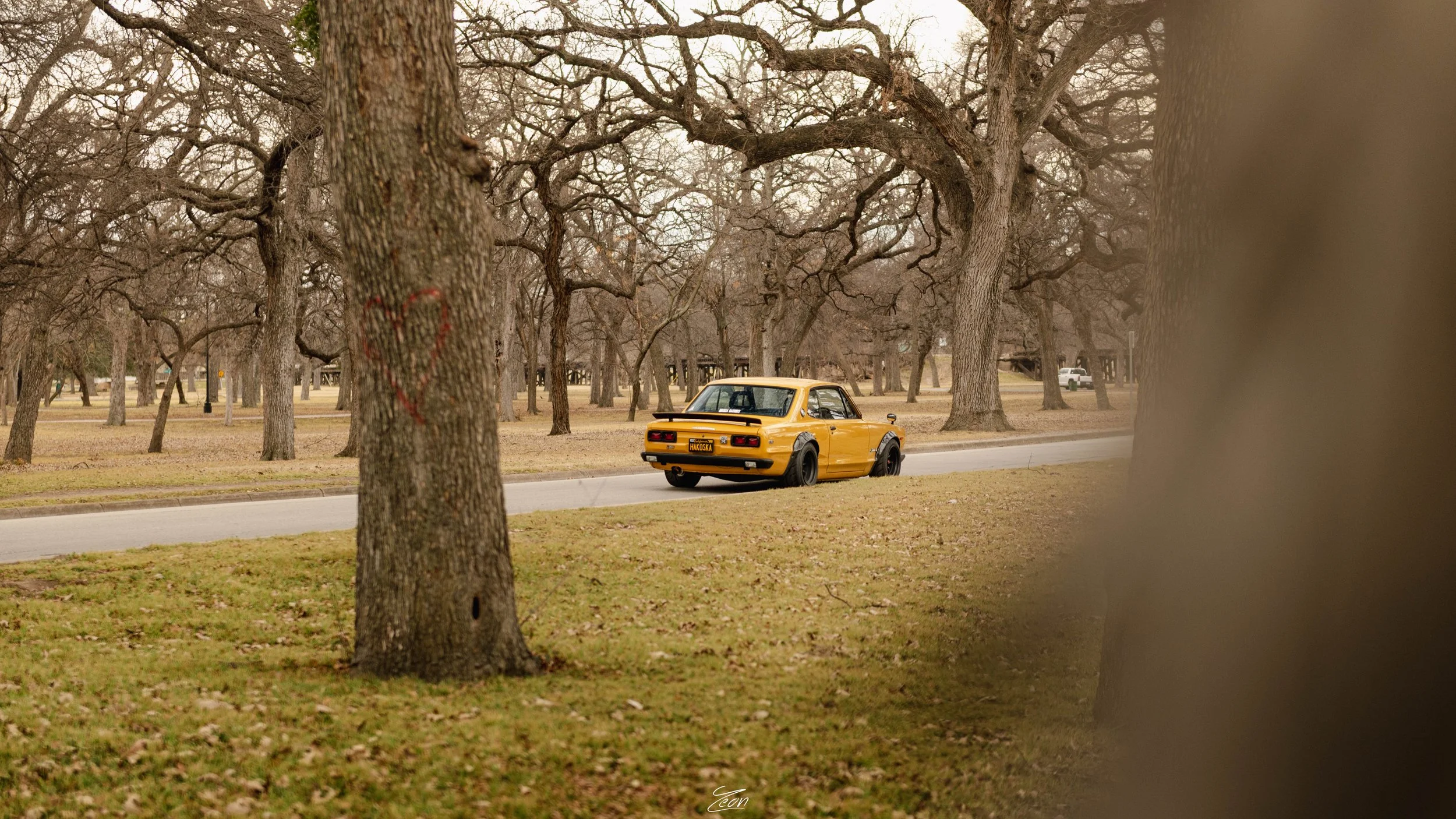
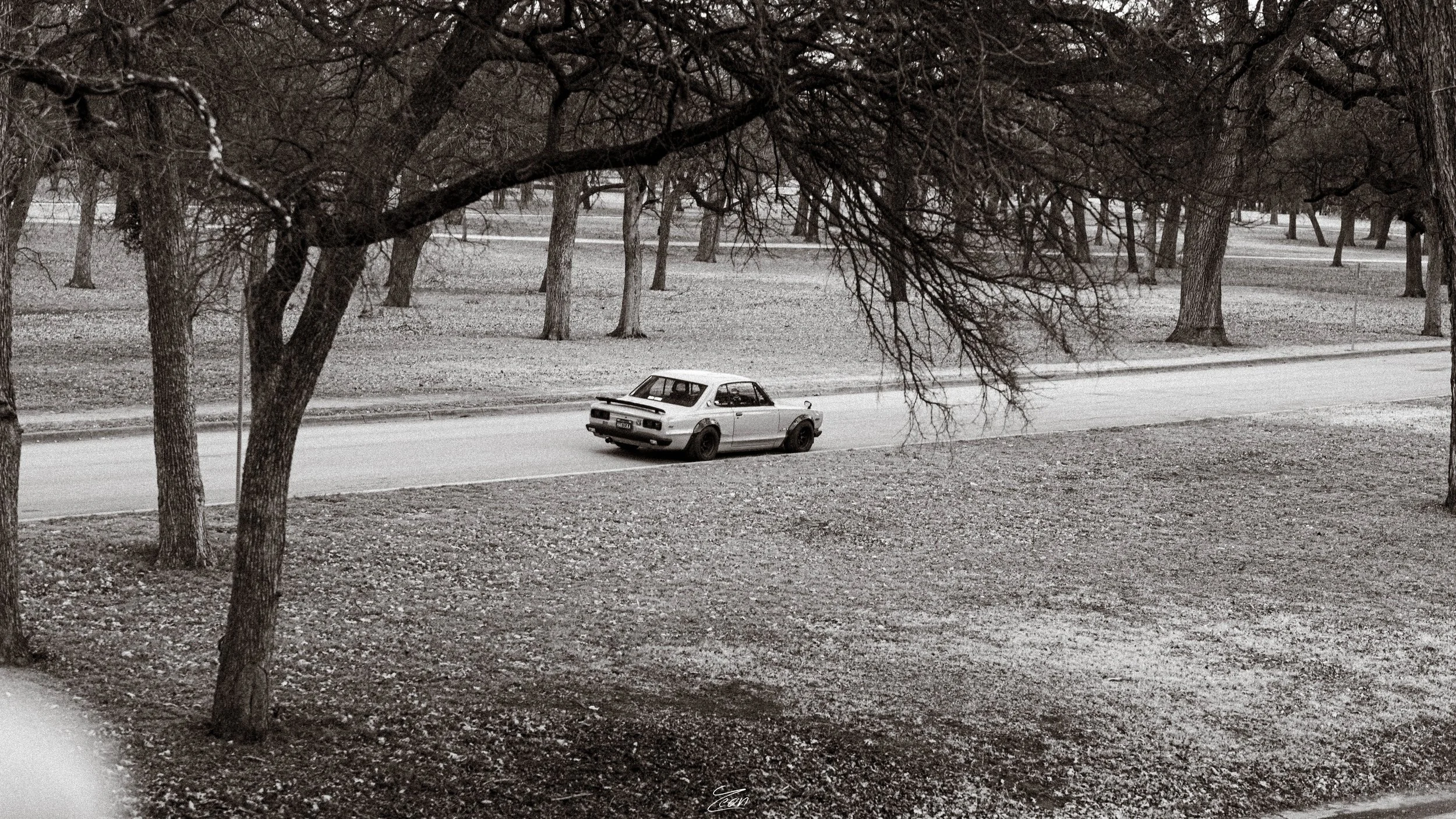
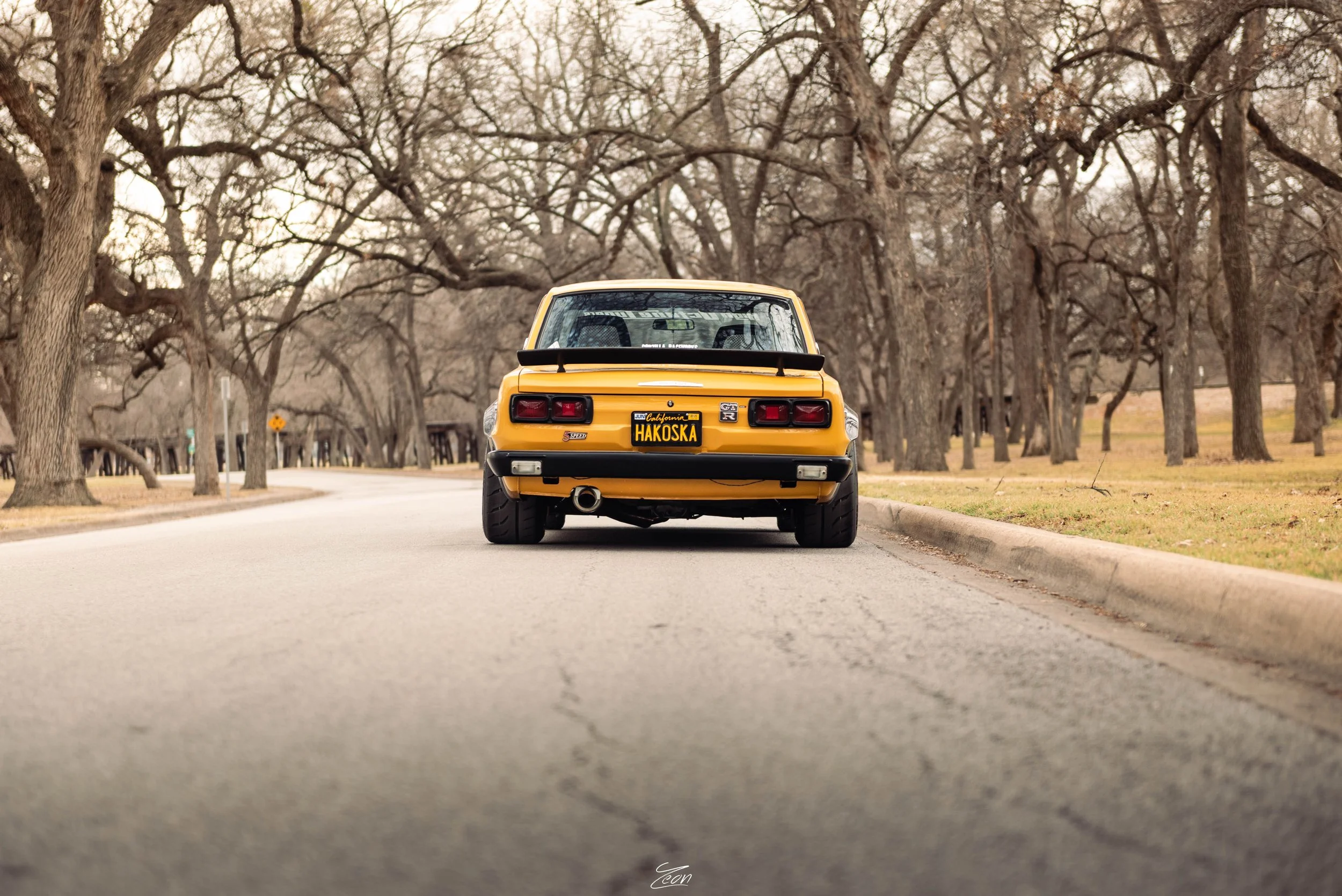
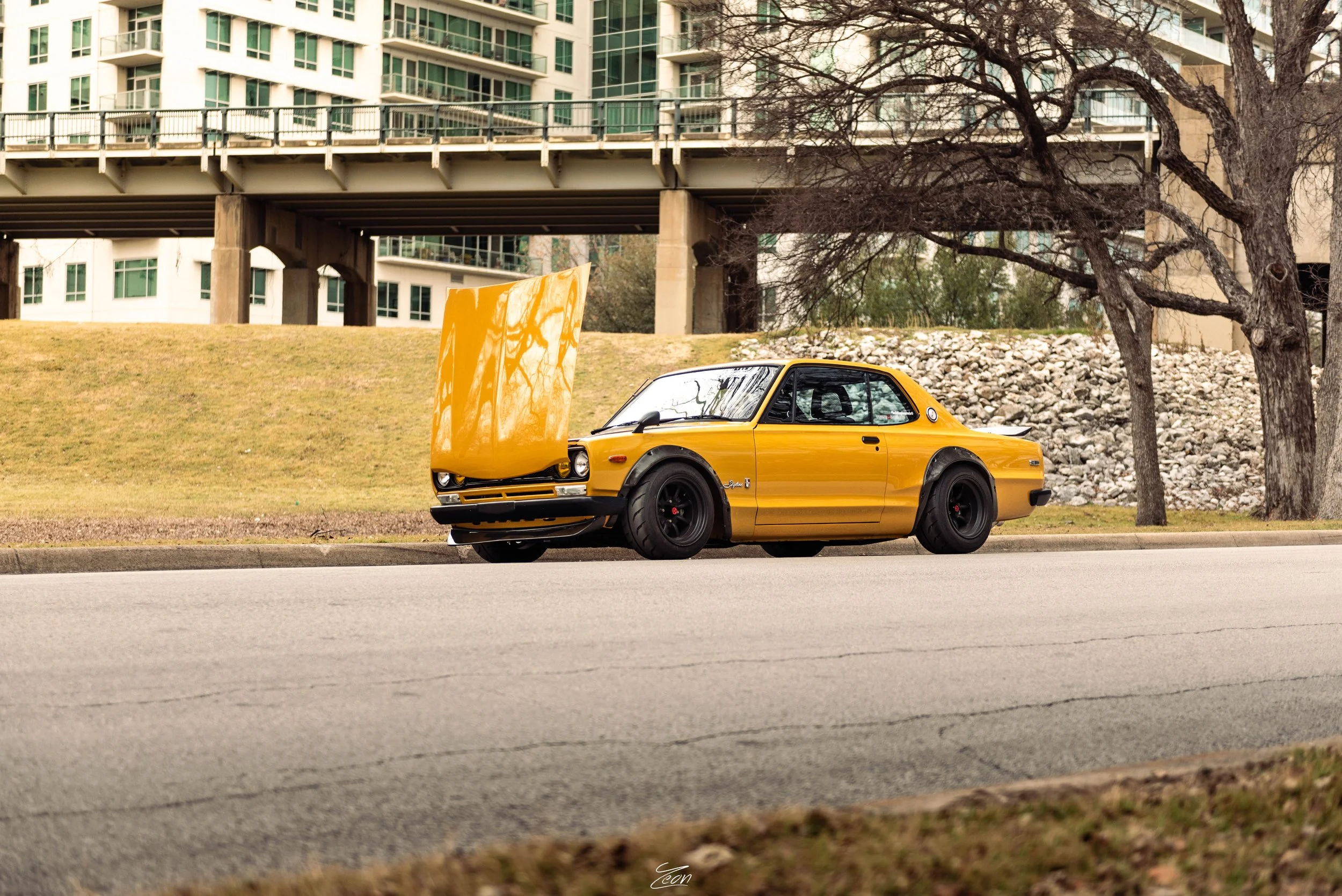
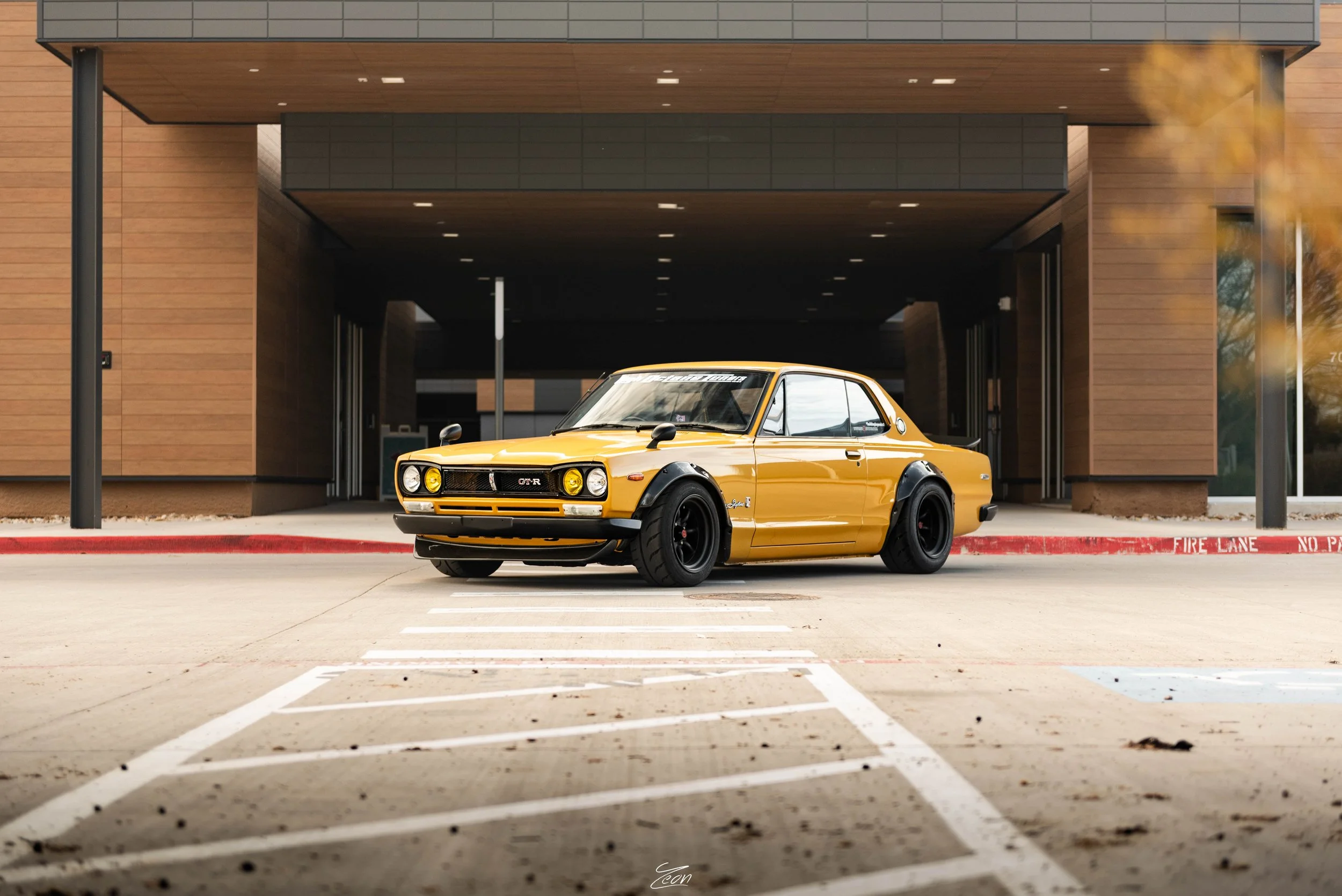
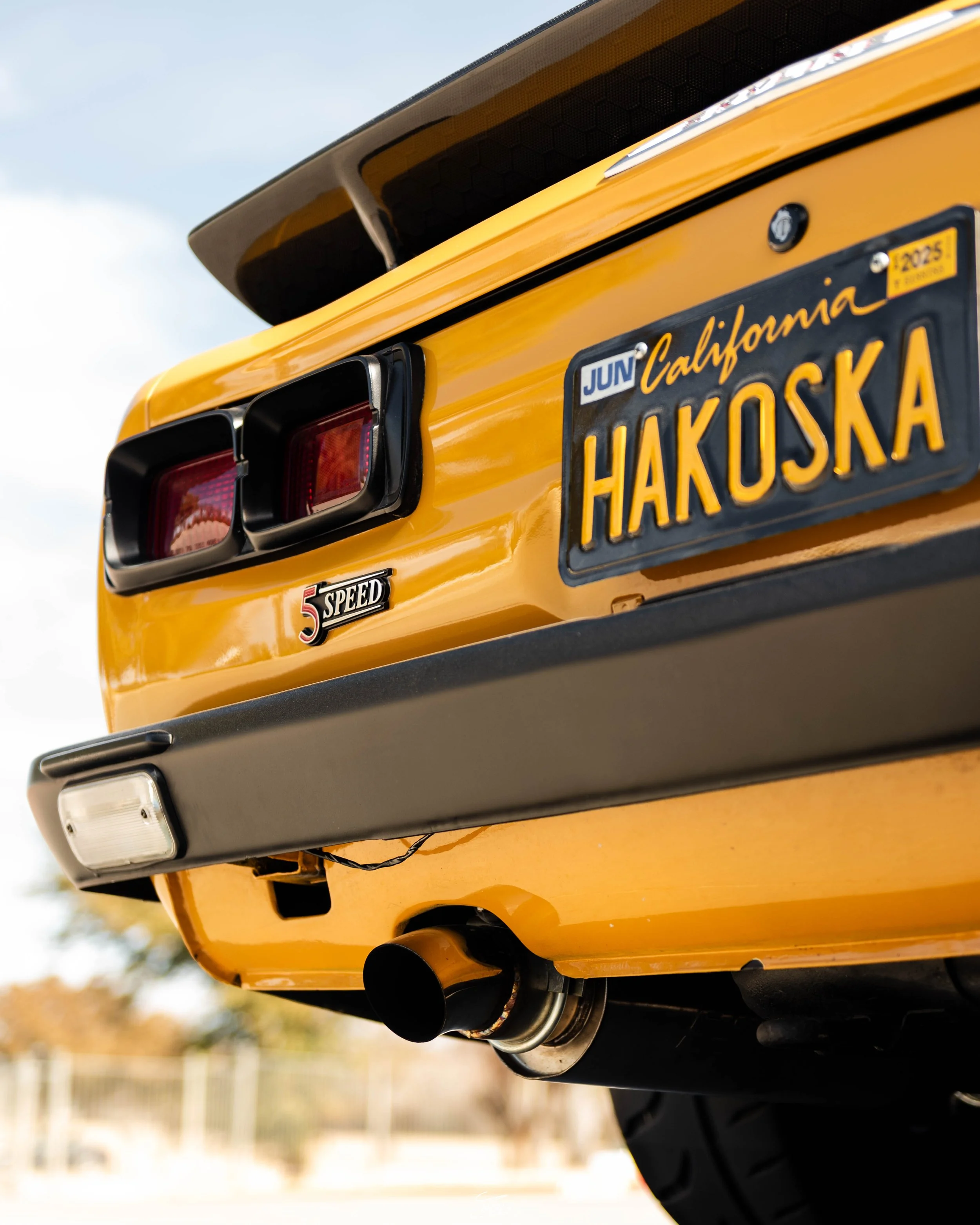
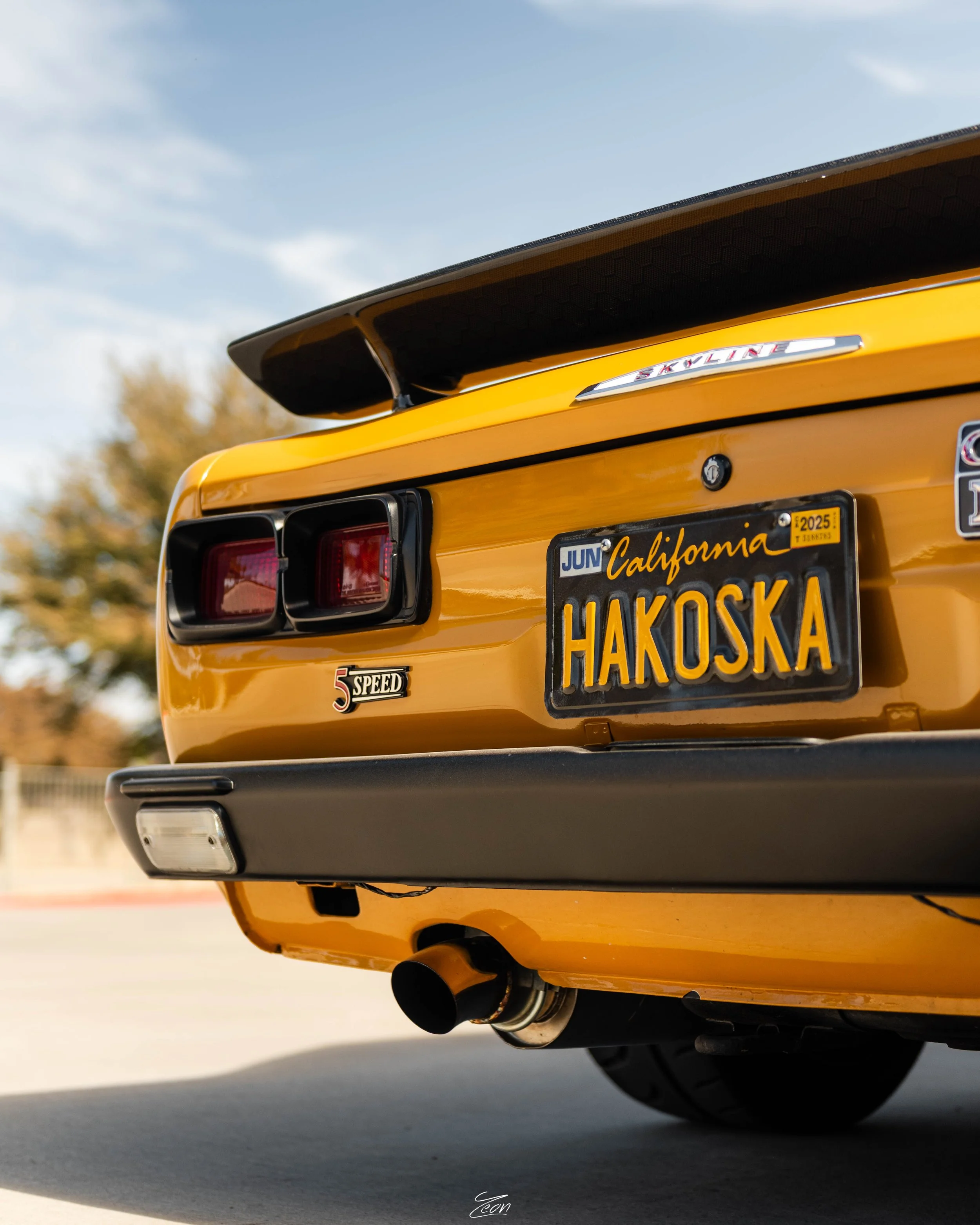
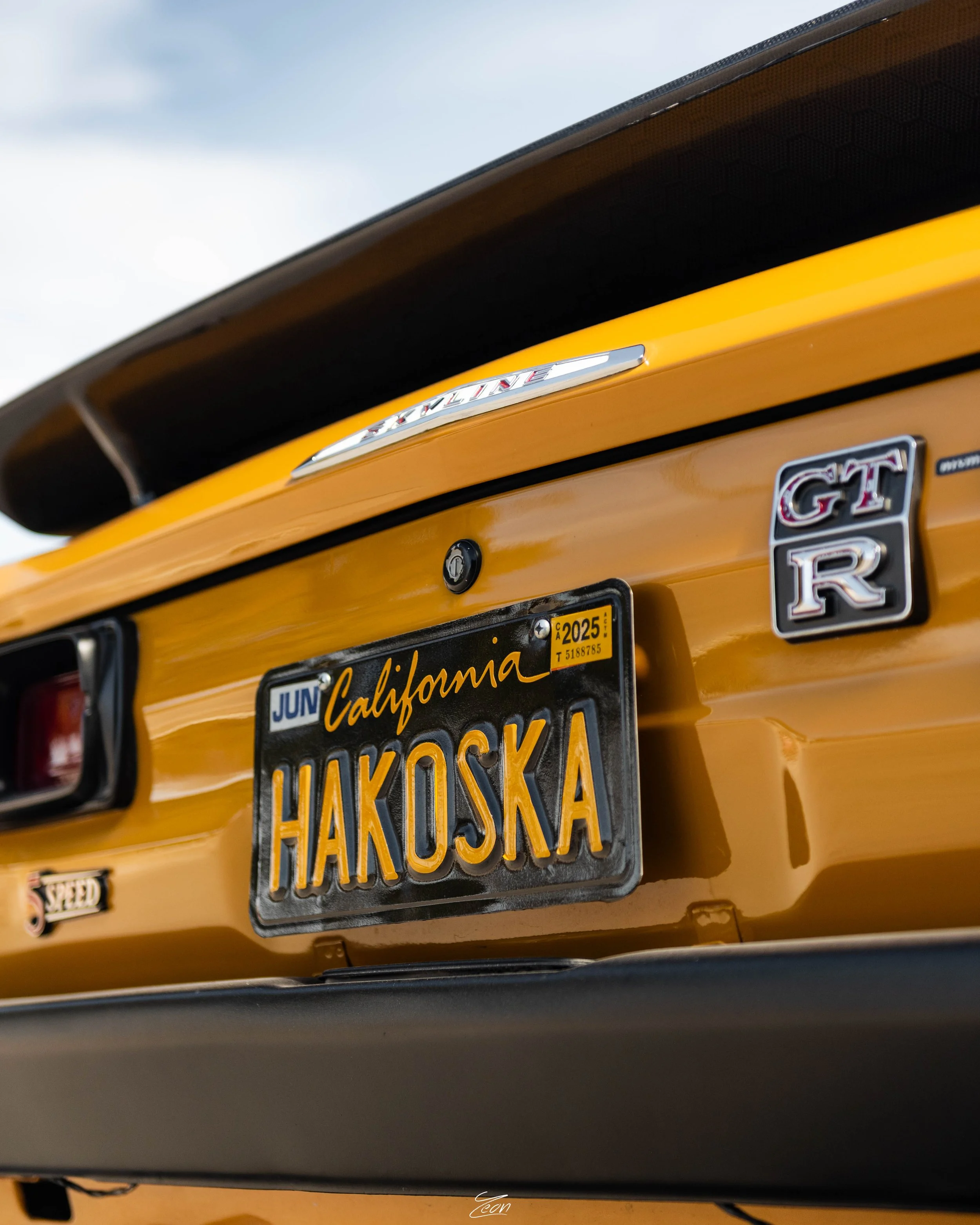
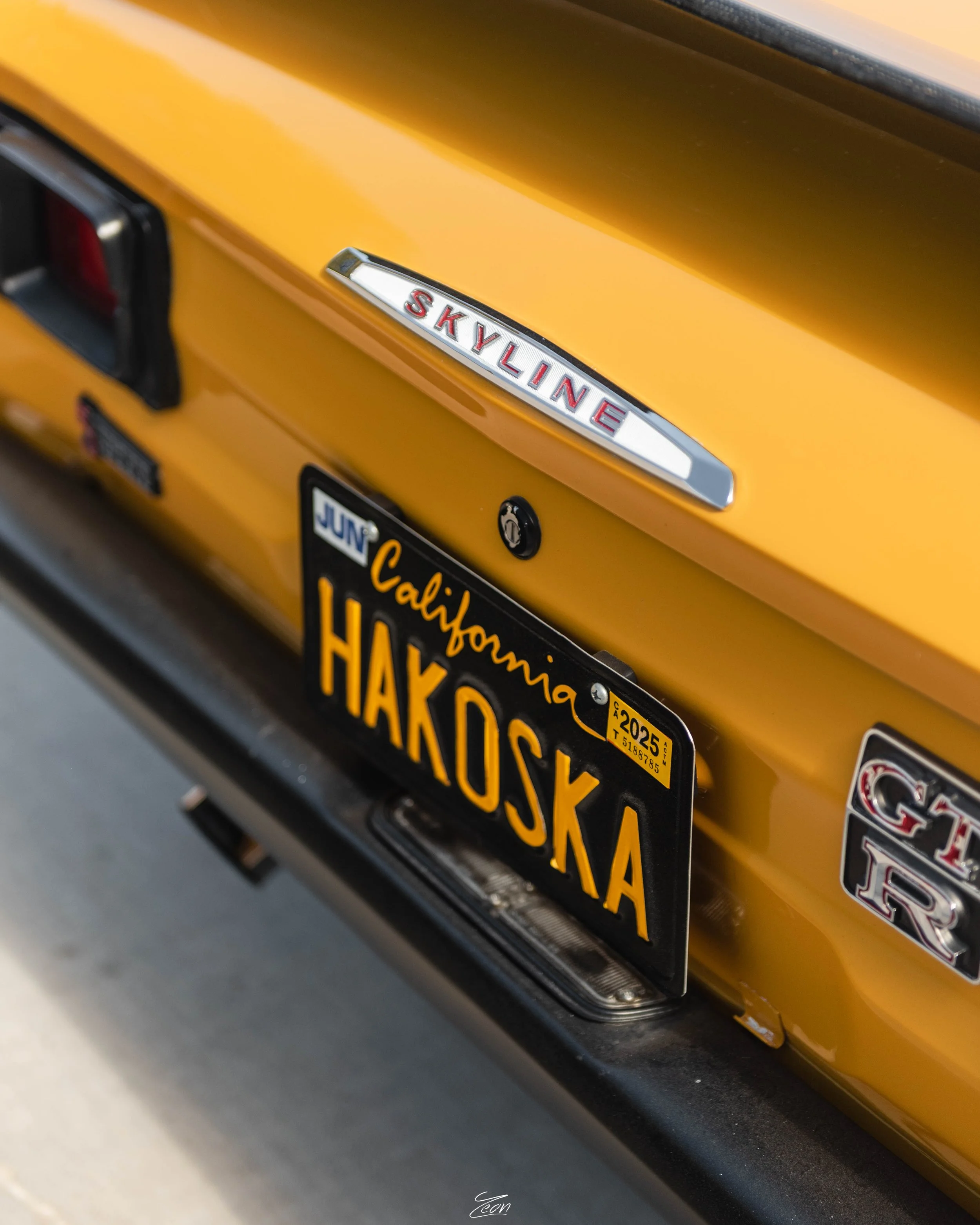
On the outside, to the untrained eye, it may look like your average run of the mill Datsun 510, or some other small boxy Japanese import, but there is so much more to it than that. You can take a look at every single piece of this car and see the evolution into the Z car lineage. It’s raw, mechanical, unassisted driving experience, it’s light and nimble handling characteristics, and when modified to pay homage to the original racing culture of the era, it’s unmatched character.
We were absolutely honored to be a part of Mr. Regalado’s Hakosuka Skyline build, shipped in from the Bay Area in California for some much needed upgrades. The initial conversation began with one of our TL70 6-Speed conversions, as well as our capabilities across multiple staff members to handle complex wiring problems, and subsequent solutions. We have worked very hard to build the reputation we have in today’s Datsun and Nissan community, and we saw it as a huge compliment that we were picked over other shops in the California area.
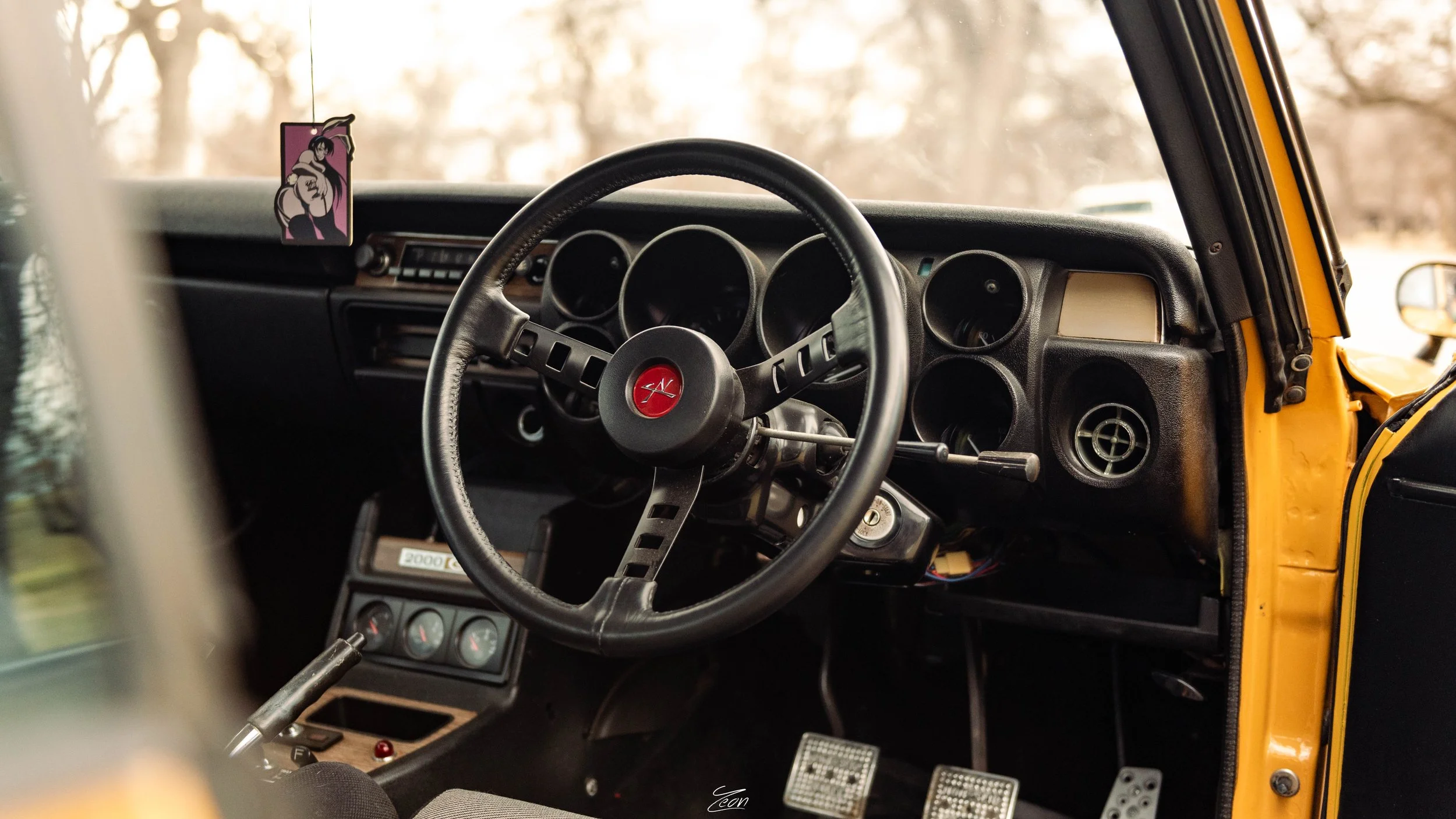
Mr. Regalado committed to the TL70 6-speed conversion, as he wanted a modern gearbox, that could take the abuse of the 3.0L Rebello stroker engine, but also deliver a modern feel. The factory 5-speed gearbox although formidable, lacks available rebuild parts, and as the market shifts toward obsolescence and modernization, the two choices you’re left with are hope it doesn’t break, or get ahead of the curve and modernize. Part of that modernization package requires updating to some sort of a GPS speedometer, whether that is a GPS servo motor that can drive the OEM cable, or go with a set of Speedhut gauges. We are lucky enough to have partnered with Speedhut on bringing our 280zx livery gauge set to market, so we took the same approach with the Hakosuka gauges. Although modern designs are awesome, we wanted to contribute to the original character of the vehicle, so we opted to match the OEM livery. We also partnered with Lunarloox for a completely 3d printed gauge inlay, which allowed us to completely preserve the OEM gauge cluster, and not have to modify any of the super-rare OEM plastics or housings.
Another goal for Mr. Regalado was to eliminate any weird electrical quirks that crossed over from the previous ownership. The vehicle had some wiring hacks performed to it that did not pass our standards, and nor did it pass his. He supplied a combination of new GT-R and GT-X harnesses, which we sifted through and modified as needed or replaced, and when we couldn’t get things to work, we repaired the OEM harness. Since this car is technically a GT-X, the GT-R harness wasn’t a 100% match. Luckily after much head scratching, and a message to one of the techs over at JDMLegends, Caleb eventually prevailed and the electrical system was back up and working as designed from the factory.
After these main target areas were addressed, Mr. Regalado wanted us to pay attention to a few other key areas. We reached out to Techno Toy Tuning for a set of their Wilwood Rear Disc Conversions to eliminate the old drum setup. At that time we were also asked to see if we could repair his existing seat brackets and rails, as well as install a set of seat belts, as the vehicle did not have any equipped with it when we received it. Upon further tear down of the seats, we found sheet metal and wood screws holding everything together, basically a catastrophic safety issue waiting to happen. We ordered a set of Bride sliding seat rails straight from Japan, as well as tracked down a set of OEM seat belts to eliminate any related safety issues we found.
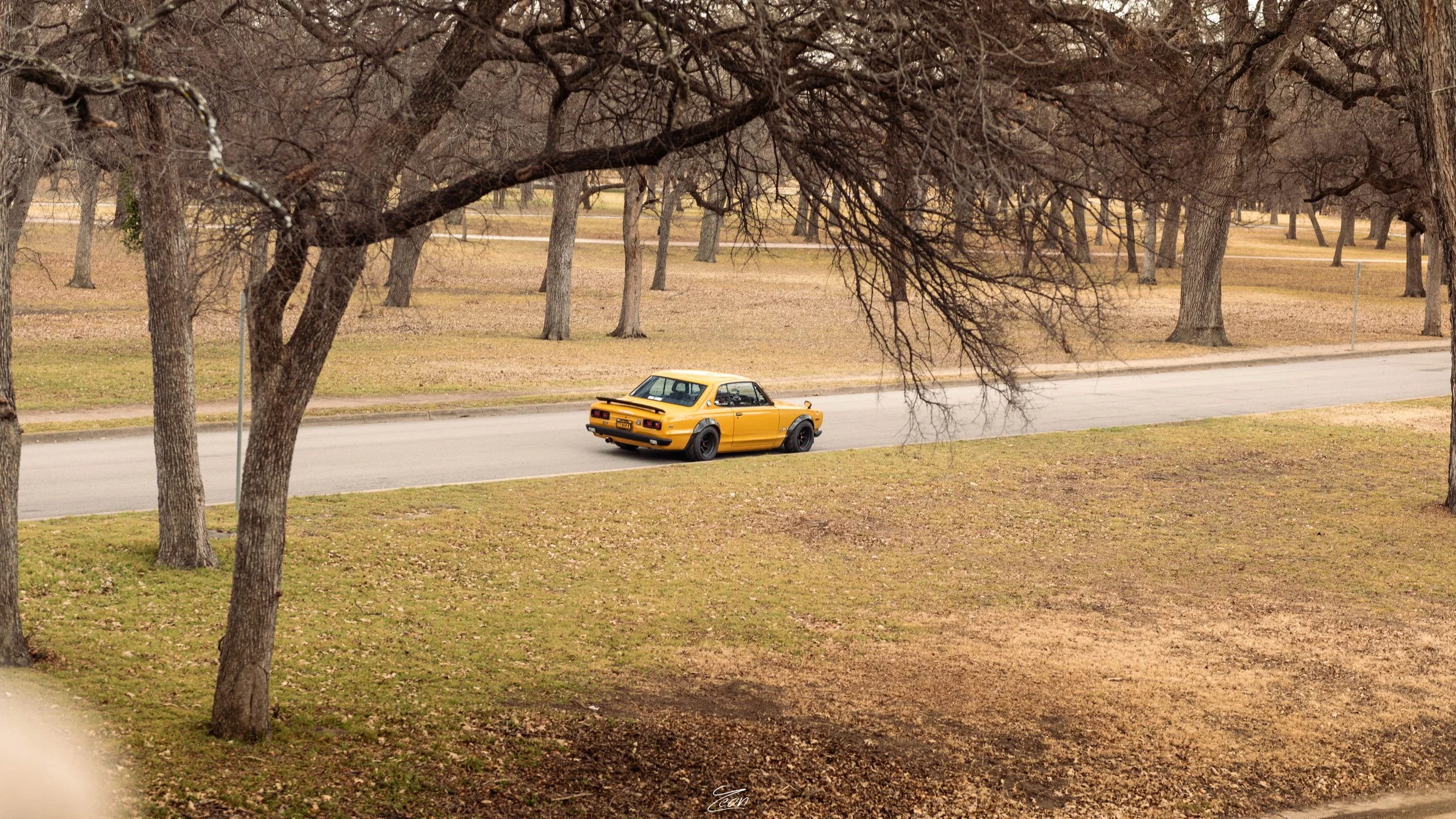
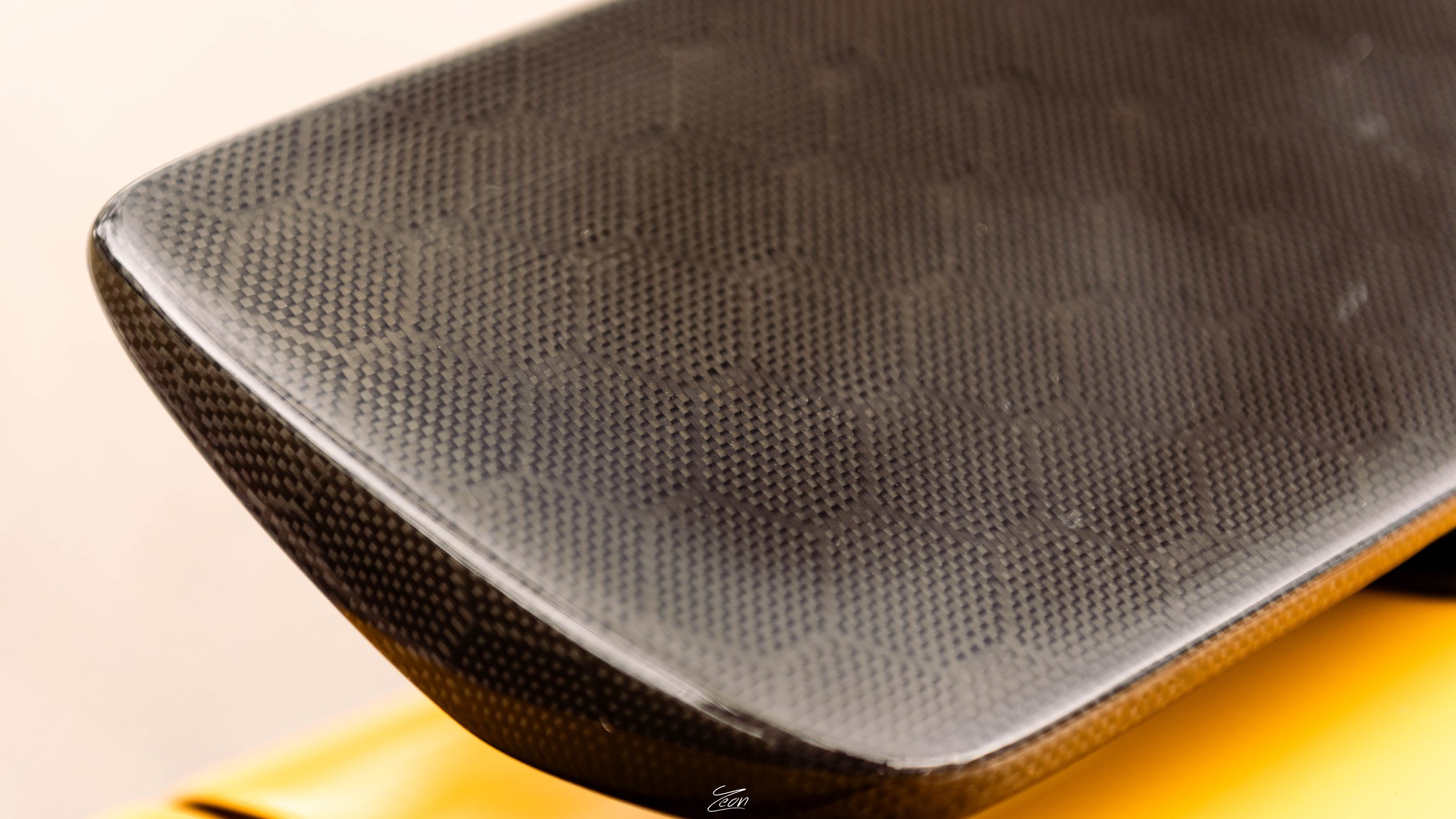
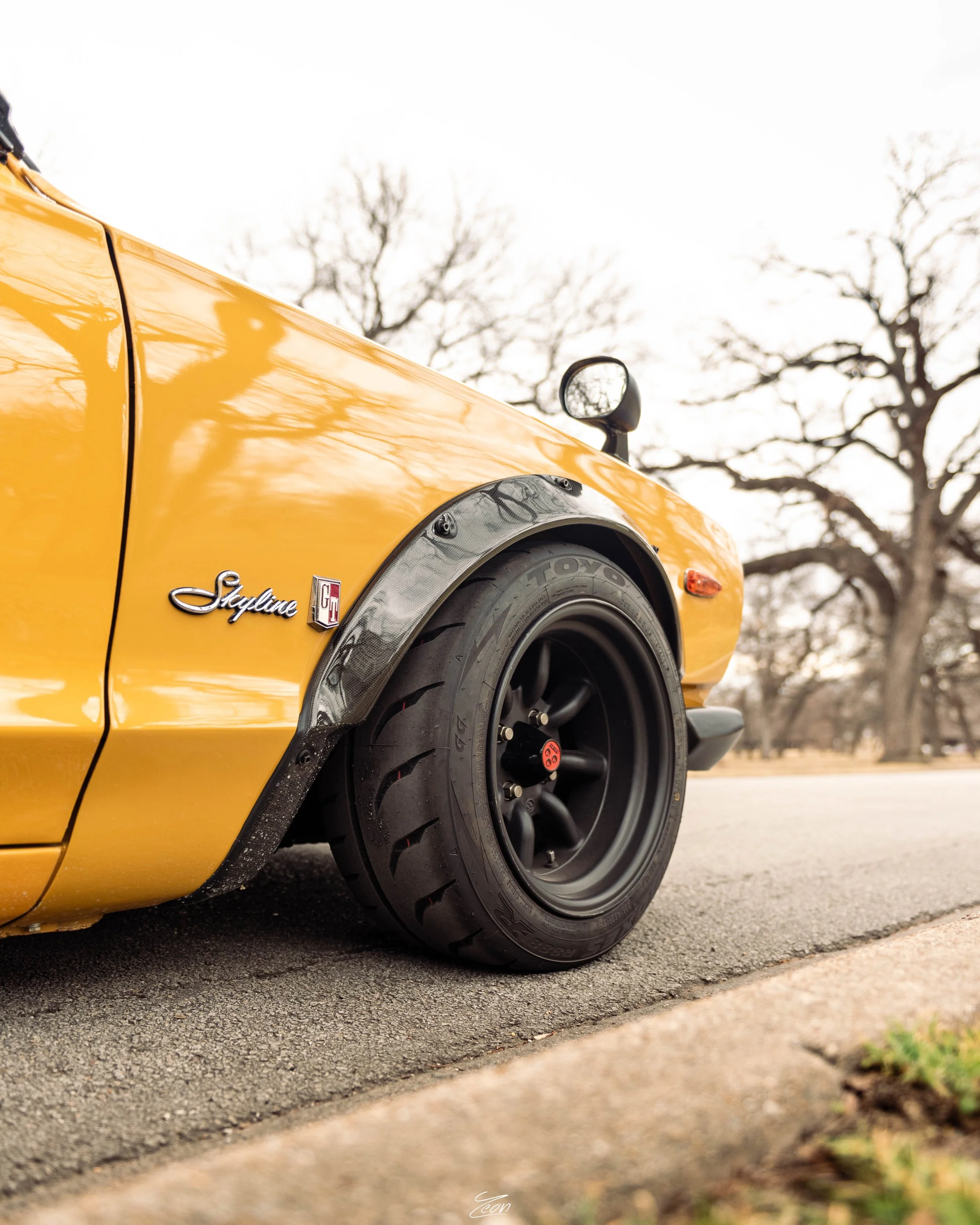
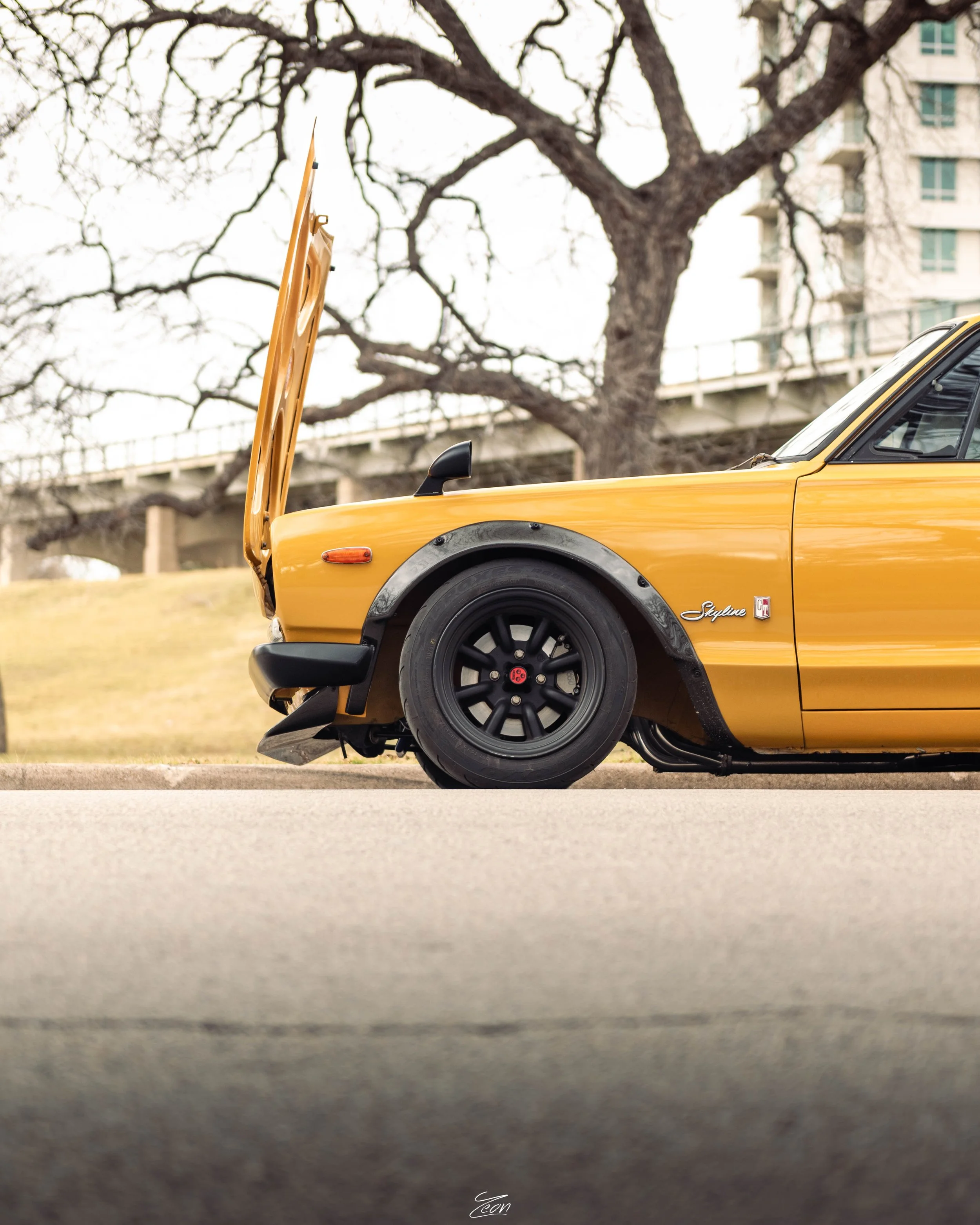
Once we got that squared away, Mr. Regalado wanted us to correct the fender flare mounting. Whoever installed the flares previously installed them very poorly, with wood screws, and did not use any gaskets, nor did they properly trim the fenders for suspension and steering articulation, nor did they properly line up their drilling points. It was an absolute mess, and should be considered criminal if this was a shop who performed this level of incompetence. Caleb started over from scratch, measuring all 4 sides to ensure they were as even as possible, re-using whatever holes he could to avoid drilling new ones, and drilling new holes only when absolutely necessary. We installed rivnuts into the fenders to give a more permanent mounting fixture, sourced black titanium hardware with rubber crush washers, and finished off the carbon fiber fender flares with a weather seal, not only to aid in water run-off, but also to avoid the paint from being scratched from micro-vibrations during operation.
From there, we covered several smaller key areas of attention, such as extended road testing to ensure all of the work we performed was up to our standard, and that no issues would arise that we need to cover under warranty while the vehicle is in our care. In most cases, excluding customer supplied parts, we cover our builds with a 1 year / 12,000 mile warranty, and are very thorough for our final inspection process. This includes up to 500 miles of road testing by our technicians, several check-in processes on the lift, and a final paint marker inspection that serves as a visual aid to check off every single component we touched and are responsible for. After the inspection is complete, a signed check list is provided to the client for full transparency, and any issues we find are documented, and corrected before final delivery of the vehicle.
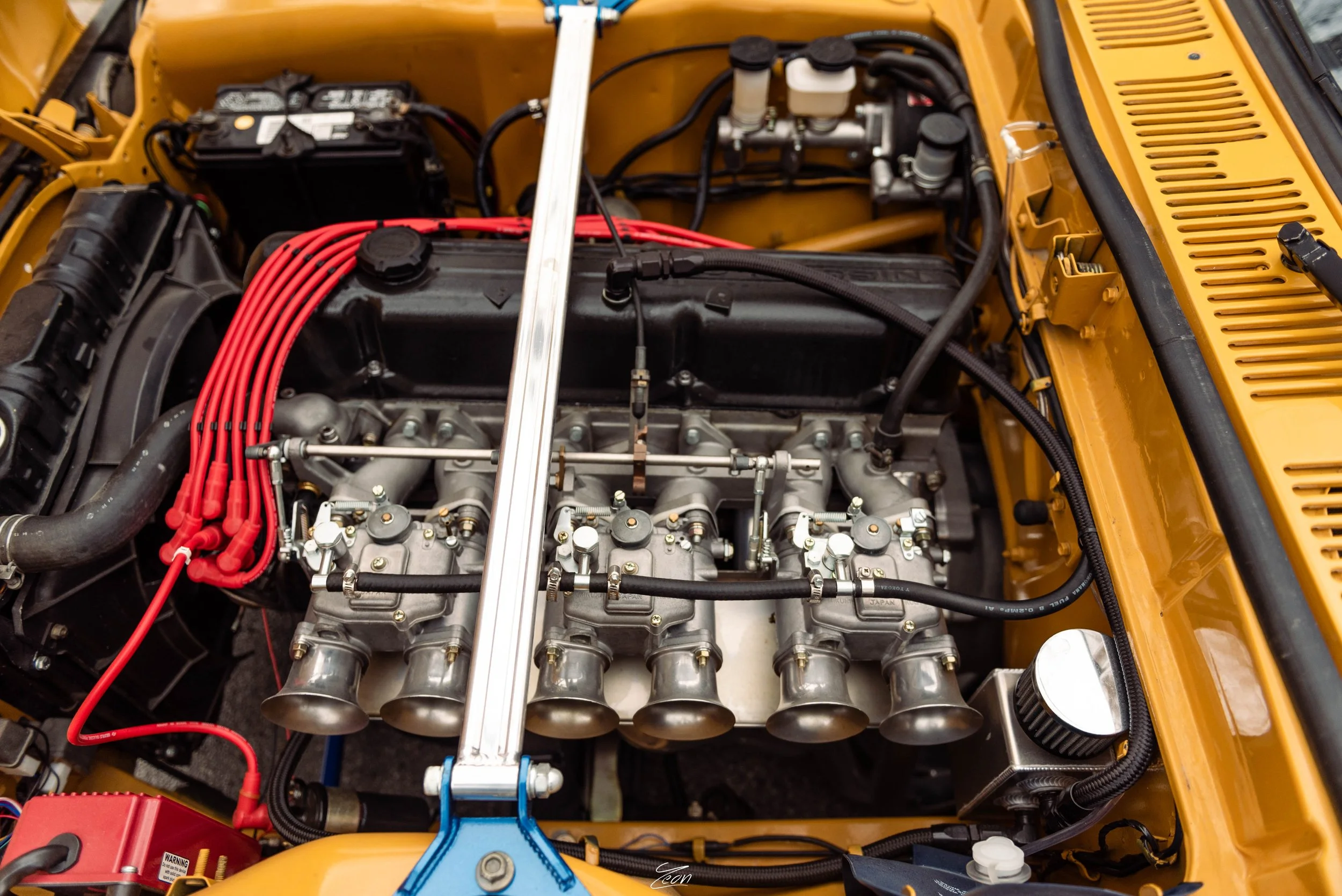
Some of the last minute things that came up for us were the lack of a coolant over flow tank, causing coolant to over-flow from the radiator cap in stop and go traffic. Although the OEM design is this way, eventually if you are not on top of your coolant level, this can lead to an overheating condition. We offered to update it to a more modern design, with a billet aluminum overflow tank, which he accepted. We also found some minor issues with the throttle cable geometry, either performed by the previous owner, or a previous shop. Luckily the issue happened in our care, so we were right there to correct it and ensure the issue was resolved permanently.
This car was truly an honor to have in our shop, perform work to, and be a part of. It truly is a testament for Japanese engineering of the era, and we can see why this car was never exported. This car is truly special, and we can see a world where Japan wanted their true pinnacles of engineering to stay in their home land, for their people to enjoy almost exclusively. But having experienced one of these cars here, we now get it. We have the full picture as to why the Z car evolved the way it did, and why eventually the GT-R would be re-born and receive the nick name “Godzilla”. This is also why, our company chose the name Godzilla, because although we previously have never been involved with one, we always knew the roots of the Z Car lineage started with the original Nissan Skyline GT-R.
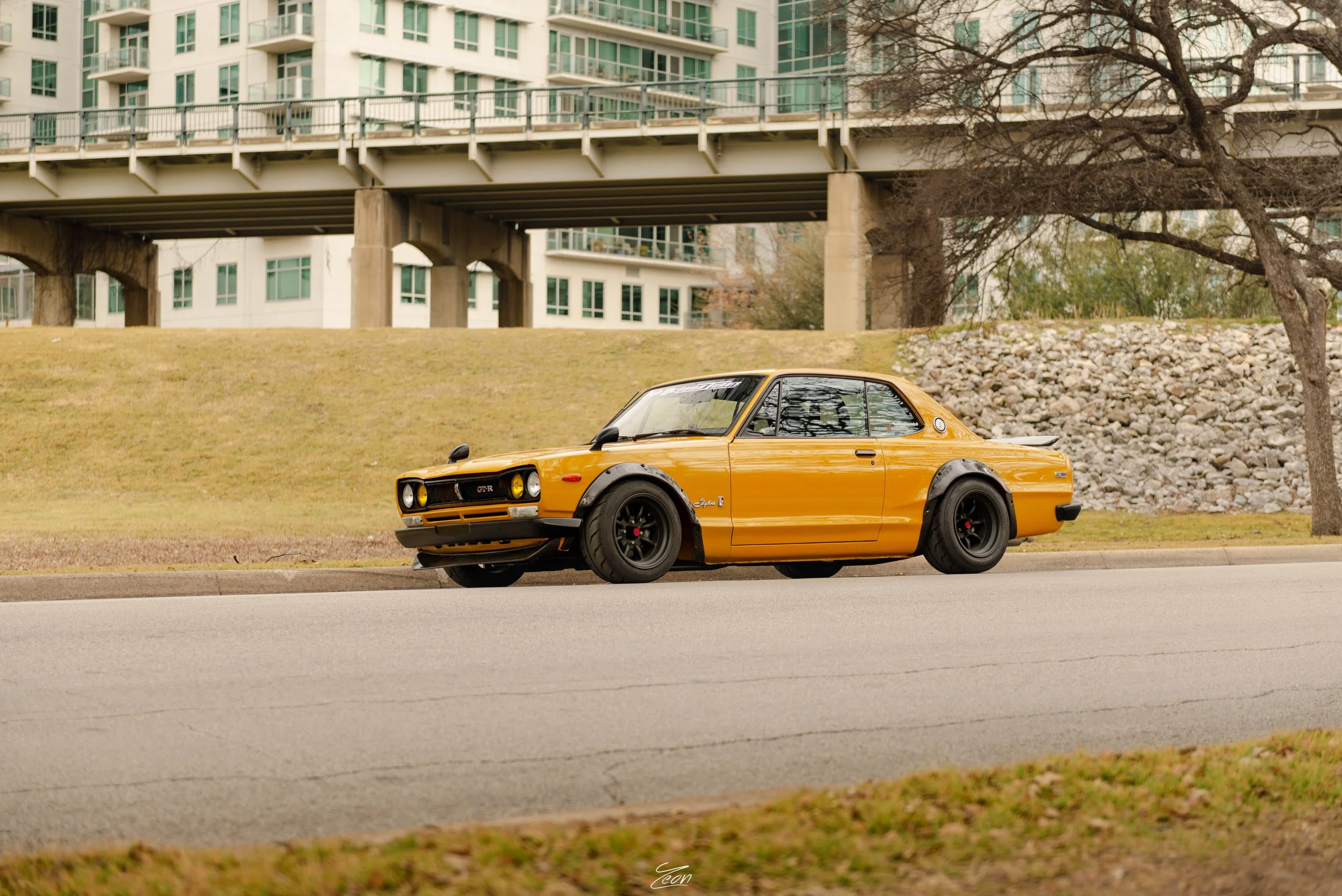
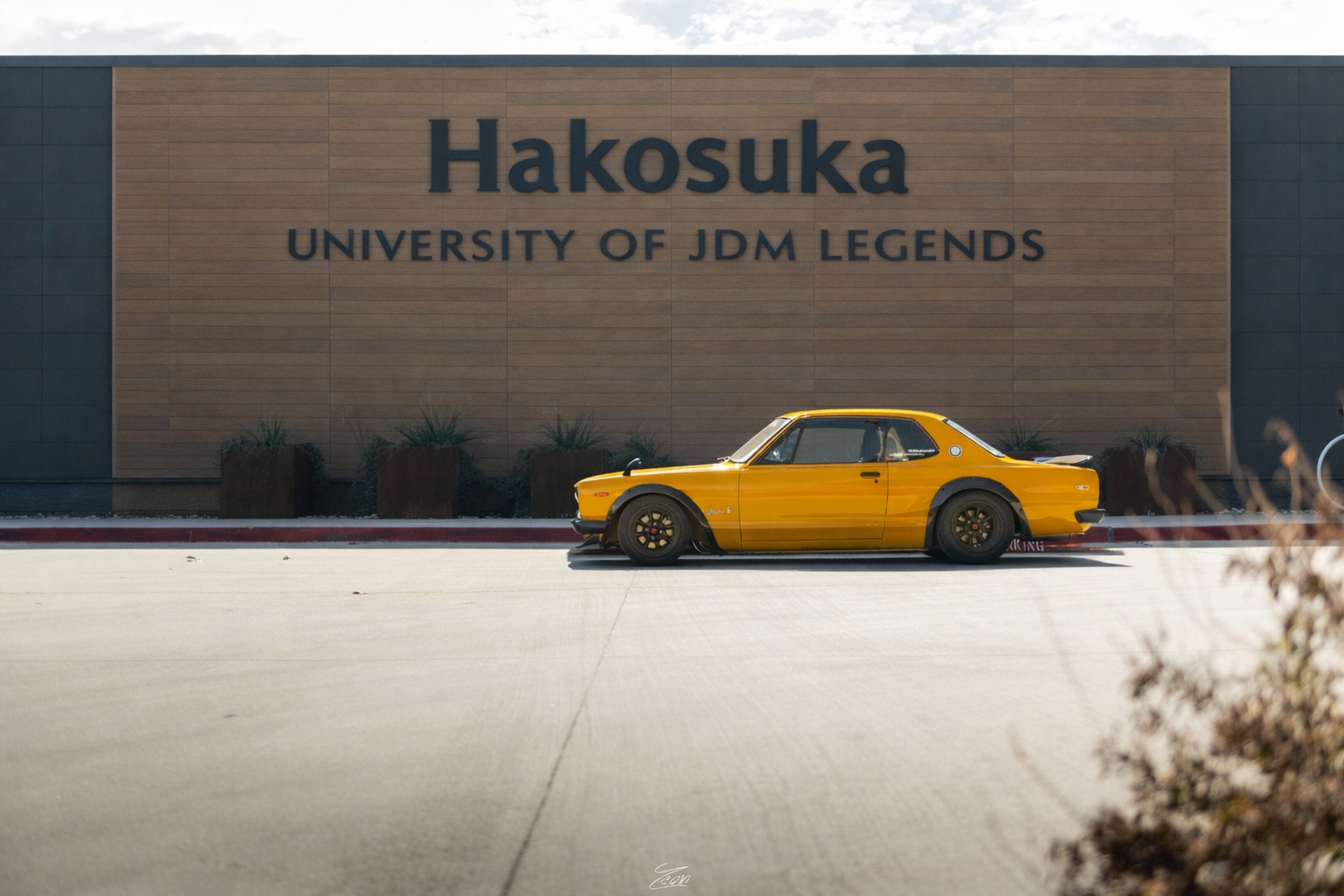
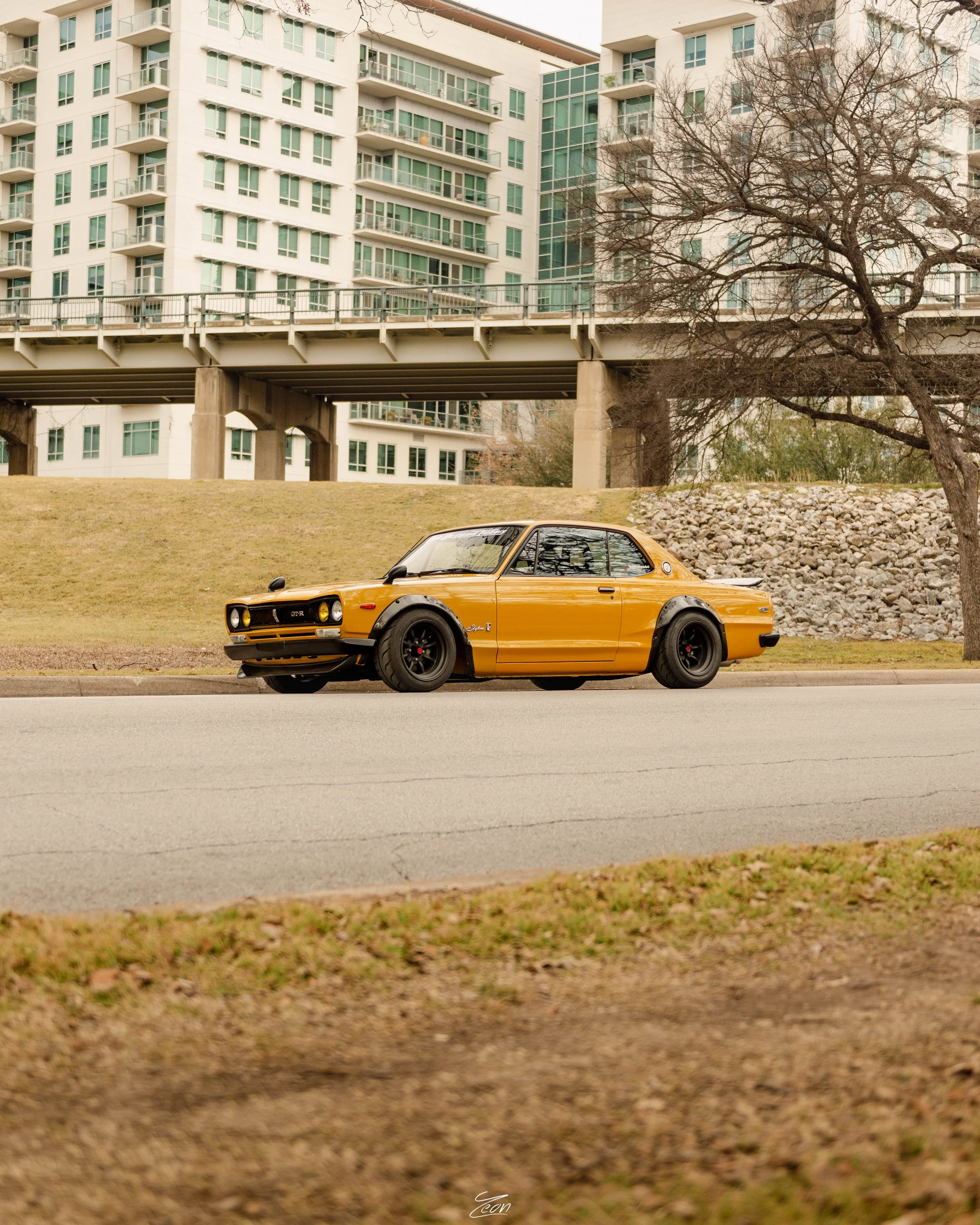
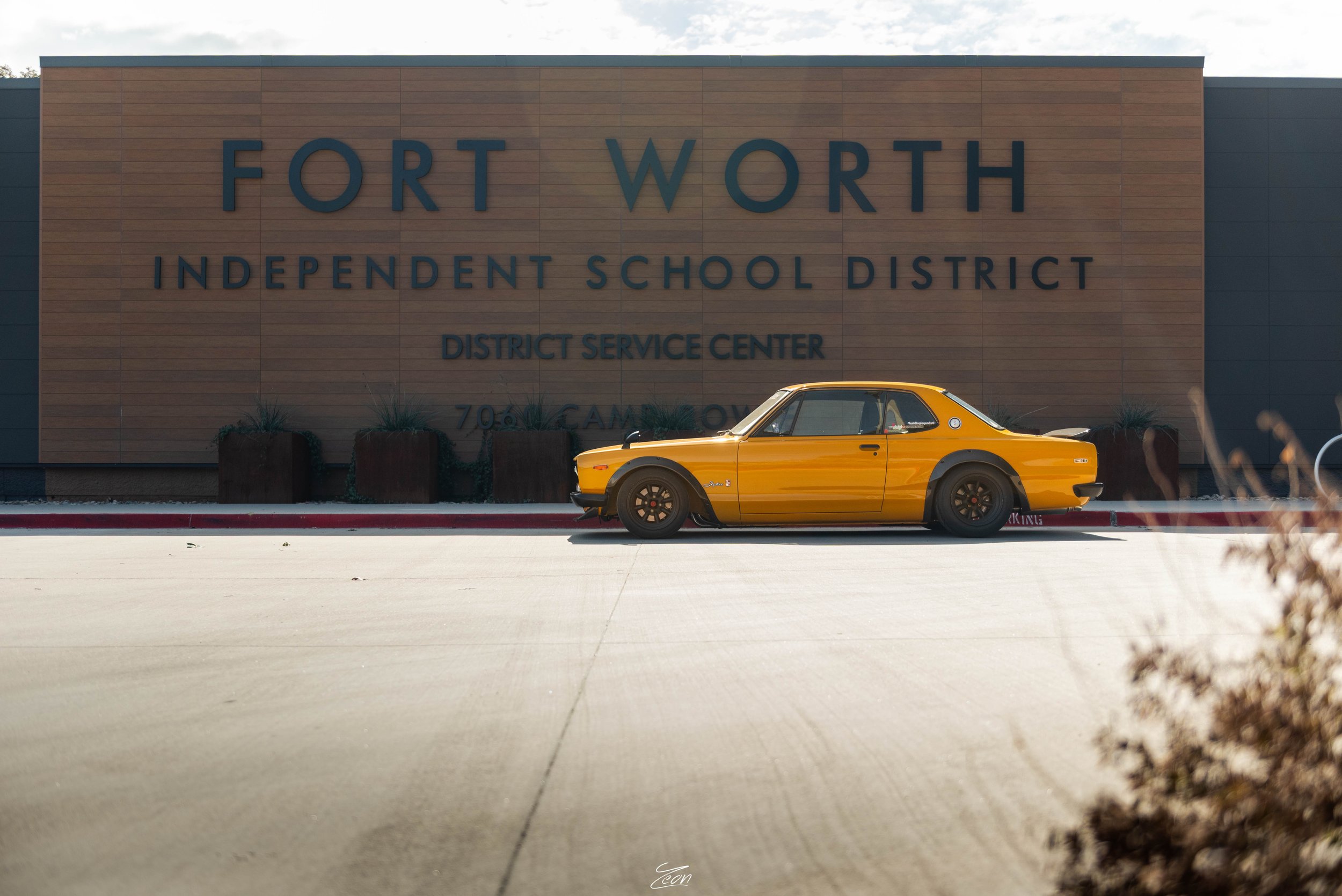
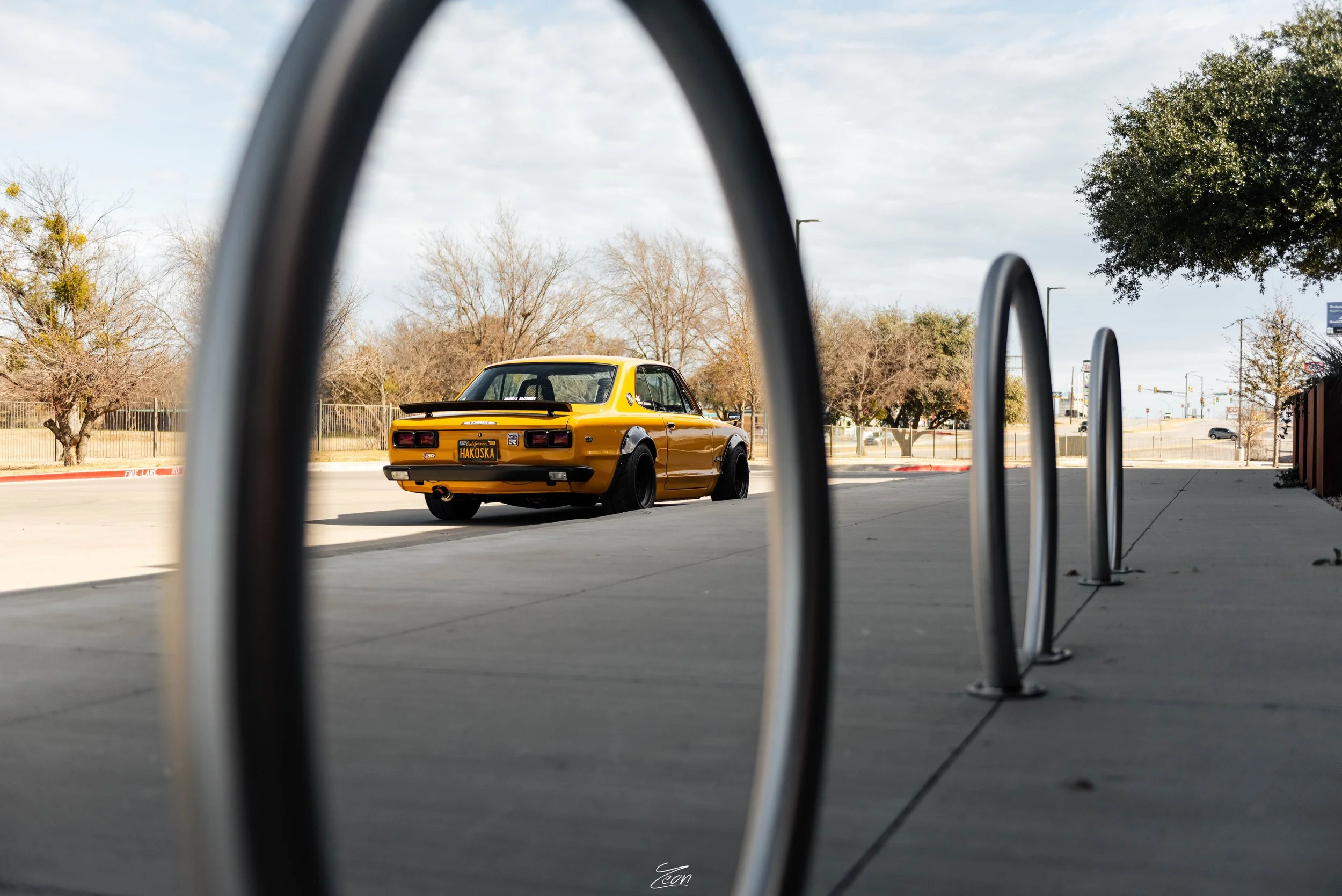
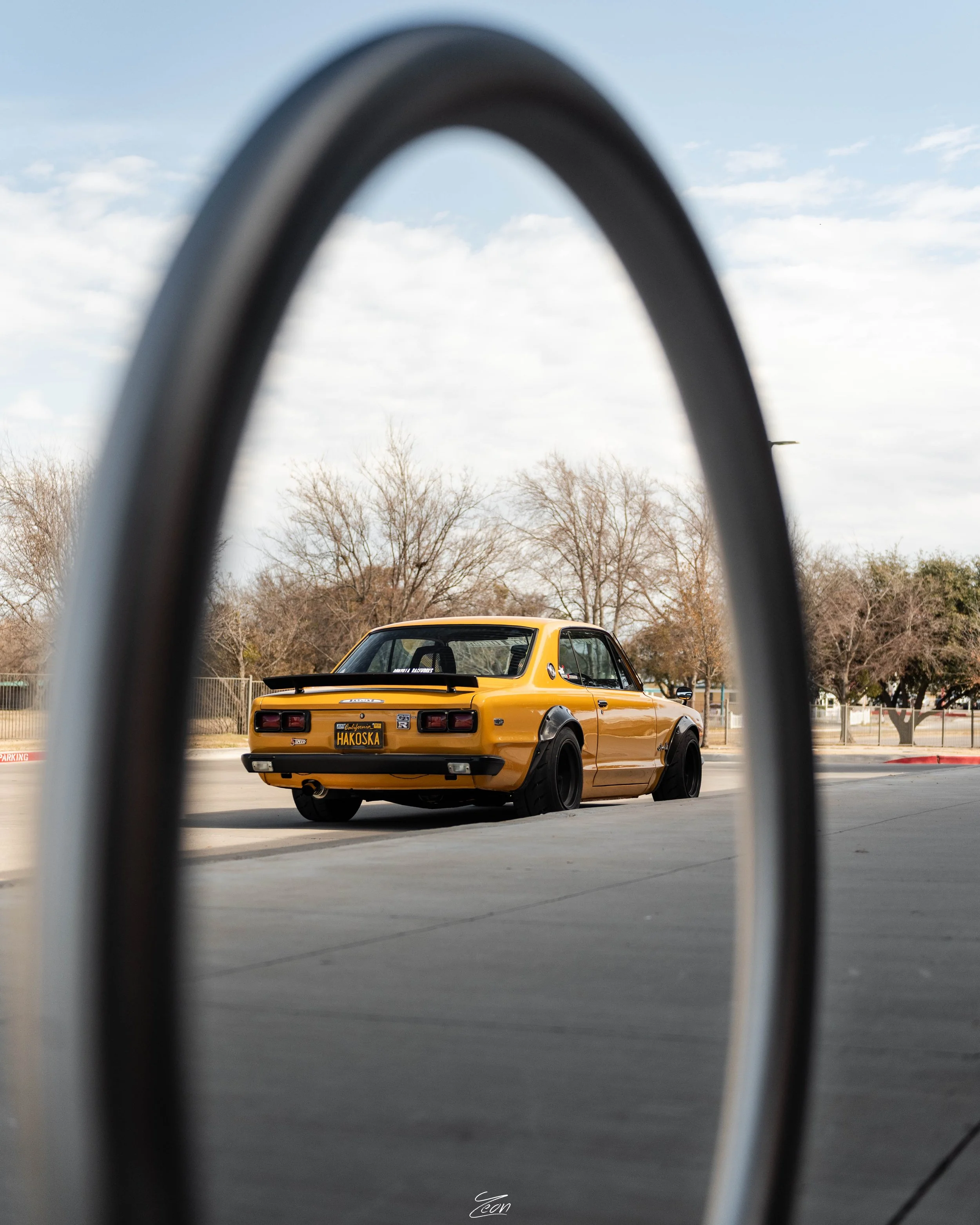
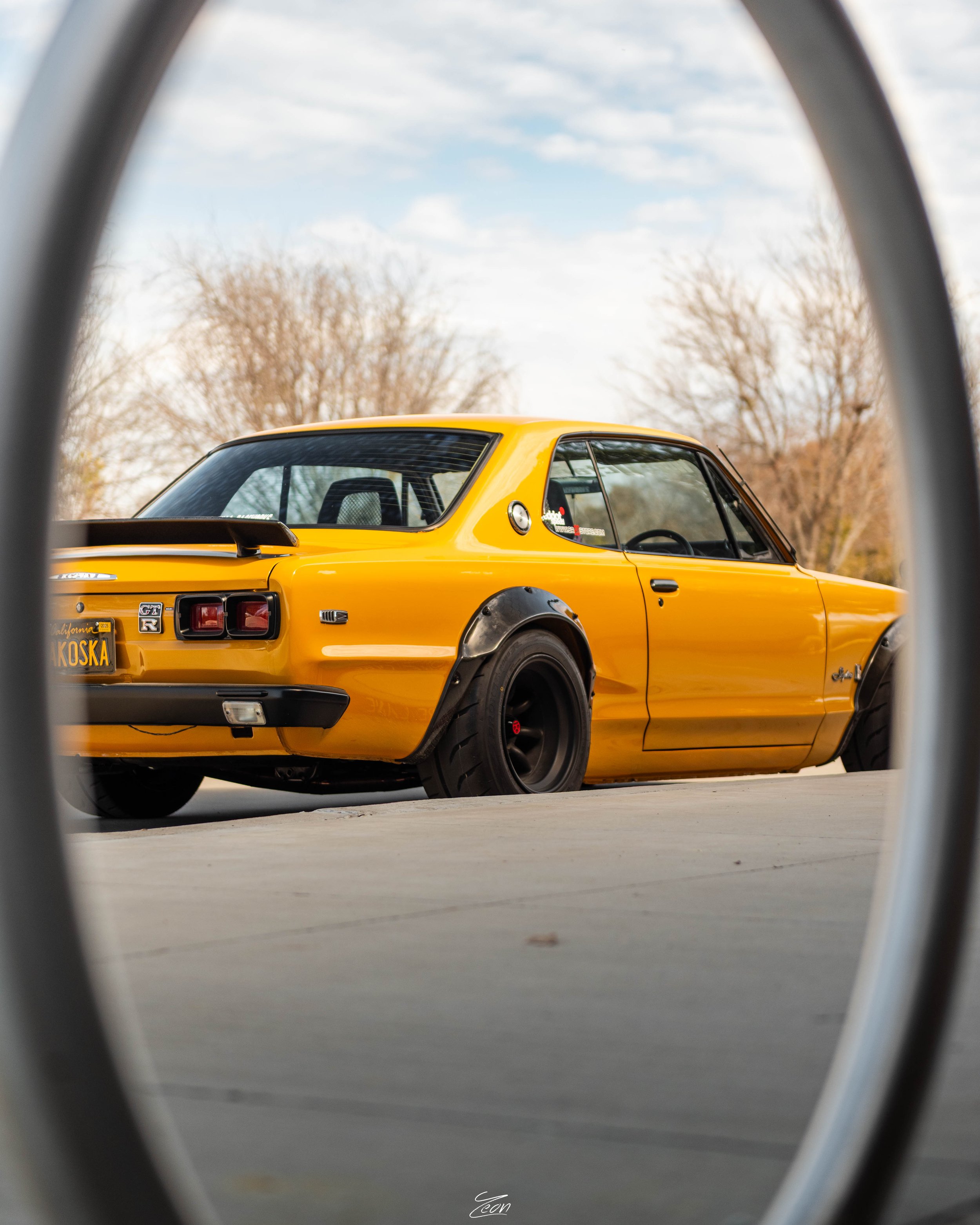
ENGINE AND DRIVETRAIN SPECS
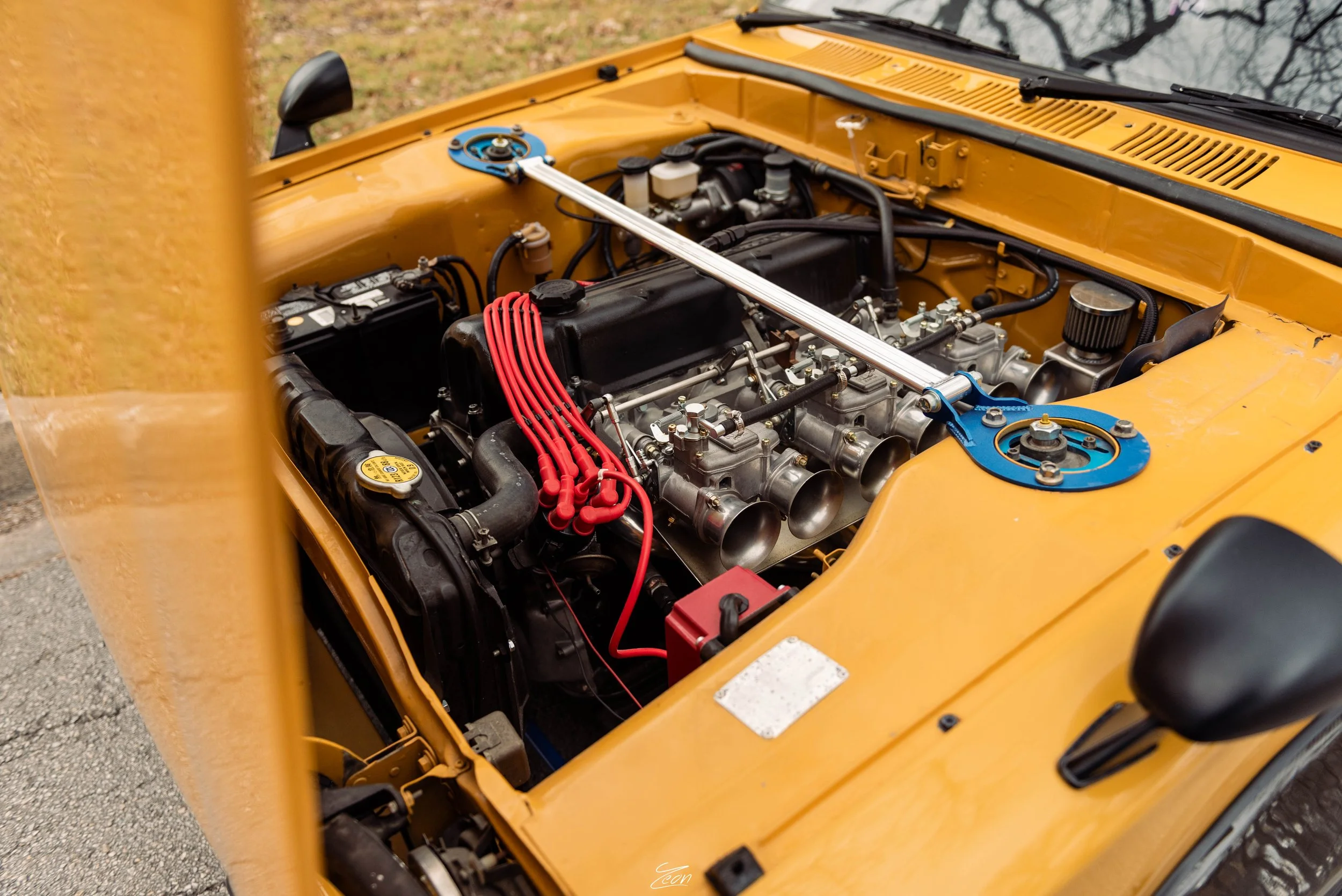
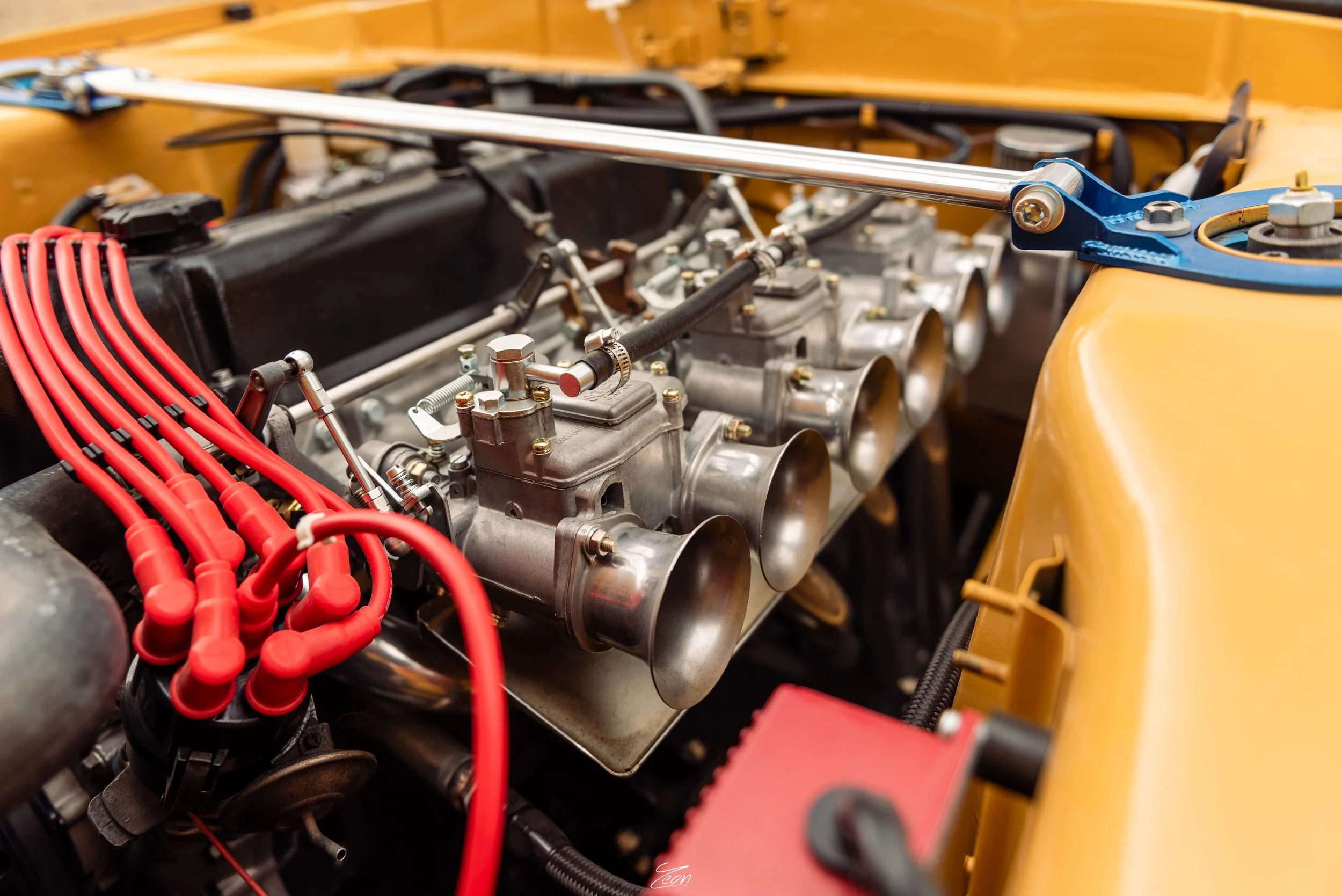
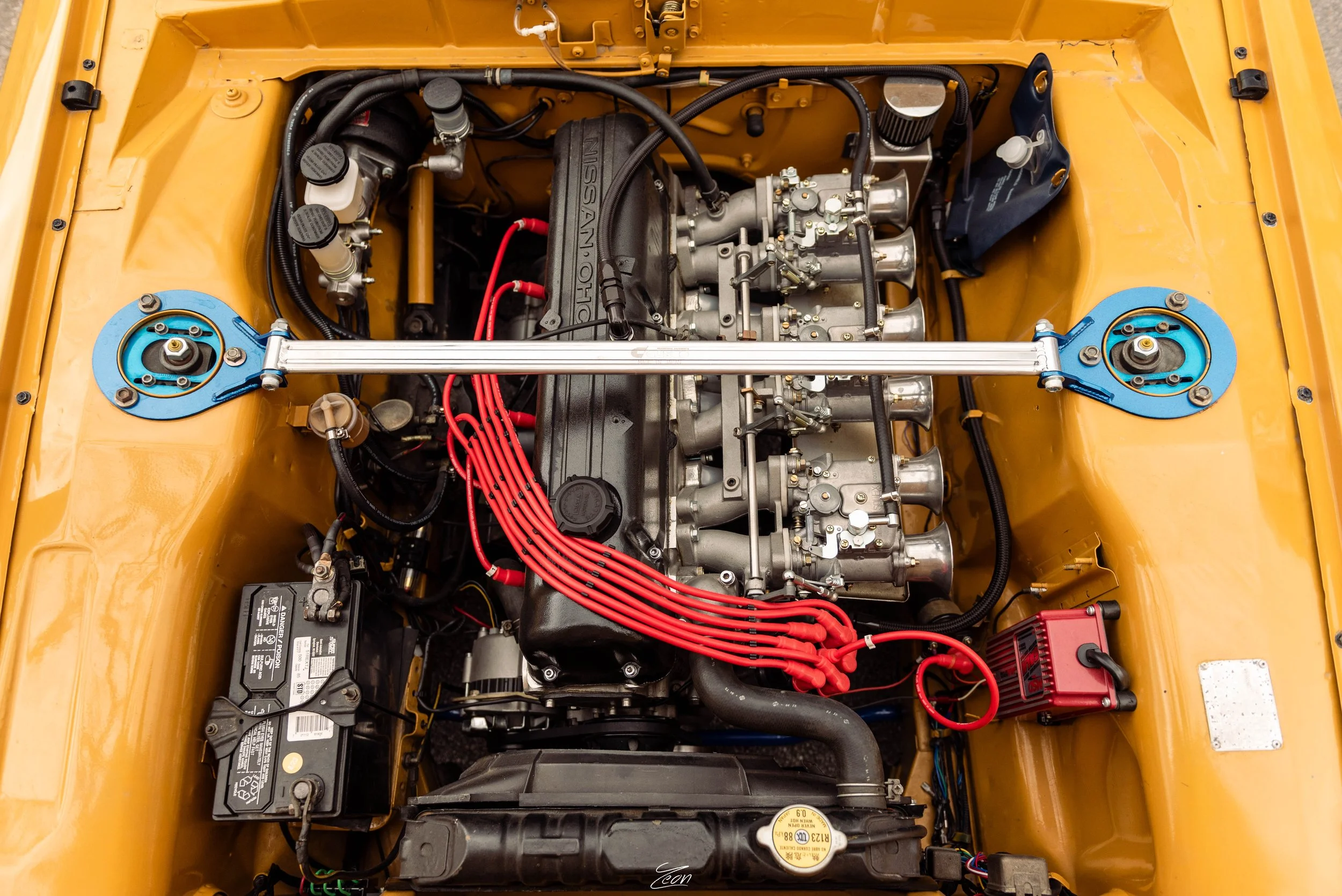
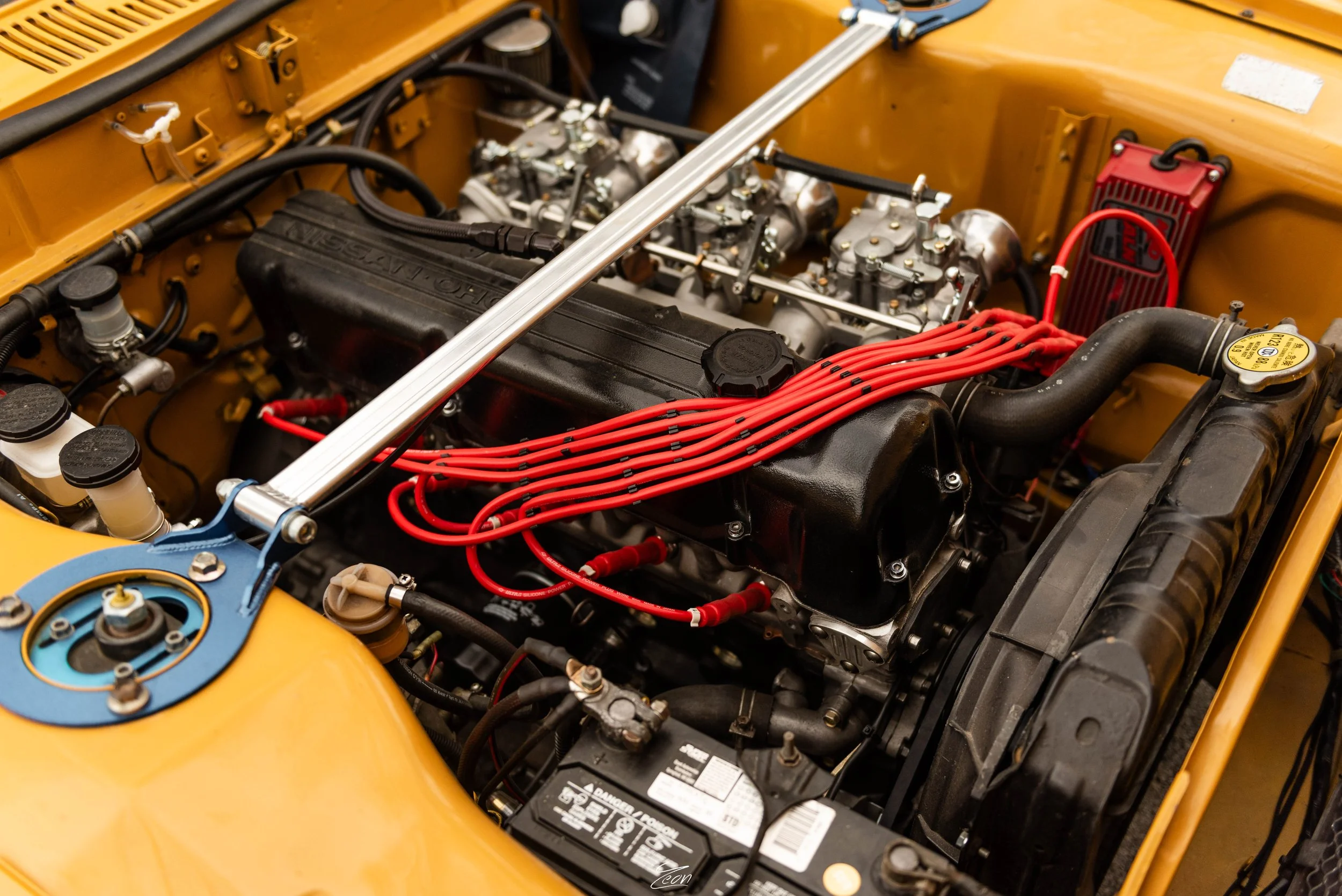
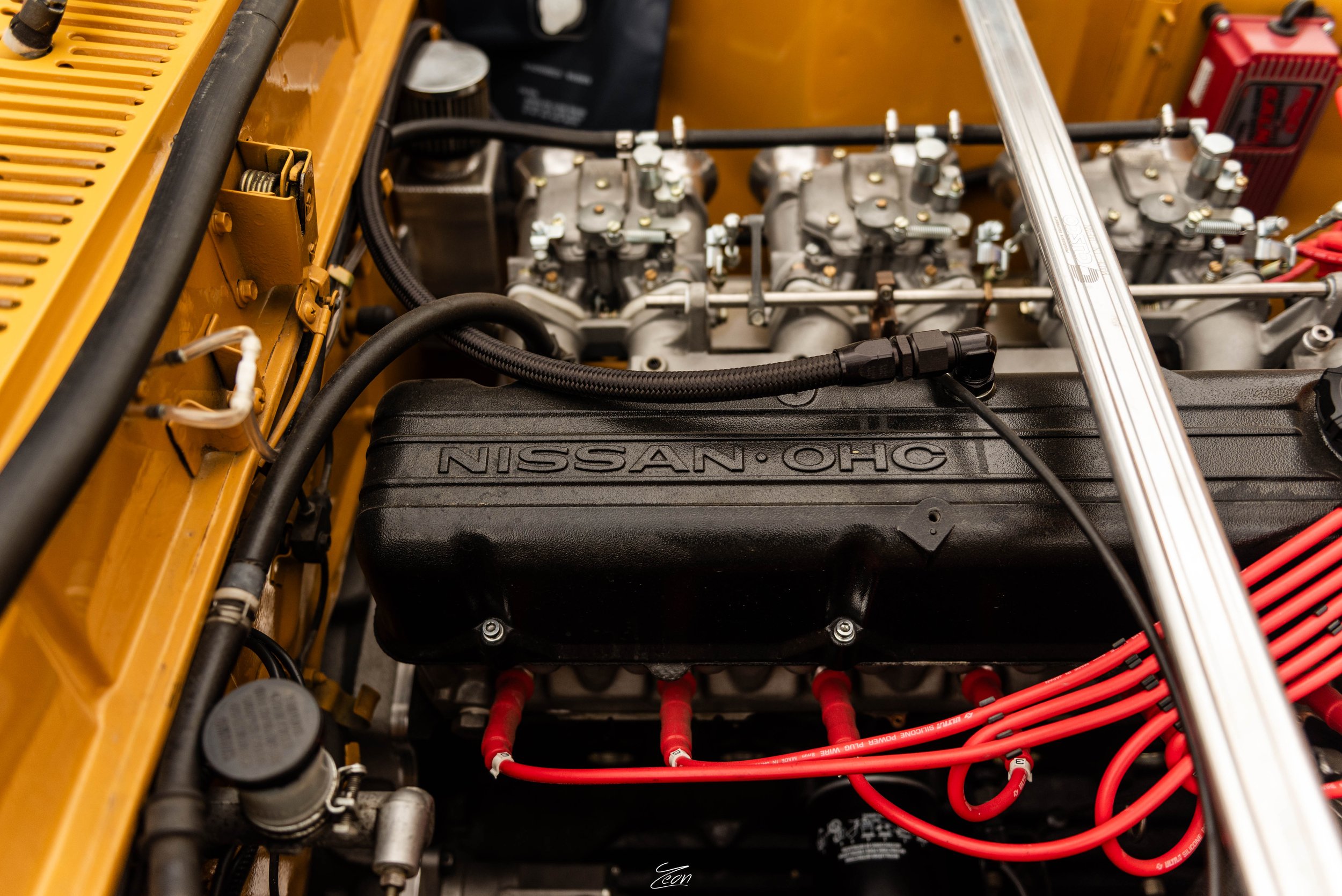
Rebello 3.0L L6 Stroker Engine
Schneider 294F Camshaft [Rebello Spec]
GRW/Datsunworks TL70 6-Speed Conversion Kit for the Early Skyline
Triple Mikuni DCOE Carburetors
Z Car Garage Rear CV Axle Conversion Kit
Ceramic Coated 6-2 Header
2.5” Stainless Steel Exhaust System
INTERIOR & EXTERIOR SPECS
Recaro LSC Racing Seats
Bride Adjustable Seat Brackets w/ Sliding Rails
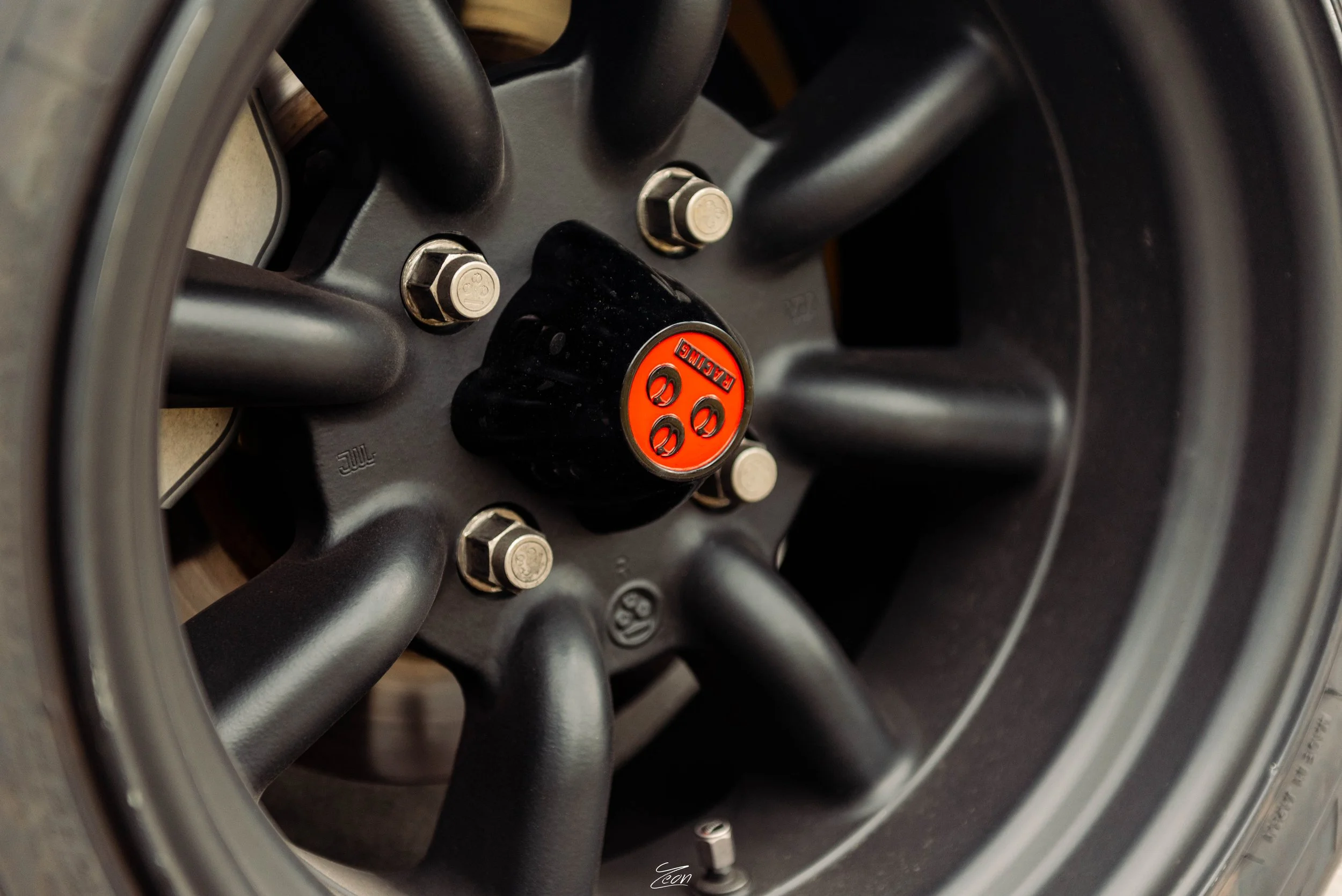
Watanabe 15x7 Front / 15x8 Rear Wheels
Toyo Proxes R888R Tires [225/45/15 F / 235/50/15 R]
Carbon Fiber Front Lower Valance
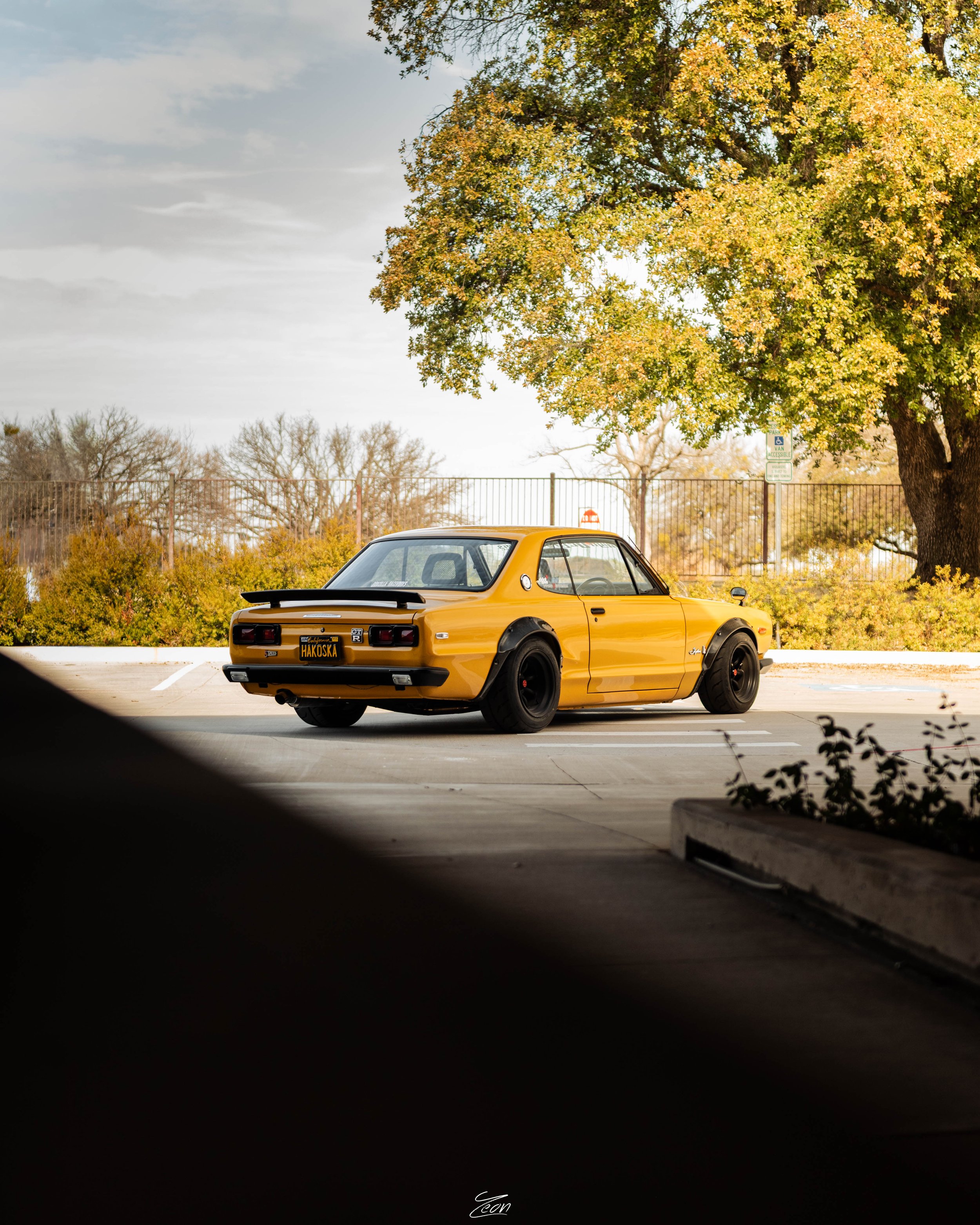
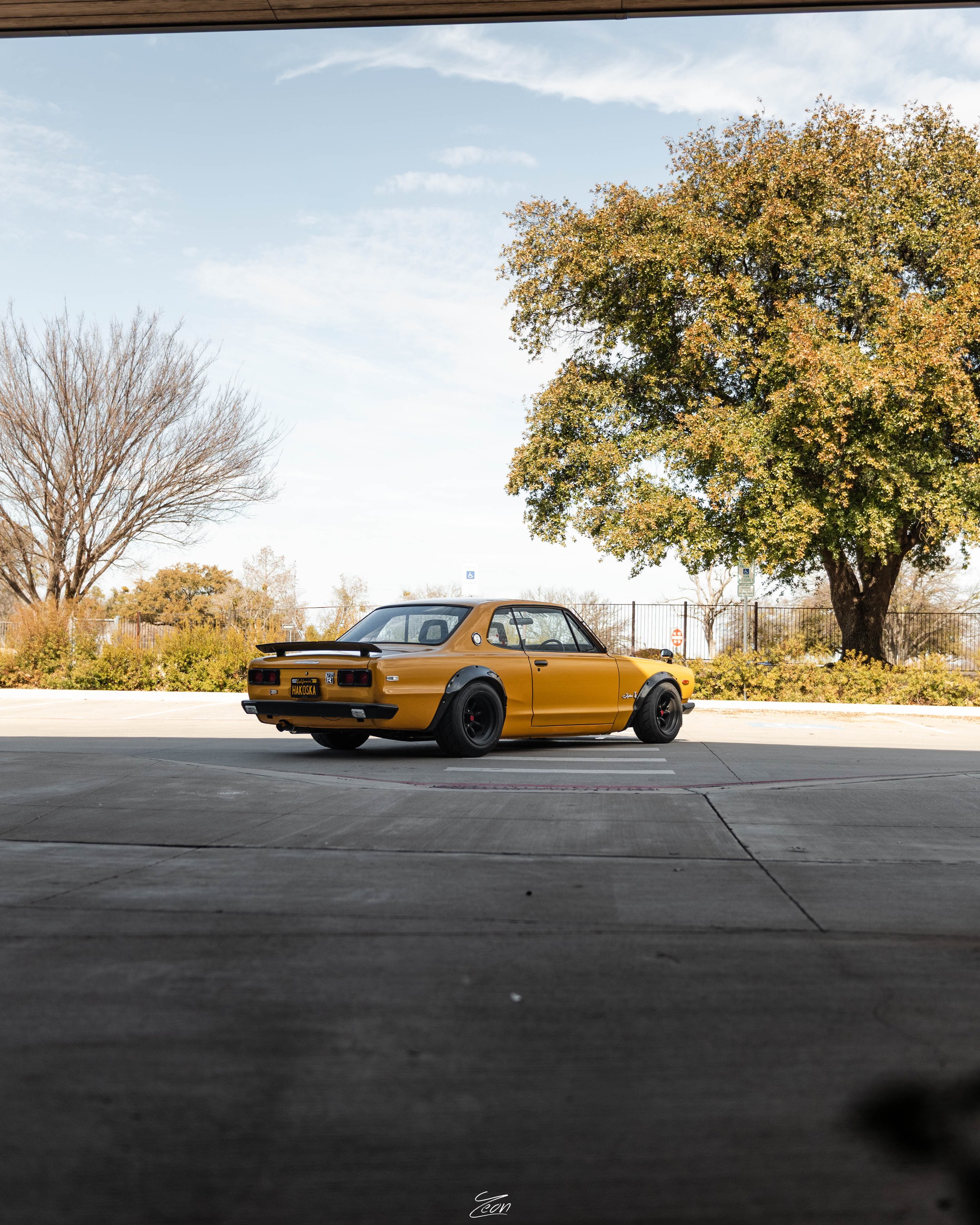
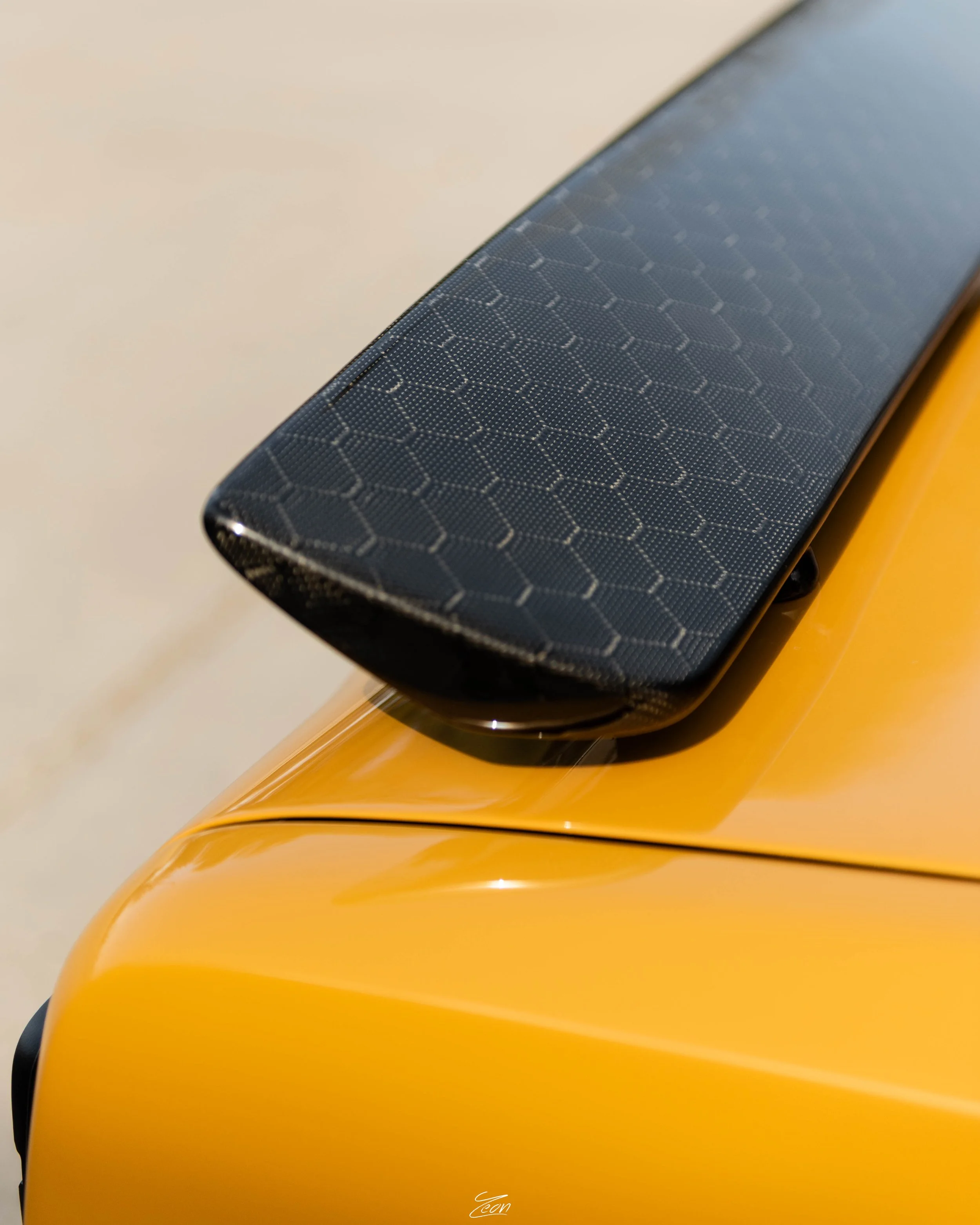
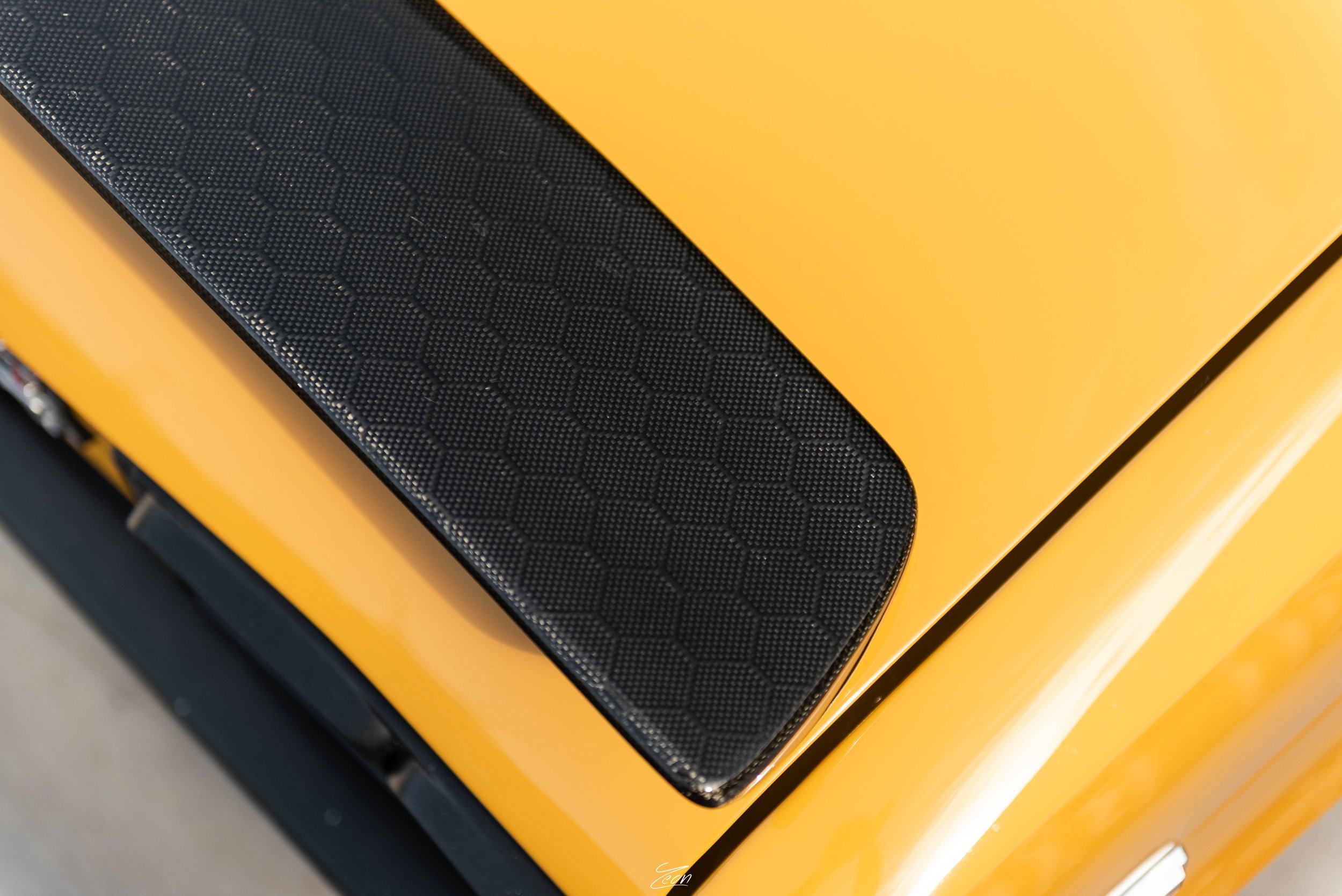
Honeycomb Carbon Fiber Rear Wing
Carbon Fiber Fender Flares
Techno Toy Tuning Wilwood Front Big Brake Kit
Techno Toy Tuning Wilwood Rear Big Brake Kit
Coilover Kit
Upgraded Front and Rear Sway Bars
Cusco Front Strut Bar
Cusco Front Pillow Ball Camber Plates
LED Low and High Beam Headlamps